

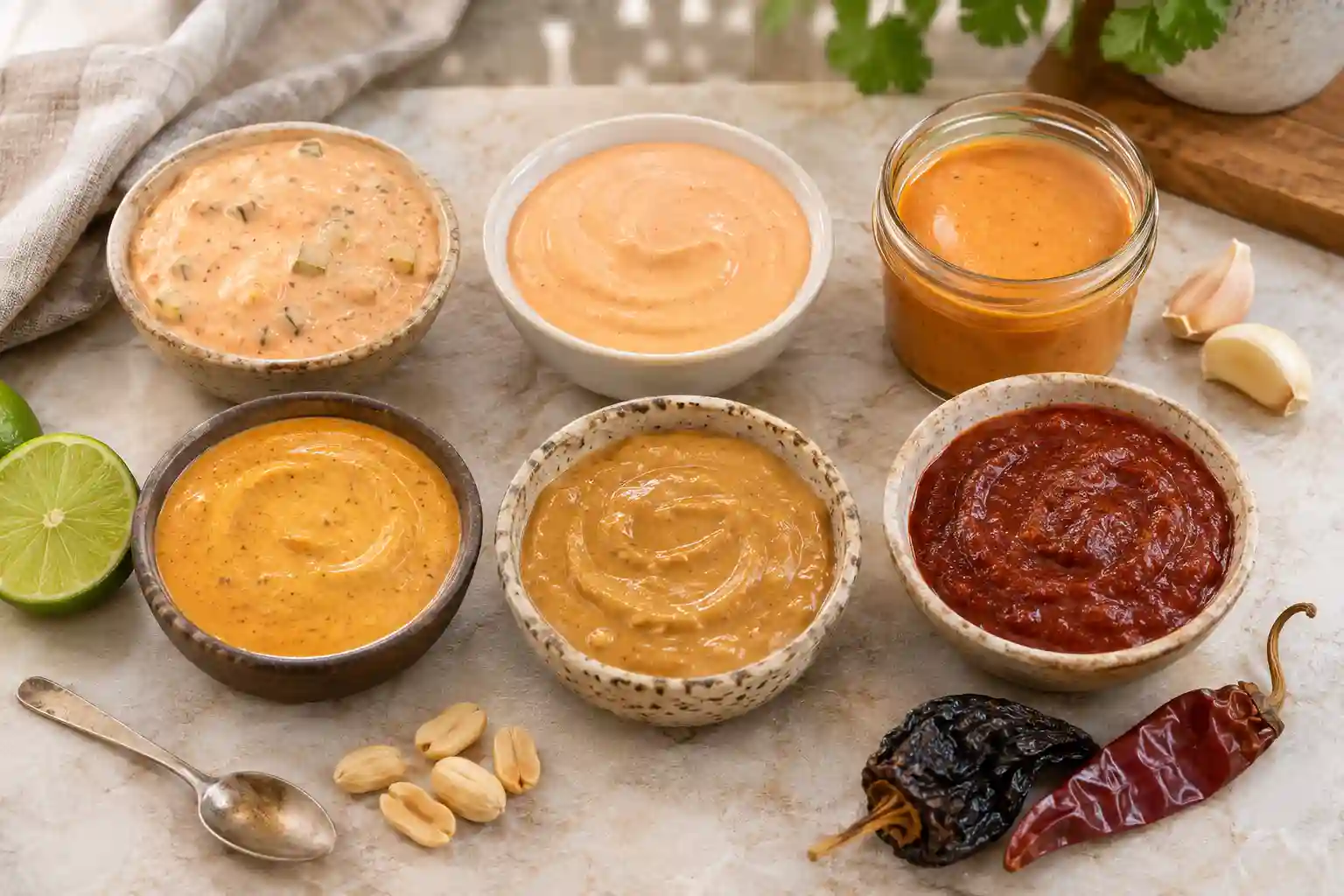
Homemade sauce recipes bring variety to everyday meals, from creamy dips for burgers and fries to savory sauces for noodles, grilled dishes, and marinades. Whether you prefer a mayonnaise-based sauce, a peanut dressing, or a chile-based blend, each option offers different ingredients, textures, and uses.
This guide explores homemade sauces, including burger sauce, yum yum sauce, peanut sauce, adobo sauce, tram sauce, and Warlockian sauce. Discover how they compare, what to serve them with, and which recipe suits your next meal.
Key Takeaways
- Choose by use: Creamy sauces work well for dipping and spreading, while thinner sauces can be useful for drizzling or coating food.
- Different bases: The collection includes mayonnaise-based sauces, a peanut butter sauce, and a dried-chile adobo sauce.
- Preparation varies: Some sauces are mixed without cooking, while others require additional steps, such as preparing dried chiles.
- Explore the recipes: Compare ingredients and serving ideas before choosing a sauce, then follow its dedicated recipe for complete instructions.
How to Choose the Right Homemade Sauce
The right homemade sauce depends on what you’re serving, the consistency you need, and the flavors you want to add. A thick, creamy sauce may be better for spreading on burgers, while a thinner sauce can be easier to drizzle over noodles or vegetables.
When choosing a sauce, consider three things:
- What you’re serving: Burger sauce and yum yum sauce suit dipping and spreading, while peanut sauce can be adjusted for noodles, dipping, or drizzling. Adobo sauce offers a chile-based option for marinades and savory dishes.
- The main ingredients: Mayonnaise creates a creamy base, peanut butter adds body to peanut sauce, and dried ancho and guajillo chiles form the foundation of the adobo recipe.
- The preparation method: Some sauces require only mixing and chilling. Others, such as adobo, involve preparing dried chiles and blending ingredients.
If you’re looking for a dipping sauce, start with the consistency you prefer. For marinades or sauces used in cooking, consider how the ingredients and preparation method fit your dish.
Homemade Sauce Recipes by Type
Homemade sauce recipes can be grouped by their main ingredients and how they’re used. Some are creamy condiments for dipping and spreading, while others are better suited to noodles, marinades, or cooked dishes. The following recipes offer different ways to bring those flavors to your table.
Creamy and Mayo-Based Sauces
Mayonnaise-based sauces are useful when you want a smooth, spreadable condiment. Their flavors can vary depending on the acidity, sweetness, spices, and other ingredients added to the base.
Burger Sauce

This homemade burger sauce recipe combines mayonnaise, ketchup, yellow mustard, sweet pickle relish, pickle juice, and Worcestershire sauce with simple seasonings. Its creamy consistency makes it suitable for spreading on burgers or serving alongside fries and onion rings.
Yum Yum Sauce
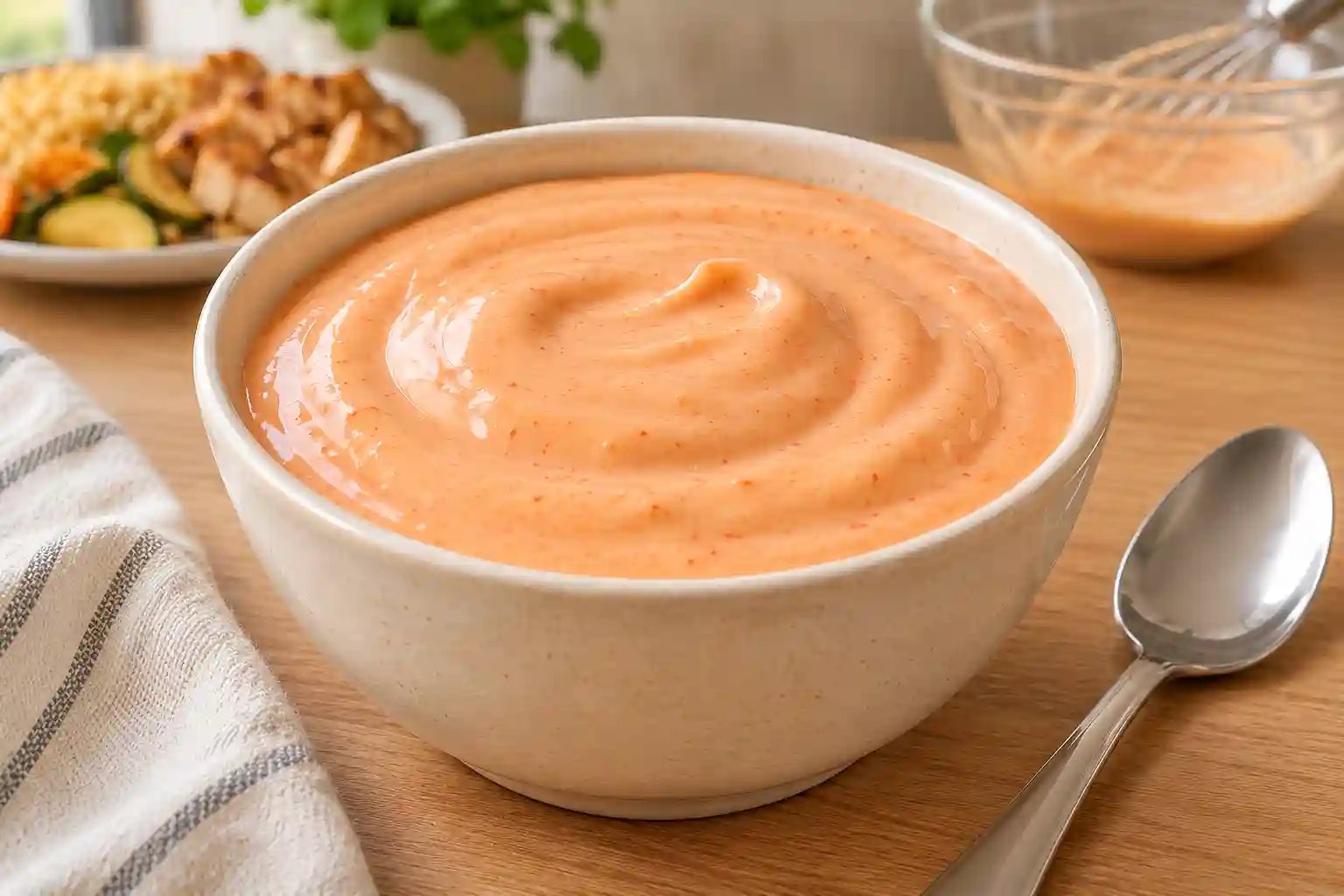
Inspired by Japanese-American hibachi-style dipping sauces, this yum yum sauce recipe uses mayonnaise, ketchup, rice vinegar, paprika, and garlic powder. It works as a dipping sauce for shrimp, chicken, and vegetables or as an accompaniment to fried rice.
Tram Sauce
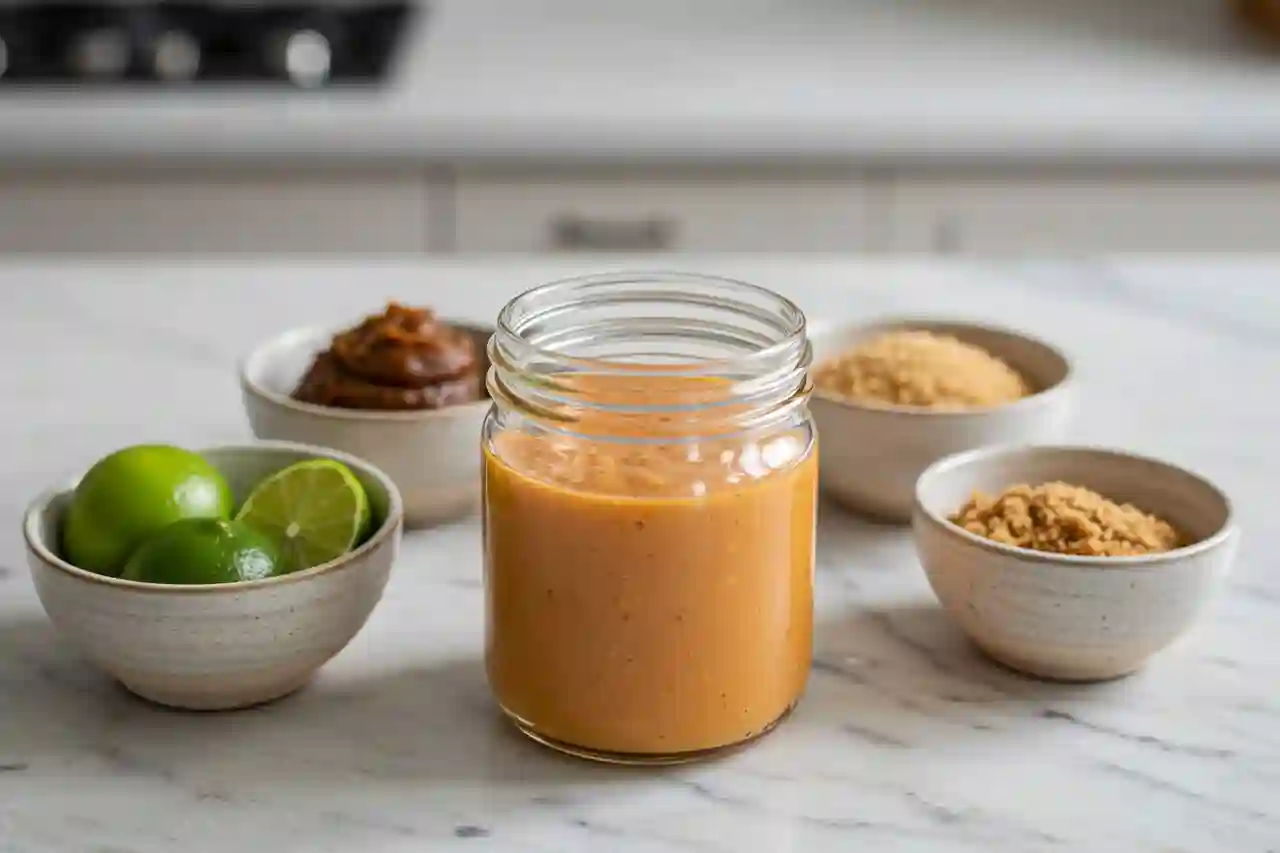
For a different balance of flavors, this tram sauce recipe combines tamarind paste, mayonnaise, chili garlic sauce, soy sauce, brown sugar, and lime juice. The combination brings together tangy, sweet, and spicy elements, making it an option for fries, sandwiches, or grilled foods.
Warlockian Sauce

This Warlockian sauce recipe uses mayonnaise, ketchup, honey, lemon juice, garlic, and smoked paprika, with optional chili flakes. It offers a sweet, tangy, and smoky flavor profile that can complement sandwiches, roasted potatoes, or other foods served with a creamy dip.
Peanut-Based Sauces
Peanut-based sauces have a different foundation from mayonnaise-based condiments. Peanut butter provides body, while additional liquid helps adjust the consistency for different dishes.
Peanut Sauce
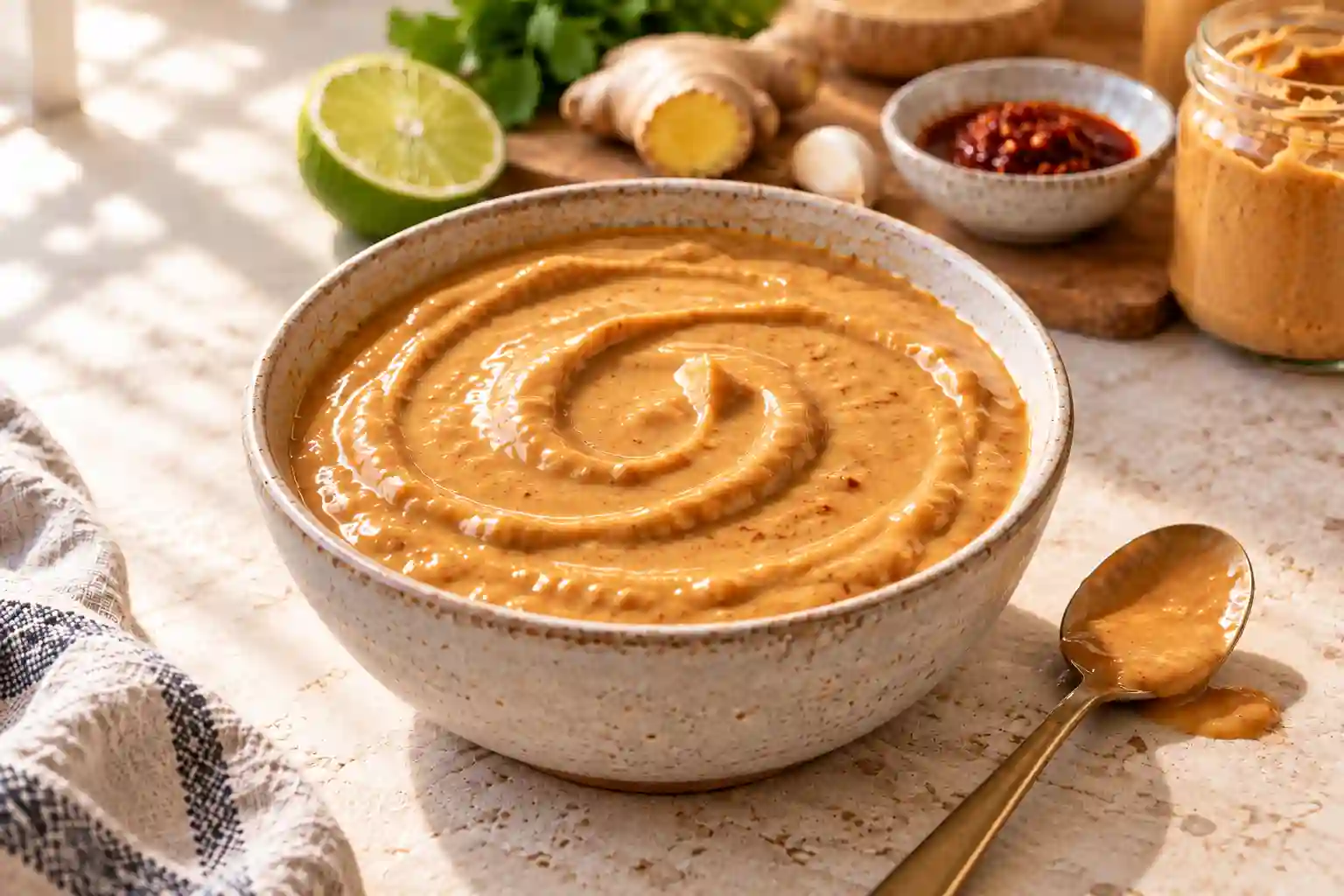
This peanut sauce recipe combines creamy peanut butter with soy sauce, lime juice, rice vinegar, ginger, garlic, chili garlic sauce, and toasted sesame oil. Warm water is added gradually to adjust the texture, allowing the sauce to be served as a thicker dip for spring rolls or a looser sauce for noodles and vegetables.
Chile-Based Sauces
Chile-based sauces offer a savory, spiced alternative to creamy dipping sauces. Their preparation may involve toasting, soaking, and blending dried chiles rather than simply whisking ingredients together.
Adobo Sauce
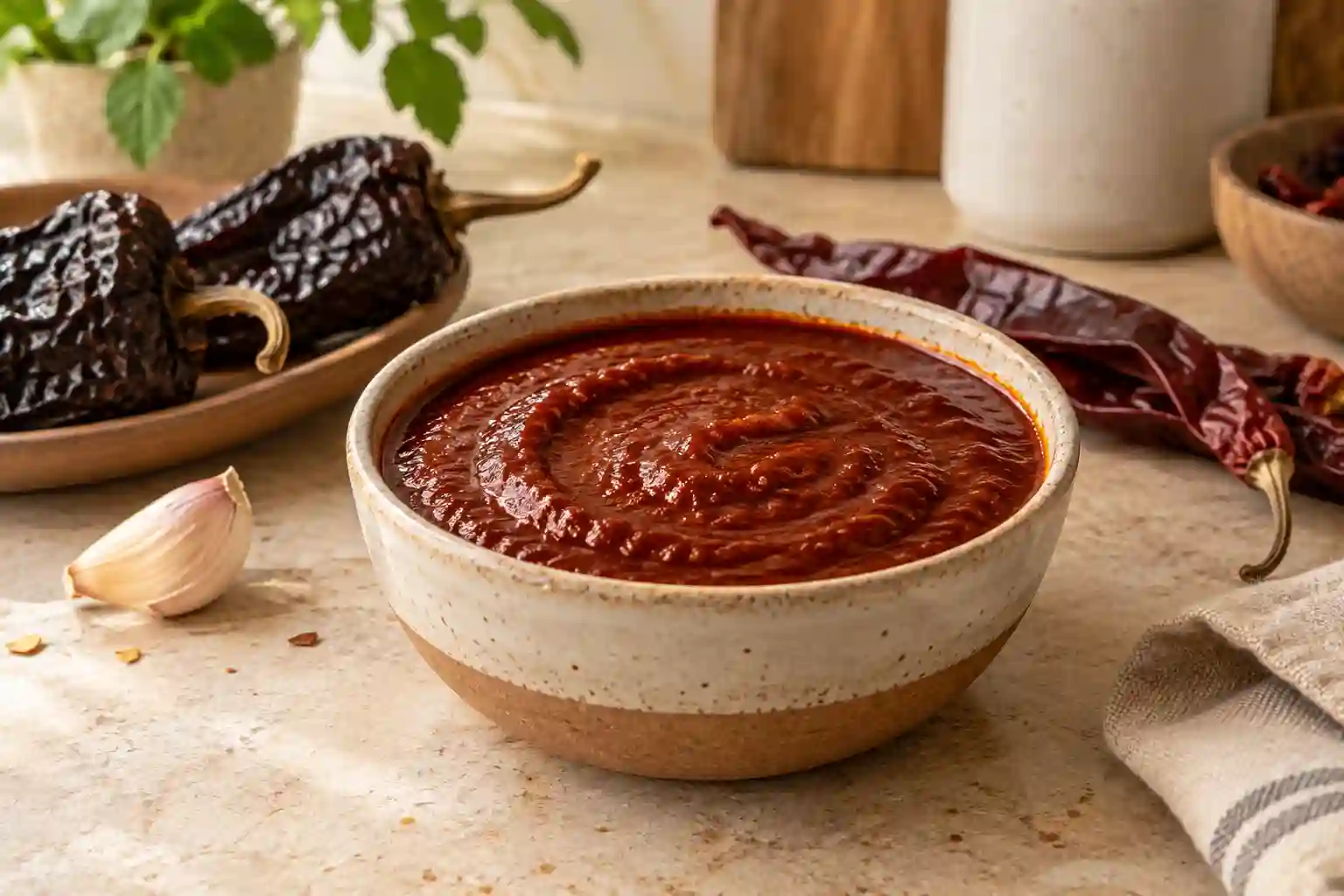
This Mexican-style adobo sauce recipe uses dried ancho and guajillo chiles, garlic, onion, vinegar, and warm spices. The chiles are prepared and blended into a sauce that can be used in marinades, tacos, enchiladas, beans, and braised dishes. Unlike the mayonnaise-based options above, this recipe involves several preparation steps.
Sauce Comparison: Ingredients and Uses
Although several homemade sauces share similar ingredients, their bases, seasonings, and preparation methods make them suitable for different dishes. This comparison highlights what distinguishes each sauce and helps you choose an option based on your meal.
| Sauce | Main Ingredients | Flavor Profile | Suggested Uses |
|---|---|---|---|
| Burger Sauce | Mayonnaise, ketchup, mustard, pickle relish | Creamy, tangy, slightly sweet | Burgers, fries, onion rings |
| Yum Yum Sauce | Mayonnaise, ketchup, rice vinegar, paprika | Creamy, mildly sweet, tangy | Shrimp, chicken, vegetables, fried rice |
| Tram Sauce | Tamarind, mayonnaise, chili garlic sauce, lime | Tangy, sweet, spicy | Fries, sandwiches, grilled foods |
| Warlockian Sauce | Mayonnaise, ketchup, honey, smoked paprika | Creamy, sweet, smoky | Sandwiches, roasted potatoes, dipping |
| Peanut Sauce | Peanut butter, soy sauce, lime, ginger | Nutty, savory, tangy | Spring rolls, noodles, vegetables |
| Adobo Sauce | Ancho and guajillo chiles, vinegar, garlic | Chile-forward, savory, warmly spiced | Marinades, tacos, enchiladas, braised dishes |
For a creamy spread or dip, burger sauce and yum yum sauce are practical starting points. Peanut sauce offers an adjustable consistency for dipping or coating noodles, while adobo provides a chile-based alternative for marinades and cooked dishes. Tram sauce and Warlockian sauce add distinct sweet, tangy, or smoky elements to everyday meals.
Practical Tips for Homemade Sauces
Making homemade sauces is often straightforward, but small details can affect their consistency and flavor balance. The preparation method depends on the sauce, so these tips are most useful when adapted to the ingredients you’re working with.
- Adjust the consistency gradually. For peanut sauce, add warm water a little at a time until it reaches the desired thickness. Burger sauce can be thinned with small amounts of pickle juice, while tram sauce can be adjusted with water.
- Balance flavors before serving. Taste the finished sauce and consider whether it needs more acidity, sweetness, or heat. Lime juice, vinegar, and chili-based ingredients play different roles, so follow the adjustments suggested in the individual recipe.
- Prepare dried chiles carefully. Unlike no-cook dipping sauces, adobo requires additional preparation. Follow the recipe’s instructions for toasting, rehydrating, and blending the chiles to achieve the intended consistency.
- Allow for chilling when specified. Some mayonnaise-based sauces include a refrigeration period before serving. Follow the resting instructions in the individual recipe rather than assuming every sauce needs the same amount of time.
- Consider how the sauce will be served. Keep spreads thick enough for sandwiches, adjust dipping sauces for easy scooping, and use a looser consistency when a recipe calls for drizzling or coating noodles.
These adjustments can help you prepare a sauce that suits your dish without changing its basic recipe.
Storage and Make-Ahead Tips
Homemade sauces need proper storage to maintain their quality and reduce food safety risks. Refrigeration is especially important for mayonnaise-based sauces and preparations containing fresh ingredients.
- Refrigerate promptly. Keep perishable sauces at 40°F (4°C) or below. According to the FDA’s food storage guidelines, foods requiring refrigeration should not remain at room temperature for more than two hours, or one hour when temperatures exceed 90°F (32°C).
- Use clean, covered containers. Store sauces in clean containers with tight-fitting lids. For cooked sauces such as adobo, divide larger batches into smaller, shallow containers to help them cool promptly.
- Prepare ahead when appropriate. Burger sauce and yum yum sauce include chilling periods before serving. Peanut sauce can also be made ahead, although it may thicken in the refrigerator. Stir it before serving and adjust the consistency with a little warm water if needed.
- Freeze when suitable. The adobo recipe includes instructions for freezing portions in freezer-safe containers. Thaw frozen sauce in the refrigerator before using it.
- Follow recipe-specific storage guidance. Storage times vary depending on ingredients, preparation, and handling. Avoid assuming that all homemade sauces will keep for the same number of days.
If a sauce develops mold or shows signs of spoilage, discard it. Keep in mind that harmful bacteria do not always cause noticeable changes in appearance, smell, or taste.
Frequently Asked Questions
Here are answers to common questions about making homemade sauces and choosing the right ingredients.
How do I make a sauce from scratch?
Choose a base such as tomatoes, mayonnaise, or yogurt. Add seasonings and aromatics, then mix, blend, or cook as needed. Adjust the flavor and consistency before serving.
What are the primary ingredients in a sauce?
Sauces typically combine a base, such as tomatoes, dairy, oil, or broth, with flavoring ingredients like herbs, spices, garlic, or vinegar. The exact combination depends on the sauce.
What is the simplest sauce to make?
A no-cook sauce is among the simplest options. Try mixing plain yogurt with lemon juice and herbs, or prepare a basic vinaigrette using oil, vinegar, and seasonings.
What are some good sauces to make at home?
Popular options include creamy dipping sauces, tomato-based pasta sauces, peanut sauces, herb sauces, and chile-based marinades. Choose according to your meal, preferred flavors, and available ingredients.
Final Thoughts
Homemade sauce recipes offer a variety of ways to complement everyday meals, from creamy dips to savory marinades and pasta sauces. Explore the different sauce styles in this guide, consider their ingredients and uses, and choose a recipe that suits your cooking needs. Each recipe provides detailed instructions to help you prepare your sauce at home.