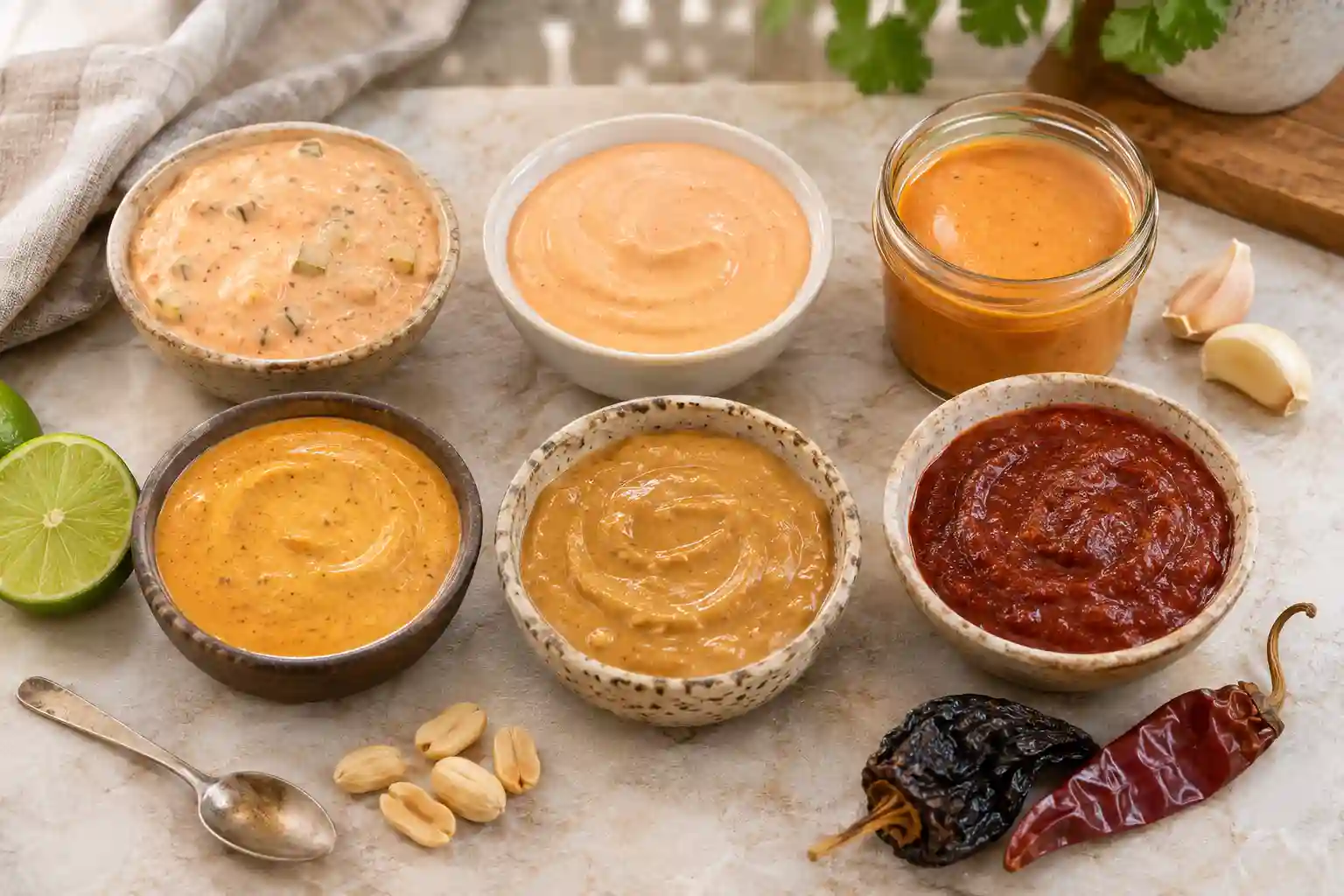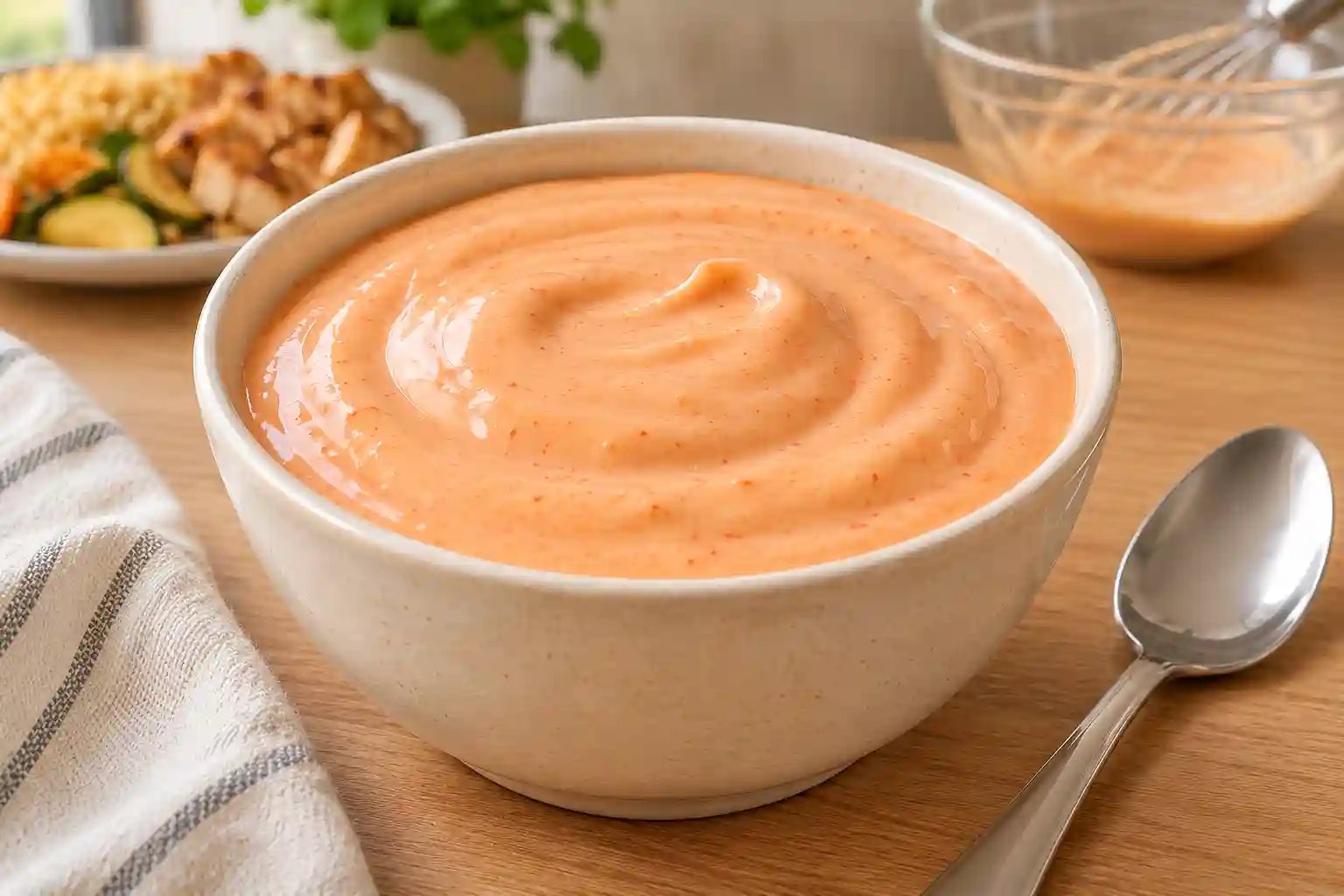

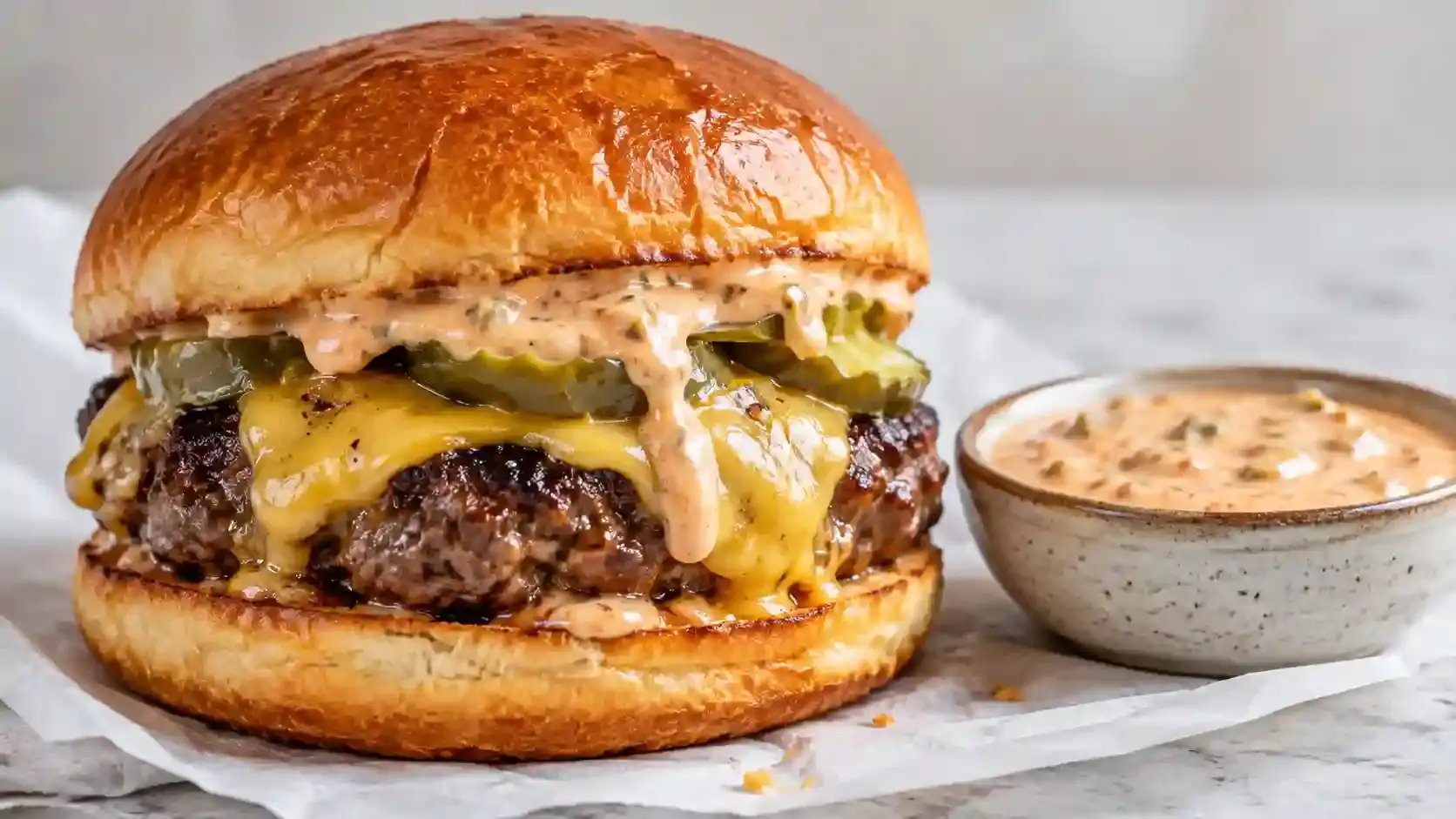
Burger sauce is a creamy, tangy, slightly sweet condiment made with mayonnaise, ketchup, mustard, pickles, and savory seasonings. This burger sauce recipe takes about 5 minutes to mix and makes about 3/4 cup, with a 30-minute chill before serving to let the ingredients come together.
The mayonnaise creates the creamy base, while ketchup and sweet pickle relish add sweetness. Yellow mustard and pickle juice bring acidity, Worcestershire sauce adds savory depth, and garlic powder, onion powder, smoked paprika, and black pepper round out the flavor.
You can also adjust the sauce before serving. If it tastes too sweet, add a little more pickle juice or mustard. If it is too tangy, mix in 1–2 teaspoons of mayonnaise. For more heat, add 1/2 teaspoon of hot sauce.
Burger Sauce at a Glance
- Prep time: 5 minutes
- Resting time: 30 minutes
- Yield: About 3/4 cup
- Base: Mayonnaise, ketchup, yellow mustard, and sweet pickle relish
- Flavor: Creamy, tangy, savory, and slightly sweet
- Best for: Burgers, smash burgers, fries, sandwiches, and dipping
- Cooking required: No
What Is Burger Sauce?
Burger sauce is a creamy condiment typically built around mayonnaise, ketchup, mustard, and a pickle component such as relish or chopped pickles. The exact formula varies, but the goal is usually a balance of creaminess, sweetness, acidity, pickle flavor, and savory seasoning.
In this recipe, mayonnaise provides most of the body, while ketchup and sweet pickle relish add sweetness. Yellow mustard and pickle juice bring tang, Worcestershire sauce contributes savory depth, and garlic powder, onion powder, smoked paprika, and black pepper complete the seasoning.
Because there is no single universal formula, homemade burger sauce can be adjusted depending on how sweet, tangy, spicy, smooth, or pickle-forward you want it to be. If you enjoy making condiments from scratch, you can also explore our homemade sauce recipes.
Burger Sauce vs. Special Sauce
“Special sauce” is a broad name rather than one fixed recipe. Many versions use the same general ingredients found in burger sauce, including mayonnaise, ketchup or another tomato-based ingredient, mustard, pickles, and seasonings.
The main difference is usually the recipe itself rather than a strict definition. A restaurant or home cook may call its own burger condiment “special sauce” even when the ingredient balance is different.
For this article, burger sauce refers specifically to the homemade mayonnaise-based recipe given here.
Burger Sauce vs. Big Mac Sauce
Burger sauce and Big Mac sauce are related in style, but they should not automatically be treated as the same sauce.Homemade burger sauces vary widely in their ratios and seasonings, while Big Mac sauce is a specific McDonald’s branded condiment. McDonald’s provides its own Big Mac sauce information for readers who want details about the branded version.
This recipe is not presented as a McDonald’s copycat or as an authentic Big Mac sauce.. Homemade burger sauces can vary widely in their ratios and seasonings, while Big Mac sauce refers to a specific branded McDonald’s condiment.
This recipe is not presented as a McDonald’s copycat or as an authentic Big Mac sauce. Its purpose is to create a balanced homemade sauce for burgers and smash burgers using the ingredients listed in the recipe.
Burger Sauce vs. Fry Sauce
Fry sauce is usually a simpler mayonnaise-and-ketchup-style condiment, while burger sauce often includes additional ingredients such as mustard, pickles, pickle juice, Worcestershire sauce, and seasonings.
That extra acidity, pickle flavor, and seasoning can make burger sauce more complex than a basic fry sauce, although recipes for both can overlap.
| Sauce | Typical Base | Pickle Component | Mustard | General Flavor |
|---|---|---|---|---|
| Burger sauce | Mayonnaise + ketchup | Common | Common | Creamy, tangy, savory, slightly sweet |
| Special sauce | Varies | Often | Often | Depends on the recipe |
| Big Mac sauce | Branded formula | Part of the branded preparation | Part of the branded preparation | Distinct branded profile |
| Fry sauce | Mayonnaise + ketchup | Not always | Not always | Creamy and mildly tangy |
Burger Sauce recipe Ingredients and What Each One Does
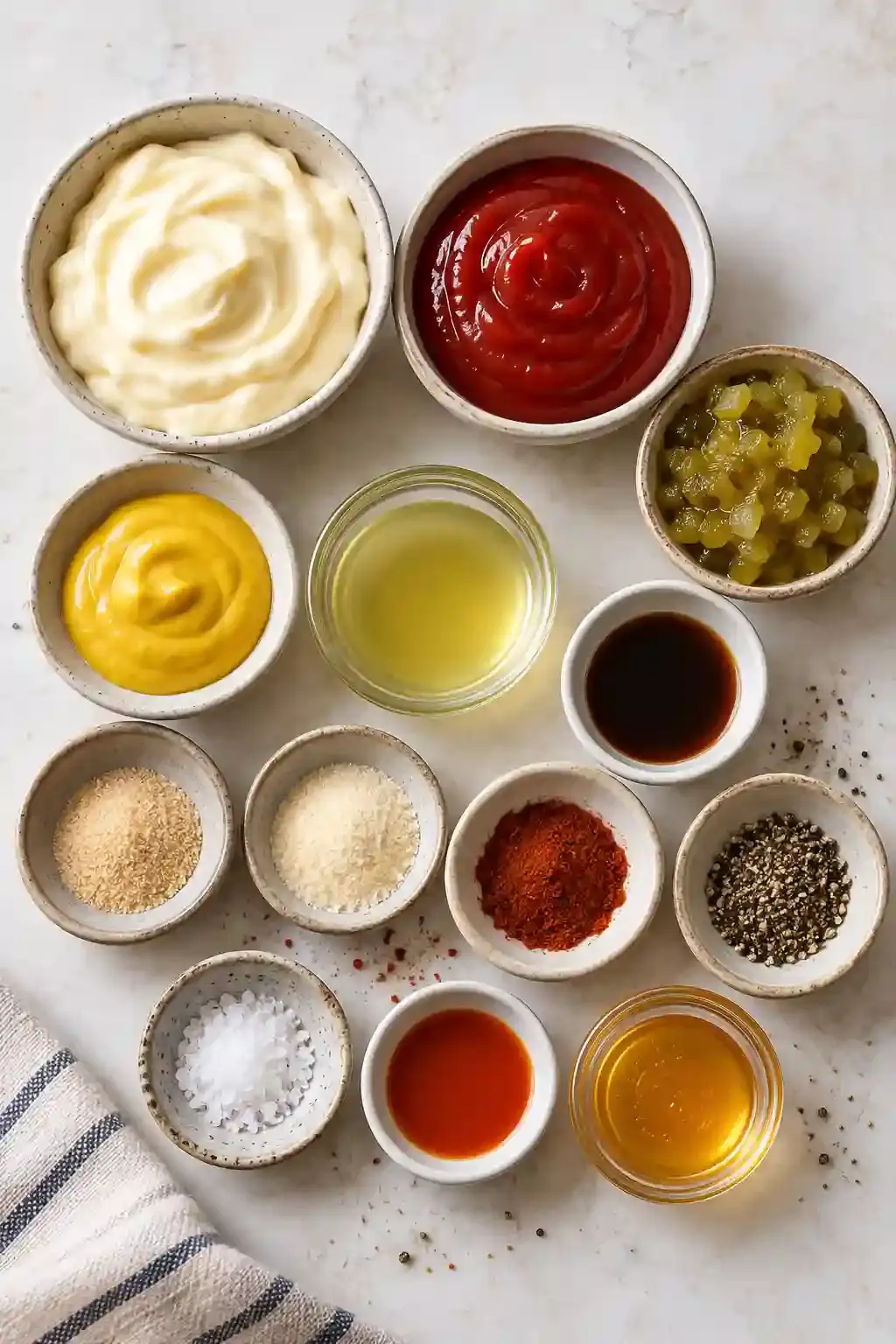
This burger sauce uses familiar condiments and seasonings, but each ingredient has a different job. Keeping the balance between the creamy base, sweetness, acidity, pickle flavor, and savory seasoning helps prevent the sauce from tasting too sweet, too sharp, or too heavy.
Mayonnaise
Mayonnaise is the main base of the sauce and gives it its creamy texture and body.
Use 1/2 cup (120 g) mayonnaise. Because it makes up most of the mixture, it also helps soften the sharper flavors from mustard, pickle juice, and Worcestershire sauce.
If the finished sauce tastes too tangy, adding 1–2 teaspoons of mayonnaise is an easy way to mellow it without changing the overall flavor too much.
Ketchup
Ketchup adds tomato flavor, sweetness, color, and some acidity.
This recipe uses 2 tablespoons ketchup, enough to give the sauce a familiar burger-sauce flavor without making it overly tomato-forward.
Ketchup also contributes sweetness, so it is worth tasting the sauce before adding the optional sugar or honey.
Sweet Pickle Relish
Sweet pickle relish adds pickle flavor, sweetness, and small pieces of texture throughout the sauce.
Use 1 tablespoon sweet pickle relish. It makes the sauce slightly more textured than a completely smooth condiment and adds another layer of sweetness alongside the ketchup.
If you prefer a less-sweet sauce, dill relish or finely chopped dill pickles can be alternatives, but they will change the final flavor rather than produce an identical result.
Yellow Mustard
Yellow mustard adds tang and a mild sharpness that helps balance the mayonnaise and ketchup.
Use 1 teaspoon yellow mustard. Its flavor is relatively mild, which works well in a classic burger sauce without dominating the other ingredients.
Dijon mustard can create a sharper, more pronounced mustard flavor, so it should be treated as a variation rather than an exact flavor match.
Pickle Juice
Pickle juice adds acidity and extra pickle flavor while also loosening the sauce slightly.
This recipe uses 1 teaspoon pickle juice. It is especially useful when the sauce tastes too sweet or when you want a slightly thinner consistency.
Because pickle juice can vary in saltiness and acidity from one jar to another, taste the sauce before adding extra salt.
Worcestershire Sauce
Worcestershire sauce adds savory depth and helps the sauce taste less one-dimensional.
Use 1 teaspoon Worcestershire sauce. The amount is small, but it adds another savory layer behind the mayonnaise, ketchup, mustard, and pickles.
Some Worcestershire sauces contain fish, so check the product label if that is relevant to your dietary needs.
Garlic Powder
Garlic powder adds a mild savory garlic note without introducing fresh garlic pieces or extra moisture.
Use 1/2 teaspoon garlic powder. It blends easily into the creamy base and helps support the other seasonings without making the sauce chunky.
Onion Powder
Onion powder adds another savory background flavor and complements the garlic powder.
Use 1/2 teaspoon onion powder. Because it dissolves into the sauce, it provides onion flavor while keeping the texture smooth apart from the relish.
Smoked Paprika
Smoked paprika adds color and a subtle smoky note.
Use 1/4 teaspoon smoked paprika. The quantity is small enough to support the sauce rather than turn it into a heavily smoked condiment.
Regular paprika can be used when you want less smoky character, although the final flavor will be slightly different.
Black Pepper
Freshly ground black pepper adds mild heat and a little extra complexity.
Use 1/8 teaspoon freshly ground black pepper. This amount keeps the pepper in the background instead of making it a dominant flavor.
Salt
Salt should be added only after tasting the finished sauce.
The ketchup, pickle juice, relish, Worcestershire sauce, and mayonnaise may already contribute enough salt, depending on the brands you use.
Start with no extra salt, then add only a small pinch if the sauce tastes flat.
Optional Hot Sauce
For a spicy burger sauce, add 1/2 teaspoon hot sauce.
This keeps the base recipe mild while giving you a simple way to increase the heat without changing the structure of the sauce.
Optional Sugar or Honey
Add up to 1/2 teaspoon sugar or honey only if you prefer a sweeter sauce.
Because both ketchup and sweet pickle relish already contribute sweetness, this is optional rather than necessary. Taste the sauce first before deciding whether it needs more.
How to Make This Burger Sauce recipe
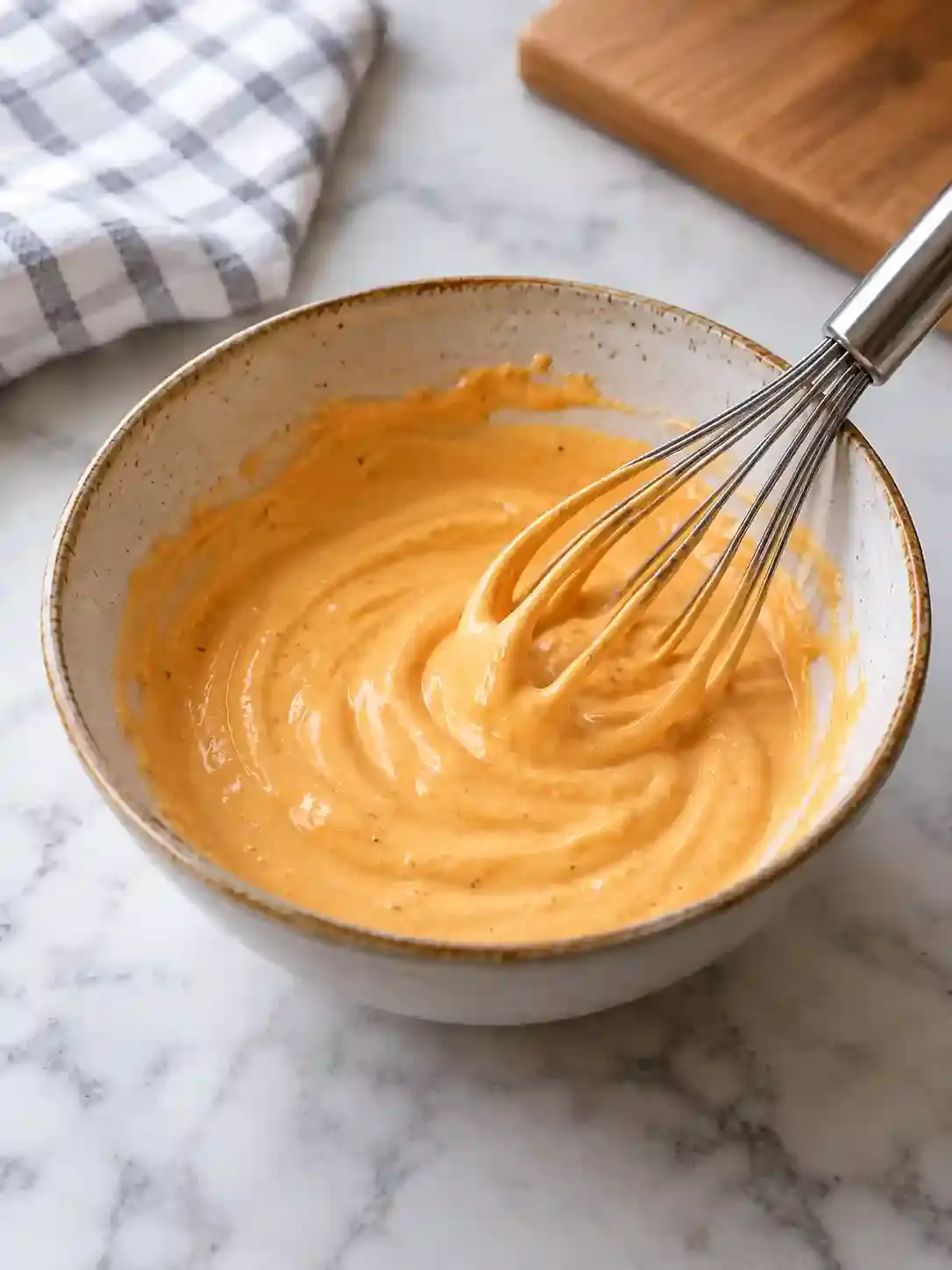
This burger sauce comes together in one bowl. Mix the creamy base first, add the pickle and savory ingredients, season, then taste and adjust before chilling.
Step 1 – Make the Creamy Base
Add 1/2 cup mayonnaise, 2 tablespoons ketchup, and 1 teaspoon yellow mustard to a small mixing bowl.
Whisk until the mixture is completely smooth and evenly combined.
Step 2 – Add the Pickle Flavor and Savory Depth
Add 1 tablespoon sweet pickle relish, 1 teaspoon pickle juice, and 1 teaspoon Worcestershire sauce.
Stir until the relish is evenly distributed throughout the sauce.
Step 3 – Season the Sauce
Add:
- 1/2 teaspoon garlic powder
- 1/2 teaspoon onion powder
- 1/4 teaspoon smoked paprika
- 1/8 teaspoon freshly ground black pepper
Whisk again until the seasonings are fully incorporated.
Step 4 – Taste and Adjust
Taste the burger sauce before adding extra salt, sugar, or honey.
Use these adjustments as needed:
- Too sweet: Add a little more pickle juice or mustard.
- Too tangy: Add 1–2 teaspoons mayonnaise.
- Too thick: Add pickle juice, 1/2 teaspoon at a time.
- Too thin: Add mayonnaise, 1 tablespoon at a time.
- Too mild: Add 1/2 teaspoon hot sauce.
- Not sweet enough: Add up to 1/2 teaspoon sugar or honey.
- Needs salt: Add only a small pinch after tasting.
These adjustments are especially useful because ketchup, relish, pickle juice, Worcestershire sauce, and mayonnaise can vary in sweetness, acidity, and saltiness from one brand to another.
Step 5 – Chill
Cover the sauce and refrigerate for at least 30 minutes before serving.
Stir and taste again before using, then make any final seasoning adjustments.
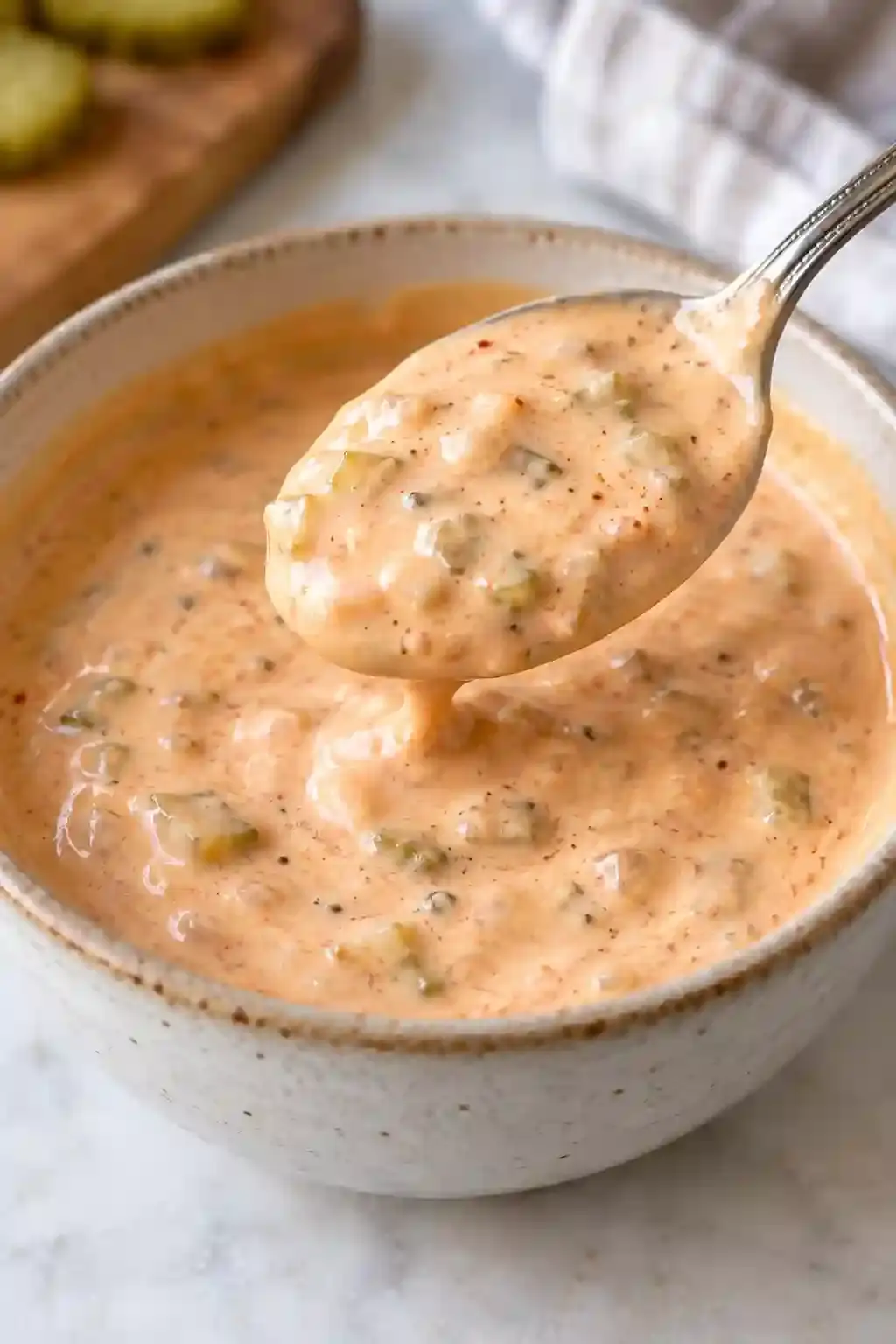
Quick Recipe Details
- Prep time: 5 minutes
- Resting time: 30 minutes
- Yield: About 3/4 cup
- Method: Mixing
- Cooking required: No
Burger Sauce Substitutions
You can make a few practical substitutions in burger sauce, but each swap changes the flavor or texture slightly. Instead of assuming that every substitute tastes the same, use the differences below to choose the version that fits your preference.
| Original Ingredient | Substitute | What Changes |
|---|---|---|
| Sweet pickle relish | Dill pickle relish | Less sweet and more tangy |
| Sweet pickle relish | Finely chopped dill pickles | More pickle-forward with a chunkier texture |
| Sweet pickle relish | Finely chopped bread-and-butter pickles | Sweeter with a chunkier texture |
| Yellow mustard | Dijon mustard | Sharper, more pronounced mustard flavor |
| Smoked paprika | Regular paprika | Less smoky flavor |
| Pickle juice | Another pickle brine | Acidity, saltiness, and pickle intensity may vary |
| Regular mayonnaise | Vegan mayonnaise | Texture and flavor depend on the product used |
Can I Use Dill Relish Instead of Sweet Relish?
Yes, dill relish can be used in burger sauce, but it will make the sauce less sweet and more tangy.
Sweet pickle relish contributes both pickle flavor and sweetness, while dill relish emphasizes acidity and savory pickle flavor.
If you use dill relish, taste the finished sauce before adding extra pickle juice, mustard, salt, sugar, or honey. You may find that the balance needs a small adjustment.
Can I Use Chopped Pickles Instead of Relish?
Yes. Finely chopped pickles can replace relish when you want more noticeable pieces of pickle in the sauce.
Chop them very finely so they distribute evenly through the mayonnaise base.
Dill pickles will generally move the sauce toward a sharper, less-sweet flavor, while bread-and-butter-style pickles will contribute more sweetness.
Because chopped pickles can differ considerably in acidity and saltiness, taste the sauce before making additional adjustments.
What Kind of Mustard Is Best for Burger Sauce?
Yellow mustard is the primary choice for this recipe because it provides mild acidity and mustard flavor without overpowering the other ingredients.
Dijon mustard can also be used when you want a sharper, more pronounced mustard character.
| Mustard | Flavor Effect | Best Fit |
|---|---|---|
| Yellow mustard | Mild and tangy | The base recipe |
| Dijon mustard | Sharper, deeper mustard flavor | A less-sweet or more mustard-forward variation |
| Stronger mustard varieties | More intense and potentially hotter | Use cautiously and adjust by taste |
These mustard styles are not identical, so changing the mustard will also change the overall balance of the sauce.
Can I Use Pickle Juice Instead of Vinegar?
Pickle juice works particularly well in this recipe because it provides acidity and pickle flavor at the same time.
In fact, this recipe already uses 1 teaspoon pickle juice rather than plain vinegar.
Different pickle brines vary in acidity, sweetness, seasoning, and salt content, so taste the sauce before adding extra salt or additional acidic ingredients.
Can I Make Burger Sauce Without Sweet Relish?
Yes. Finely chopped pickles are the most straightforward alternative if you still want pickle flavor and texture.
For a less-sweet version, finely chopped dill pickles are a practical choice. If you omit both relish and pickles completely, however, the sauce will lose part of the pickle character that defines this particular recipe.
Can I Make Burger Sauce Without Mayonnaise?
Mayonnaise provides most of the body and creamy texture in this recipe, so replacing it changes the sauce more significantly than swapping mustard or relish.
Vegan mayonnaise may be a practical alternative, but the final taste and consistency depend on the product.
Alternatives such as sour cream or Greek yogurt should not be treated as equivalent substitutions without recipe testing, because they can noticeably change acidity, richness, and texture.
Burger Sauce Variations
The base recipe is easy to adjust without changing its overall structure. Start with the finished sauce, taste it, then make one small change at a time so the balance stays easy to control.
Spicy Burger Sauce
Add 1/2 teaspoon hot sauce to the finished burger sauce for a spicier version.
Stir it in thoroughly, taste, and keep the rest of the recipe unchanged.
This adds heat while preserving the creamy, tangy base.
Smoky Burger Sauce
This recipe already includes 1/4 teaspoon smoked paprika, which gives the sauce a subtle smoky note.
If you want a noticeably smokier version, additional smoked paprika could be tested, but no higher amount has been validated in the provided recipe data. For publication, it is better not to specify an increased quantity until that variation has been tested.
Smash Burger Sauce
The base recipe can be used as a sauce for smash burgers without changing the ingredient list.
Its mayonnaise base gives it body, while the pickle juice, mustard, relish, and Worcestershire sauce provide acidity and savory contrast.
A separate “smash burger sauce” ratio should only be added if you test a different formulation and document how it performs compared with the base recipe.
Make It Less Sweet
Do not add the optional sugar or honey, and taste the sauce before making any other changes.
Because both ketchup and sweet pickle relish already contribute sweetness, the base recipe may not need any additional sweetener.
If the finished sauce still tastes too sweet, add a little more pickle juice or mustard, then taste again before making another adjustment.
Make It Sweeter
Add up to 1/2 teaspoon sugar or honey if you prefer a sweeter burger sauce.
Add it only after mixing and tasting the base recipe.
Since the ketchup and sweet relish already provide sweetness, keeping the amount small makes it easier to adjust without overpowering the tangy and savory ingredients.
Make It More Tangy
Add pickle juice in small increments when you want more acidity and pickle flavor.
Start with 1/2 teaspoon at a time, stir well, and taste after each addition.
You can also use a little more yellow mustard if you want a sharper mustard note, but no specific additional amount has been validated in the provided recipe data.
Make It Milder
Add 1–2 teaspoons mayonnaise if the sauce tastes too tangy or too intense.
Mix thoroughly and taste again.
The extra mayonnaise softens the acidity and seasoning while keeping the sauce creamy.
Make It Thicker or Thinner
For a thinner sauce, add pickle juice 1/2 teaspoon at a time.
For a thicker sauce, add mayonnaise 1 tablespoon at a time.
Make each adjustment gradually so you can stop as soon as the consistency suits how you plan to use the sauce.
How to Fix Burger Sauce
Burger sauce is easy to adjust after mixing. The key is to make small changes, stir well, and taste again before adding anything else.
Why Is My Burger Sauce Too Thin?
If your burger sauce is too thin, add mayonnaise 1 tablespoon at a time until it reaches the consistency you want.
Too much pickle juice or another liquid ingredient can loosen the sauce quickly.
Stir thoroughly after each addition so you can judge the texture before adding more mayonnaise.
Why Is My Burger Sauce Too Thick?
If the sauce is too thick, add pickle juice 1/2 teaspoon at a time.
Mix well after each addition and stop once the sauce is easy to spread without becoming runny.
Using pickle juice also increases acidity and pickle flavor, so make the adjustment gradually.
Why Is My Burger Sauce Too Sweet?
If your burger sauce tastes too sweet, first avoid adding the optional sugar or honey, then add a little more pickle juice or yellow mustard.
Ketchup and sweet pickle relish both contribute sweetness, so the sauce may already be sweet enough without additional sweetener.
Make small adjustments and taste after each one rather than adding a large amount at once.
Why Is My Burger Sauce Too Tangy?
Add 1–2 teaspoons mayonnaise if the sauce tastes too tangy.
The extra mayonnaise softens the acidity from the mustard and pickle juice while keeping the sauce creamy.
Stir well, taste again, and repeat only if needed.
Why Does My Burger Sauce Taste Bland?
Start by checking the salt before changing several ingredients at once.
Because mayonnaise, ketchup, relish, pickle juice, and Worcestershire sauce can vary by brand, the finished sauce may need a small pinch of salt.
If the sauce still tastes flat after that, a little more mustard, pickle juice, or Worcestershire sauce may help, but no additional quantities beyond the base recipe have been validated in the provided recipe data.
Why Is My Burger Sauce Too Peppery?
The easiest way to soften an overly peppery sauce is to add more mayonnaise.
Start with 1–2 teaspoons, stir thoroughly, and taste again.
Adding more of the creamy base reduces the concentration of black pepper without introducing extra sweetness or acidity.
How Do I Give Burger Sauce More Savory Flavor?
Worcestershire sauce is the main savory ingredient in this recipe, along with garlic powder and onion powder.
The base recipe already uses 1 teaspoon Worcestershire sauce, 1/2 teaspoon garlic powder, and 1/2 teaspoon onion powder.
If you want a stronger savory profile, increase only one ingredient at a time and taste as you go. Additional quantities should be tested before being presented as a fixed variation.
Quick Burger Sauce Fixes
| Problem | Adjustment | How Much |
|---|---|---|
| Too thin | Add mayonnaise | 1 tablespoon at a time |
| Too thick | Add pickle juice | 1/2 teaspoon at a time |
| Too tangy | Add mayonnaise | 1–2 teaspoons |
| Too sweet | Add pickle juice or mustard | Add gradually and taste |
| Too mild | Add hot sauce | 1/2 teaspoon |
| Not sweet enough | Add sugar or honey | Up to 1/2 teaspoon |
What to Serve With Burger Sauce
Burger sauce works best with foods that benefit from a creamy, tangy condiment. The mayonnaise gives it body, while the pickle, mustard, and Worcestershire flavors help balance rich, salty, or crispy foods.
Cheeseburgers
Cheeseburgers are the most natural pairing for this sauce.
Spread it on the top or bottom bun, or use a small amount on both. Its tangy pickle and mustard notes help cut through the richness of the beef and cheese without adding another separate condiment.
Smash Burgers
This sauce also works well on smash burgers because it is creamy enough to spread while still bringing acidity and pickle flavor.
Use it as the main condiment rather than combining several sauces at once. The base recipe does not need to be changed specifically for a smash burger.
Fries
Burger sauce can be served as a dipping sauce for regular fries.
Its creamy texture makes it easy to scoop, while the ketchup, mustard, pickle juice, and relish give it more flavor complexity than plain mayonnaise or ketchup alone. For another creamy option made for dipping, try our homemade yum yum sauce.
If you want a slightly thinner dipping consistency, add pickle juice 1/2 teaspoon at a time.
Sweet Potato Fries
The tangy and savory elements in burger sauce can help balance the natural sweetness of sweet potato fries.
For this pairing, you may prefer to skip the optional sugar or honey so the sauce does not become unnecessarily sweet.
Onion Rings
Burger sauce works as a creamy dipping sauce for onion rings.
The pickle juice and mustard provide acidity that contrasts with the fried coating, while the mayonnaise gives the sauce enough body to cling to each piece.
Chicken Burgers and Sandwiches
Use burger sauce as a spread for chicken burgers, crispy chicken sandwiches, or other savory sandwiches.
The creamy base adds moisture, while the pickle and mustard flavors provide contrast without requiring several separate condiments.
Chicken Tenders
Burger sauce can also be served on the side as a dip for chicken tenders.
If you prefer more heat, stir 1/2 teaspoon of hot sauce into the finished burger sauce. Serve it alongside chicken tenders as a creamy dipping sauce.
Veggie Burgers
Burger sauce can be used on veggie burgers in the same way as on beef burgers.
Spread it directly on the bun and adjust the sweetness or tang according to the flavors already present in the burger.
If dietary requirements are relevant, check the labels of the mayonnaise and Worcestershire sauce rather than assuming the finished sauce meets a specific dietary standard.
Wraps and Sandwiches
A thin layer of burger sauce can add creaminess, pickle flavor, and seasoning to wraps and sandwiches.
Because the sauce already contains several strong condiments, start with a small amount so it supports the filling rather than dominating it.
If you want to explore another homemade sauce recipe, you can also see our Tram sauce recipe.
How to Store Burger Sauce
Keep homemade burger sauce refrigerated in a covered, airtight container. The refrigerator should be maintained at FDA food storage guidance., which is the temperature recommended by the FDA for refrigerated foods.
Use a clean spoon each time you serve the sauce, and avoid dipping utensils that have touched raw meat or other foods back into the container.
How Long Does Homemade Burger Sauce Last?
For a conservative food-safety approach, use homemade burger sauce within 3–4 days when it has been continuously refrigerated at 40°F (4°C) or below. This timeframe follows USDA guidance for refrigerated leftovers, rather than a shelf-life test performed specifically on this burger sauce..
The USDA gives a general refrigerator limit of 3–4 days for leftovers. There is no specific USDA or FDA storage chart entry for this exact homemade burger sauce formulation, so this recommendation applies that conservative leftovers guideline rather than claiming a recipe-specific tested shelf life.
If the sauce develops mold, an unusual appearance, or another obvious sign of spoilage, discard it. Keep in mind that harmful bacteria do not always change a food’s smell, taste, or appearance, so visual inspection should not be used to extend the recommended storage period.
Can You Make Burger Sauce Ahead?
Yes. You can prepare the sauce ahead and keep it covered in the refrigerator until you are ready to serve it.
This recipe already includes a 30-minute refrigerated resting period, so making it shortly before the meal fits naturally into the preparation.
If preparing it farther in advance, keep the total refrigerated storage time within the conservative 3–4 day window described above.
How Long Can Burger Sauce Sit Out?
Do not leave refrigerated burger sauce at room temperature for more than 2 hours.
FDA guidance recommends refrigerating foods that require refrigeration within 2 hours, or within 1 hour when the temperature is above 90°F (32°C).
Return the sauce to the refrigerator promptly after serving rather than leaving the full container on the table throughout a long meal.
Can You Freeze Burger Sauce?
Freezing is not the preferred storage method for this mayonnaise-based sauce because the texture may change after thawing.
FDA storage guidance notes that commercial mayonnaise does not freeze well. Because this finished burger sauce has not been tested after freezing, refrigeration is the more reliable option for maintaining its intended consistency.
If freezing performance is tested before publication, this section can later be updated with an actual observation of separation, texture, and consistency after thawing.
Food Safety and Allergy Notes
This burger sauce uses several packaged condiments, so the exact allergen profile can vary by brand. If you are cooking for someone with a food allergy or dietary restriction, check the ingredient list and allergen statement on every product you use.
Egg
Mayonnaise commonly contains egg, which is one of the nine major food allergens recognized in the United States.
If egg is a concern, use a mayonnaise alternative that is clearly labeled for your needs and check the rest of the ingredients as well. FDA guidance recommends reading the full ingredient list and any “Contains” statement rather than relying only on the product name.
Fish in Worcestershire Sauce
Some Worcestershire sauces contain fish ingredients such as anchovies, so check the label before using them for someone with a fish allergy.
Fish is a major food allergen in the United States, and packaged foods containing it must identify the fish source according to federal labeling requirements.
If you use a different Worcestershire-style sauce, do not assume the allergen profile is the same from one brand to another.
Is Burger Sauce Gluten-Free?
Do not assume this burger sauce is gluten-free without checking the individual products.
Mayonnaise, ketchup, mustard, relish, Worcestershire sauce, hot sauce, and seasonings can have different formulations depending on the brand. If gluten avoidance is important, use products specifically suitable for your dietary needs and verify each label before preparing the sauce.
Is Burger Sauce Vegan?
The base recipe should not automatically be labeled vegan.
Regular mayonnaise generally uses egg, and some Worcestershire sauces may contain fish. A vegan version would require suitable alternatives for those ingredients, and the finished result should only be described as vegan when every product used meets that requirement.
Avoid Cross-Contamination
If you are preparing the sauce for someone with a food allergy, use clean bowls, utensils, and measuring tools and keep them away from ingredients containing the relevant allergen.
Also avoid returning a spoon to the sauce after it has touched raw meat or another food. Keep the finished sauce refrigerated at 40°F (4°C) or below and return it to the refrigerator promptly after serving.
PrintEasy and Flavorful Burger Sauce Recipe
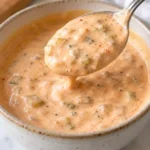
A creamy, tangy burger sauce made with mayonnaise, ketchup, sweet pickle relish, yellow mustard, pickle juice, Worcestershire sauce, and simple seasonings. It takes 5 minutes to mix and rests for 30 minutes before serving with burgers, smash burgers, fries, sandwiches, or as a dipping sauce.
- Prep Time: 5 minutes
- Total Time: 35 minutes
- Yield: About 3/4 cup 1x
- Category: Sauce
- Method: No-Cook
Ingredients
- 1/2 cup (120 g) mayonnaise
- 2 tablespoons ketchup
- 1 tablespoon sweet pickle relish
- 1 teaspoon yellow mustard
- 1 teaspoon pickle juice
- 1 teaspoon Worcestershire sauce
- 1/2 teaspoon garlic powder
- 1/2 teaspoon onion powder
- 1/4 teaspoon smoked paprika
- 1/8 teaspoon freshly ground black pepper
- Pinch of salt, only if needed after tasting
- 1/2 teaspoon hot sauce, optional, for a spicy burger sauce
- 1/2 teaspoon sugar or honey, optional, only if you prefer a sweeter sauce
Instructions
- Add the mayonnaise, ketchup, and yellow mustard to a small mixing bowl. Whisk until completely smooth and evenly combined.
- Add the sweet pickle relish, pickle juice, and Worcestershire sauce. Stir until the relish is evenly distributed throughout the sauce.
- Add the garlic powder, onion powder, smoked paprika, and black pepper. Whisk again until the seasonings are fully incorporated.
- Taste the sauce before adding extra salt or sweetness. If it is too sweet, add a little more pickle juice or mustard. If it is too tangy, add 1–2 teaspoons mayonnaise. If it is too thick, add pickle juice 1/2 teaspoon at a time. If it is too thin, add mayonnaise 1 tablespoon at a time. If it is too mild, add 1/2 teaspoon hot sauce. If it is not sweet enough, add up to 1/2 teaspoon sugar or honey.
- Cover the sauce and refrigerate for at least 30 minutes before serving. Stir and taste again before using, then make any final seasoning adjustments.
Notes
- Taste the sauce before adding extra salt because mayonnaise, ketchup, relish, pickle juice, and Worcestershire sauce can already contribute salt.
- For a spicier sauce, add 1/2 teaspoon hot sauce.
- For a sweeter sauce, add up to 1/2 teaspoon sugar or honey only after tasting the base recipe.
- To thin the sauce, add pickle juice 1/2 teaspoon at a time.
- To thicken the sauce, add mayonnaise 1 tablespoon at a time.
For a conservative food-safety approach, store the sauce covered in the refrigerator at 40°F (4°C) or below and use within 3–4 days.
Nutrition
- Serving Size: 1 tablespoon
- Calories: 73 kcal
- Sugar: 1.1 g
- Sodium: 127 mg
- Fat: 7.4 g
- Saturated Fat: 1.1 g
- Unsaturated Fat: 6.0 g
- Trans Fat: 0 g
- Carbohydrates: 1.6 g
- Fiber: 0.1 g
- Protein: 0.2 g
- Cholesterol: 6 mg
Burger Sauce FAQs
Is Burger Sauce the Same as Thousand Island Dressing?
Burger sauce and Thousand Island dressing can share ingredients, but they are not automatically the same condiment. Both may include mayonnaise, ketchup, and pickles or relish, while burger sauce can also contain mustard, pickle juice, Worcestershire sauce, and different seasonings. The exact difference depends on the recipes being compared.
Is Burger Sauce the Same as Big Mac Sauce?
No. Burger sauce is a broad style of homemade condiment, while Big Mac sauce refers to a specific McDonald’s branded sauce. Some ingredients and flavors may overlap, but this recipe is not presented as a Big Mac copycat or as an authentic McDonald’s formula.
Does Burger Sauce Need to Be Cooked?
No. This burger sauce is a no-cook recipe. Add the ingredients to a bowl, whisk until combined, adjust the flavor and consistency if needed, then refrigerate the sauce for the 30-minute resting period included in this recipe before serving.
Can Burger Sauce Be Used as a Dip?
Yes. Burger sauce can also be served as a dipping sauce for foods such as fries, onion rings, or chicken tenders. If you prefer a slightly thinner dipping consistency, add pickle juice 1/2 teaspoon at a time, stirring after each addition.
Is Homemade Burger Sauce the Same as Store-Bought Burger Sauce?
Not necessarily. Burger sauce does not have one universal formula, so bottled products and homemade recipes can differ in sweetness, acidity, pickle flavor, seasoning, and texture. Making it at home also lets you adjust those elements rather than being limited to the balance of a packaged sauce.
Final Thoughts
This homemade burger sauce is all about balance: creamy, tangy, savory, and slightly sweet. Mix the base, taste before adjusting, and use small changes in mayonnaise, pickle juice, mustard, or hot sauce to get the consistency and flavor you want.
Serve it with burgers, smash burgers, fries, sandwiches, or as a dip, and refrigerate the finished sauce before serving.