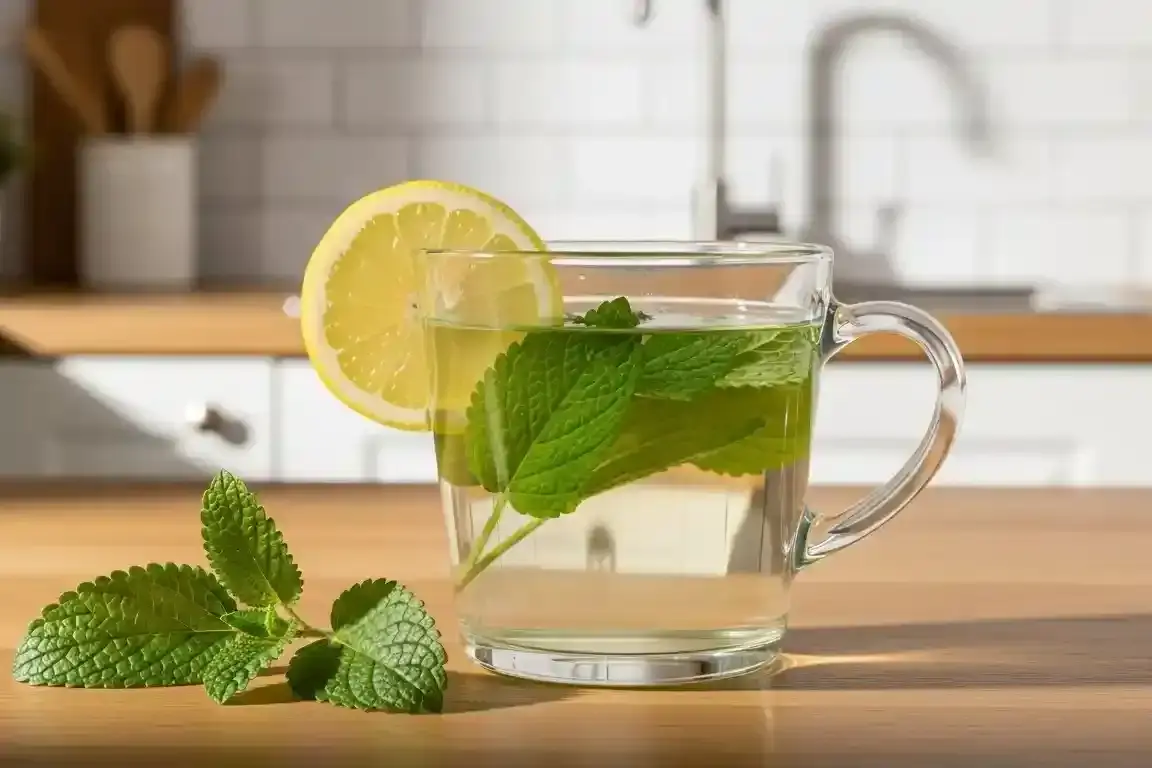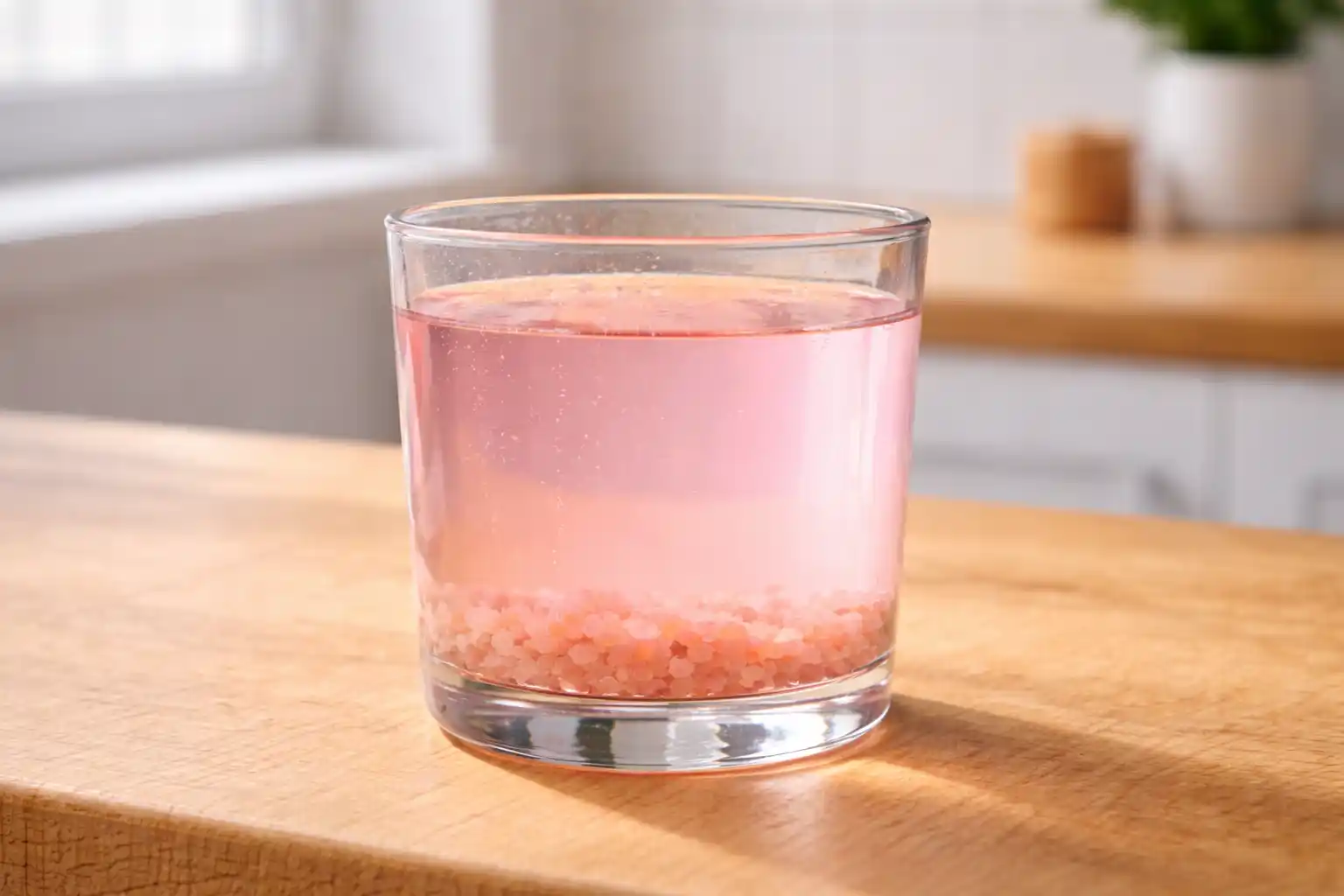

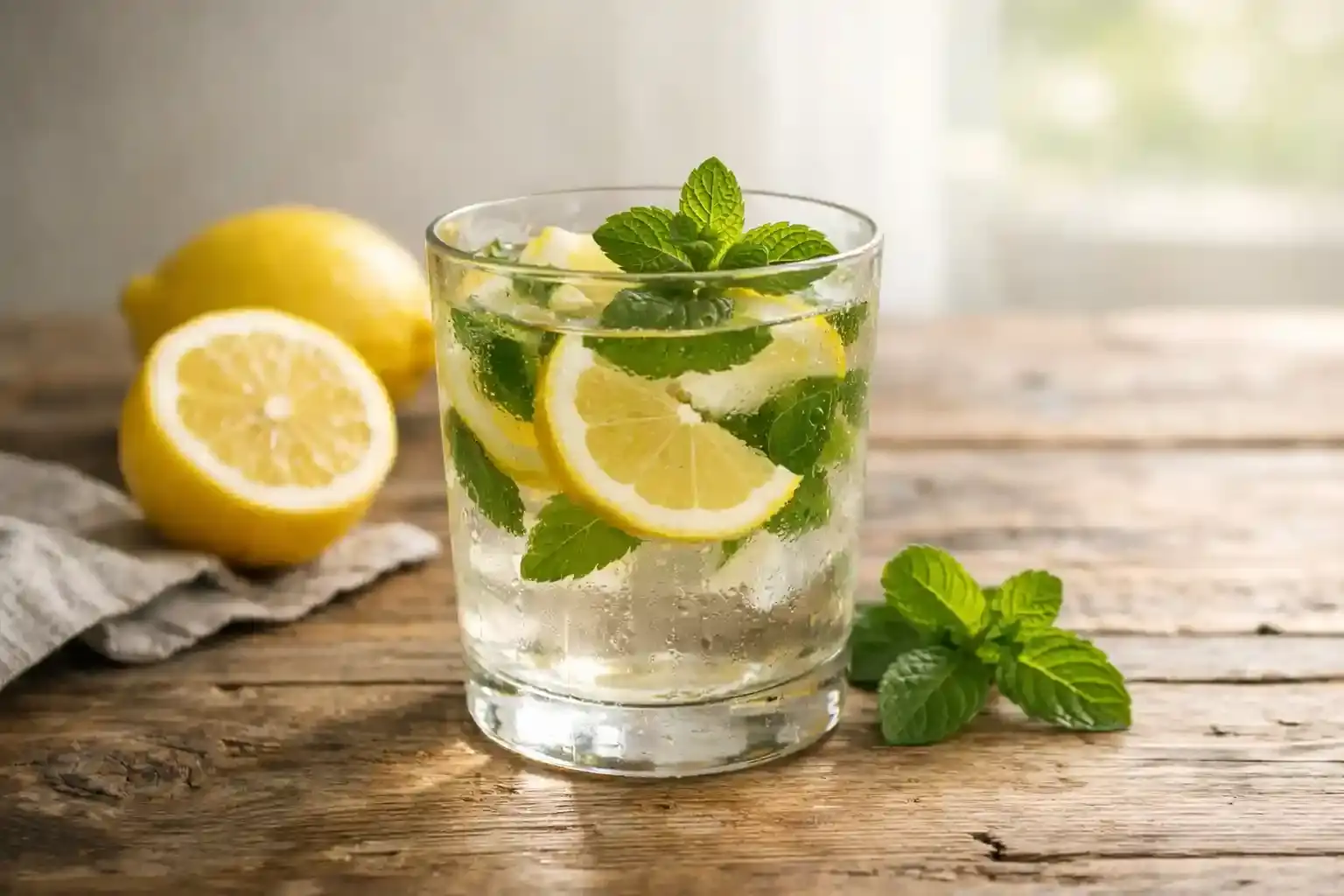
Natural weight loss drinks explained simply are beverages made with mostly whole or minimally processed ingredients, like plain water infused with fruit, unsweetened tea, or black coffee. When people explore natural weight loss drinks, they’re often looking for hydration options that replace sugary beverages while supporting mindful calorie choices.
Key Takeaways
- “Natural” simply means ingredients are closer to their original state, not automatically better or safer.
- Hydration supports appetite control and overall health, not instant weight loss.
- Some natural options, such as unsweetened teas or citrus-infused water, can complement balanced meals.
- Marketing claims like “detox” or “fat-burning” often exaggerate benefits.
- Always consider caffeine sensitivity, added sugars, or medical conditions before trying new drinks.
- For ingredient-based guidance, visit the related pillars on Pink Salt Weight Loss Guide and Lemon Balm Weight Loss Guide.
What Natural Weight Loss Drinks Really Mean
The word natural sounds simple, but in the world of wellness and food marketing, it’s often misused. In general, a natural drink is one made from ingredients that have gone through little processing, think fresh herbs, brewed teas, or fruit-infused water, without added sugars, artificial flavors, or chemical sweeteners.
In practice, natural doesn’t guarantee a healthier choice. Even drinks labeled “natural” can contain large amounts of juice concentrate, honey, or other high-calorie ingredients. What matters most is the overall balance: ingredients you recognize, modest calorie content, and a role that supports, not replaces, a nutritious diet.
Understanding this distinction helps you navigate the space between a homemade herbal tea and a bottled “detox” drink that might rely on marketing buzzwords. True natural beverages emphasize hydration and transparency: clear labeling, short ingredient lists, and flavors that come from real foods instead of additives.
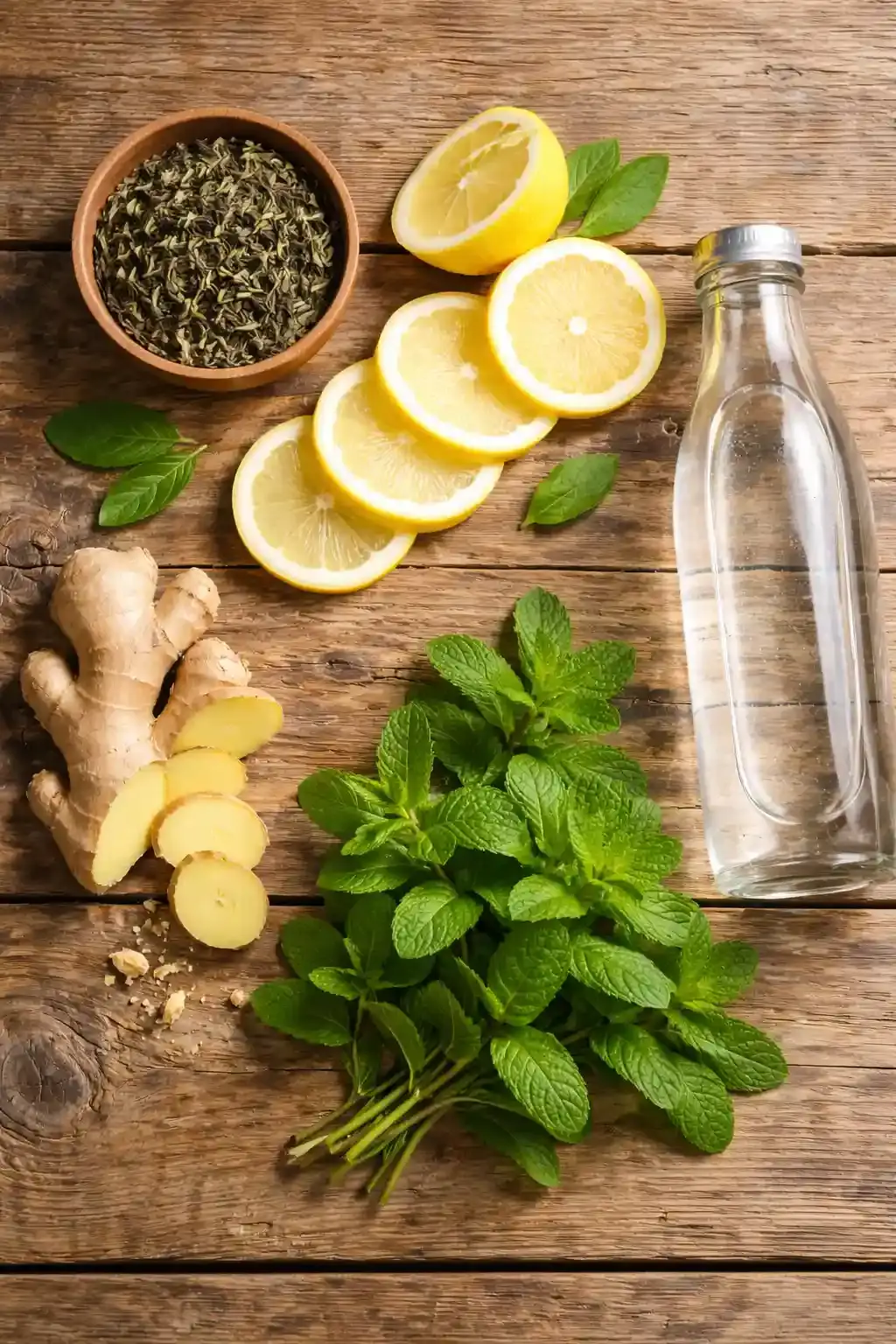
Understanding natural weight loss drinks explained in this way helps clarify how “natural” can mean simple and transparent rather than magical or extreme. Most natural drinks for weight loss focus on hydration, flavor, and moderation rather than restriction.
Why Natural Weight Loss Drinks Aren’t Always Healthier
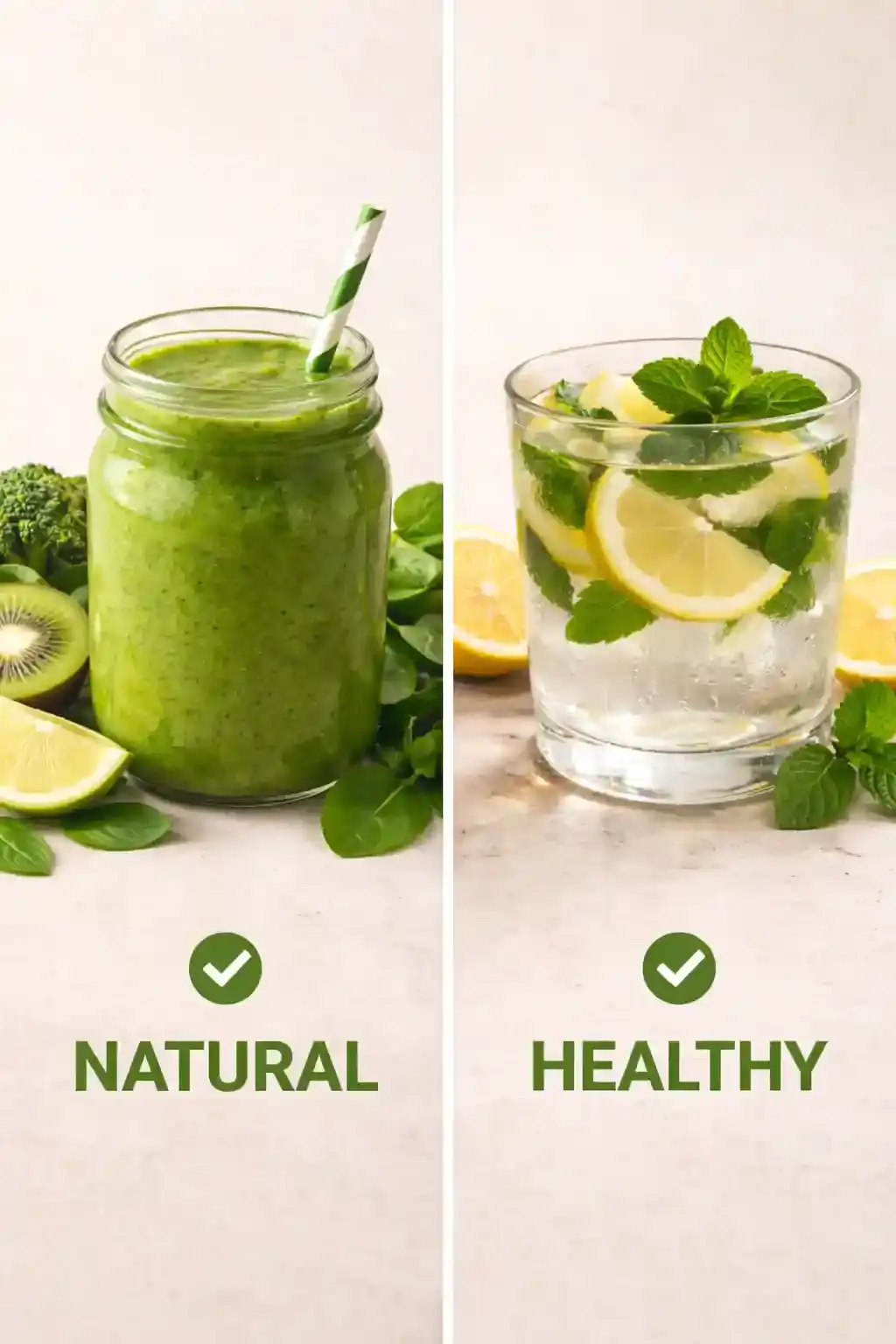
Many people searching for natural weight loss drinks explained by nutrition experts are often surprised to learn that “natural” doesn’t always mean “healthy.” A drink can be made from natural ingredients yet still contain more sugar or calories than you realize. For example, a fruit smoothie made with 100% juice may sound wholesome, but it can contain as much sugar as a sweetened soft drink.
Even natural weight loss drinks, such as smoothies or herbal teas, can hide calories or natural sugars that slow progress when portion sizes grow too large. Ingredients that seem pure, like honey, maple syrup, or agave, still count as added sugars when used in excess. They may be less processed, but your body still treats them as energy sources, not as shortcuts to discipline or balance.
Herbal and plant-based beverages can also bring their own cautions. Some teas contain caffeine that may disrupt sleep or digestion, while others might not suit people taking medications or managing specific conditions. Remember, natural doesn’t automatically mean risk-free.
The healthiest approach is moderation. Natural drinks for weight loss can help you stay hydrated and reduce sugary beverage intake, but they work best as part of an overall balanced lifestyle, not as fast or effortless solutions. When viewed realistically, natural weight loss drinks explained in this context are supportive tools, not standalone cures.
When choosing any natural beverage, keep these three points in mind:
- Check the ingredients. Fewer, recognizable items are usually better.
- Watch the calories. Even natural sugars add up quickly.
- Think of purpose. Choose drinks that refresh and hydrate, not those promising unrealistic results.
How to Evaluate Natural Weight Loss Drink Claims
Understanding natural weight loss drinks explained in marketing is essential if you want to separate fact from clever labeling. The word “natural” often appears on product packaging because it feels safe and reassuring. Yet in the United States, natural isn’t a strictly regulated term for most foods or beverages. That means companies can use it even when products contain processed ingredients, added sugars, or flavor enhancers. Learning how to read between the lines helps you make smarter, more confident choices.
When evaluating natural weight loss drinks, start by examining the ingredient list carefully. The first few items indicate what’s used in the largest amounts. A truly natural beverage usually includes short, recognizable ingredients, like green tea, lemon, mint, or plain water, rather than synthetic flavors or chemical additives.
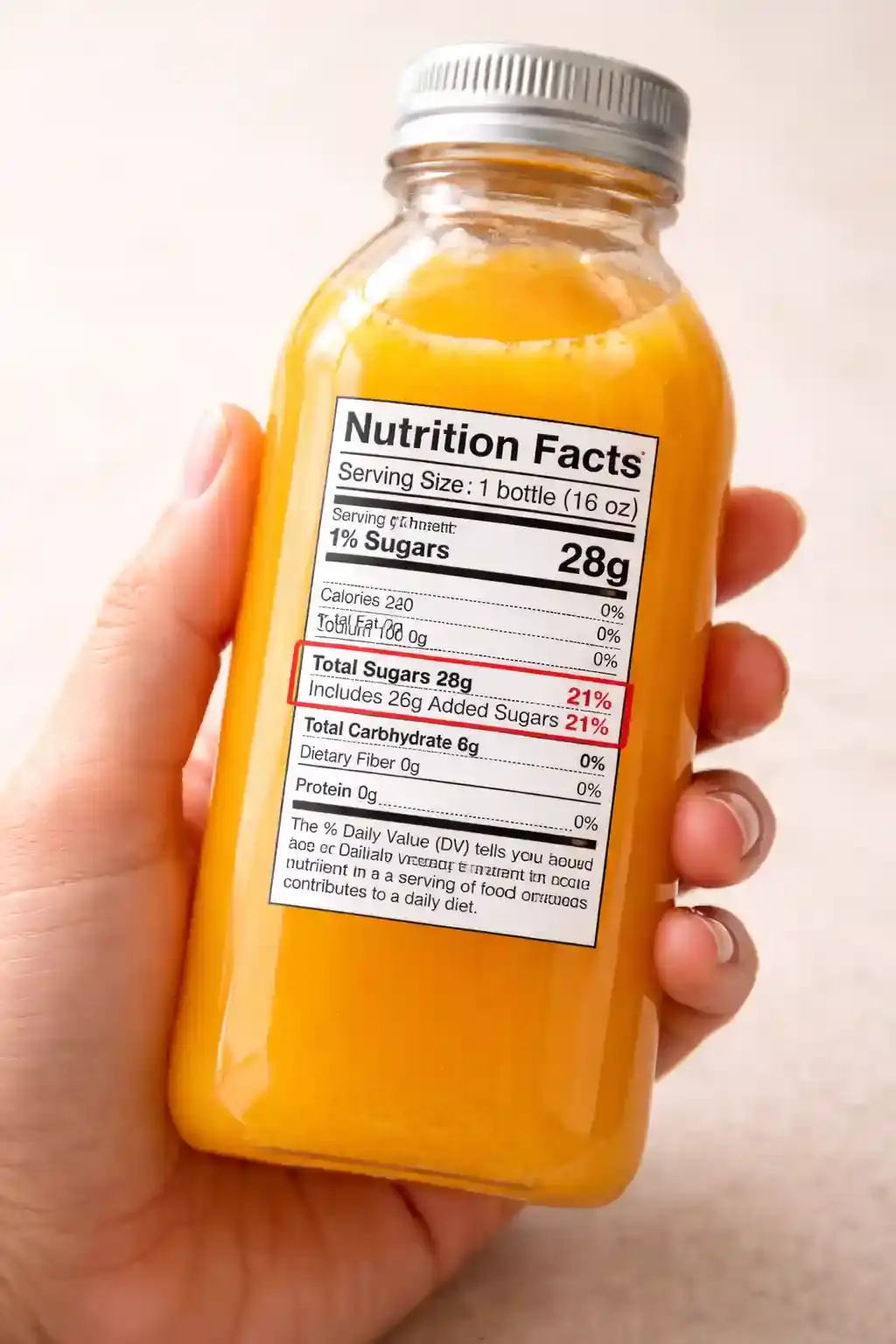
Next, check the nutrition facts panel. Even natural ingredients can result in high-calorie drinks if there’s too much juice concentrate, honey, or sweet syrup. If sugar or sweetener appears near the top of the label, it’s a good sign to pause and reconsider. Remember, natural drinks for weight loss should support your goals, not work against them.
Be especially cautious of marketing claims that sound scientific but lack real evidence. Terms like detox, fat-burning, or metabolism-boosting are often used to make a product sound more effective than it truly is. Reliable natural weight loss drinks explained by registered dietitians focus on hydration, taste, and habit-building, not miracle results. No single beverage can replace balanced nutrition, regular activity, and adequate rest.
Finally, consider how each drink fits into your lifestyle. Natural beverages can help replace higher-calorie options, but they shouldn’t be treated as quick fixes or substitutes for meals. A helpful question to ask yourself is: Would I still enjoy this drink if it didn’t promise weight loss? If the answer is yes, it’s probably a smart and sustainable choice.
Natural Weight Loss Drinks vs. Processed Options: Finding the Balance
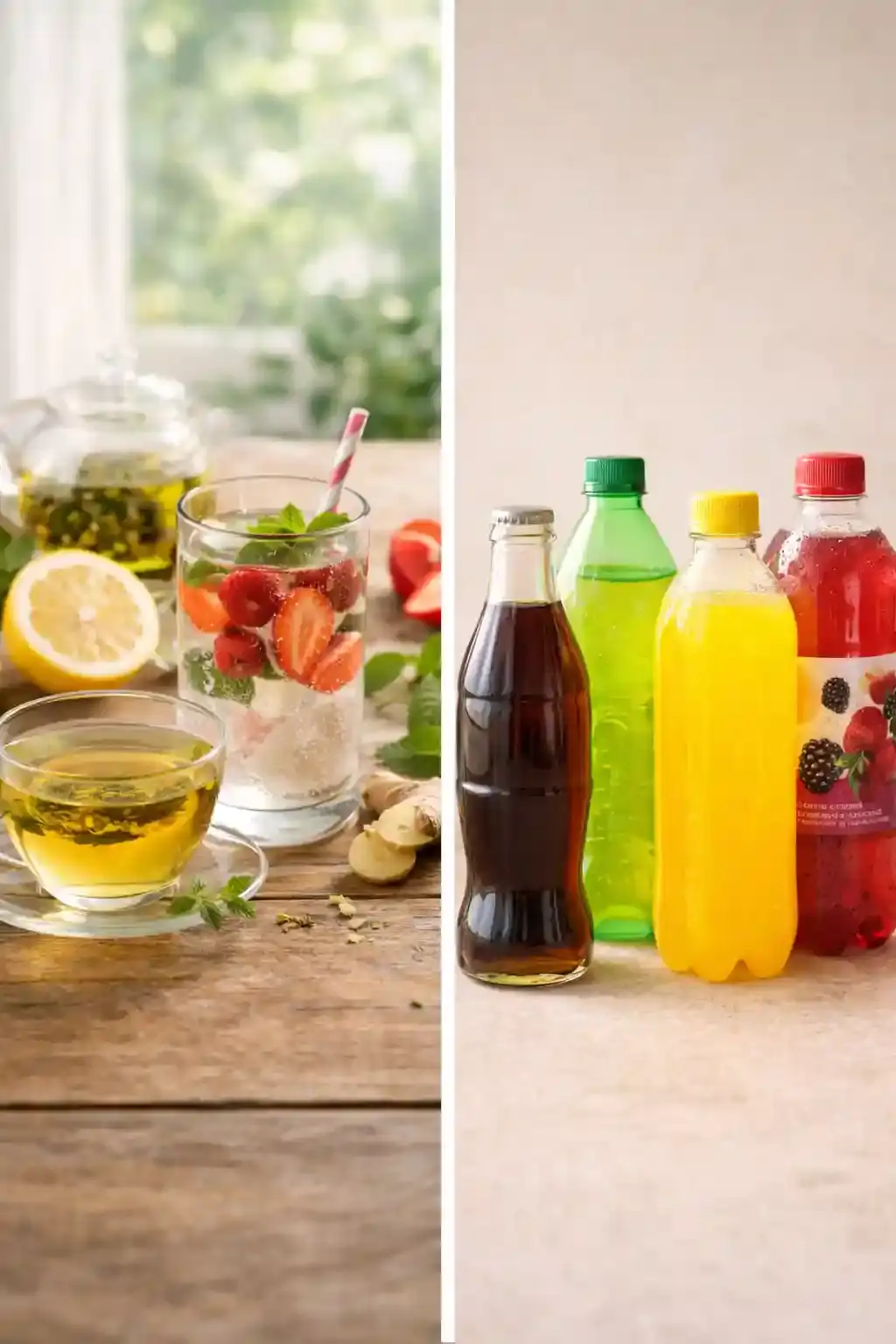
When it comes to understanding natural weight loss drinks explained through everyday choices, the debate between natural and processed isn’t as simple as it sounds. Most beverages fall somewhere between these two extremes. Some level of processing, such as pasteurizing, blending, or filtering, can actually make drinks safer, longer-lasting, and easier to enjoy. The goal isn’t to avoid processing entirely but to recognize which types add value and which ones simply add sugar or unnecessary ingredients.
A truly natural weight loss drink typically keeps ingredients close to their original form, like freshly brewed tea or water infused with citrus, mint, or herbs. In contrast, a processed drink may include preservatives, flavoring, or coloring to enhance taste or shelf life. Some processing is helpful for safety, but too much can reduce nutrient density and increase hidden sugars.
Here’s a simple way to compare how natural and processed beverages differ in purpose and impact:
| Type of Drink | Example | Processing Level | What to Know |
|---|---|---|---|
| Herbal tea brewed at home | Ginger, mint, or lemon balm | Minimal | Simple and caffeine-free when brewed lightly; excellent for daily hydration. |
| Fruit-infused water | Lemon or cucumber slices in water | Minimal | Adds flavor with almost no calories; best consumed fresh for taste and nutrients. |
| Cold-brew tea or coffee (unsweetened) | Black coffee or green tea | Low to moderate | Rich in antioxidants; moderate caffeine intake is key to balance. |
| Bottled juice labeled “natural” | Apple or orange juice | Moderate | Often higher in sugar and lower in fiber; best enjoyed occasionally. |
| Flavored “detox” drink or energy tea | Store-bought “fat-burning” blends | High | May include stimulants or added sweeteners; read labels carefully and use sparingly. |
In everyday life, it’s perfectly fine to enjoy both natural and lightly processed drinks. What matters most is transparency, knowing what’s in your glass and choosing options that help you stay hydrated without excess sugar or artificial flavoring. Building small, realistic habits, like carrying a reusable bottle filled with water and fruit slices or brewing herbal tea at home, makes the biggest long-term difference.
When viewed through a balanced lens, natural weight loss drinks explained in this way are less about perfection and more about awareness. The healthiest relationship with food and drink comes from curiosity, not restriction.
Explore More From the Weight Loss Drinks Collection
Every guide in the Weight Loss Drinks series is designed to work together, helping readers understand how natural weight loss drinks explained in different contexts can fit into a balanced, enjoyable lifestyle.
This article focuses on clarity, trust, and everyday understanding, showing what “natural” really means, while other guides in this collection explore ingredients, hydration, and results from complementary angles.
Here’s how the collection is organized to help you choose your next read with purpose:
| Category | What You’ll Find |
|---|---|
| Pillars | Ingredient-based guides that explore how everyday elements like minerals, herbs, and infusions contribute to gentle, natural wellness habits. |
| Explainers | Science-focused articles that clarify how hydration, metabolism, and calorie balance work together to support long-term, healthy weight goals. |
| Trust & Benefits | Evidence-aware discussions on the potential benefits, limitations, and safety of natural drinks and herbal ingredients in everyday wellness. |
Together, these pages form a clear, reliable path for readers who want to understand not only what to drink but why those choices matter, helping you make informed, sustainable wellness decisions with confidence.
Staying Safe With Natural Weight Loss Drinks
Even when ingredients sound simple or familiar, natural weight loss drinks explained through science and experience show that “natural” doesn’t always mean risk-free. Each body responds differently to what it drinks. Beverages made from whole foods, herbs, or coffee can still affect people in unique ways depending on their sensitivity, health conditions, or medications. The safest approach is mindfulness, making small, gradual changes and noticing how your body reacts.
Some natural drinks for weight loss contain caffeine, herbal compounds, or plant extracts that may not be suitable for everyone. If you’re pregnant, managing blood sugar, or taking medication, it’s always wise to talk with a healthcare professional before adding new drinks to your daily routine. Responsible experimentation is part of healthy curiosity.
Listening to your body is key. Signs such as an upset stomach, sleep disruption, or increased heart rate can signal that a particular beverage doesn’t suit you. Natural weight loss drinks explained in this guide are meant to encourage awareness, not strict rules or quick fixes.

Here are a few simple, practical ways to enjoy natural beverages safely:
- Keep variety in your hydration routine. Rotate between water, herbal teas, and light fruit infusions.
- Avoid overuse. Even healthy drinks can cause discomfort if consumed excessively.
- Check unknown ingredients. Some natural blends include concentrated extracts or stimulants, read labels carefully.
- Stay realistic. Natural drinks can complement your wellness goals, but they don’t replace balanced meals, rest, or movement.
Being informed is one of the most reliable forms of self-care. Stay curious, observe how your body feels, and make choices that promote balance and comfort. That’s how real, sustainable wellness begins, one thoughtful sip at a time.
FAQs About Natural Weight Loss Drinks explained
What is the best natural drink for weight loss?
There isn’t one single “best” drink for everyone. The healthiest natural weight loss drinks explained by experts are those low in added sugars and supportive of hydration, like water with lemon, unsweetened green tea, or herbal infusions made with mint or ginger. These drinks can help maintain balance when paired with nutritious meals and movement, but they don’t cause weight loss on their own.
How did Kelly Clarkson lose weight so quickly?
Public figures often make several lifestyle adjustments at once, including dietary changes, activity levels, and sometimes medical support. While some media focus on a single “natural drink” or ingredient, true results come from long-term habits. It’s best to view celebrity stories cautiously and instead focus on steady, sustainable wellness, like hydration, rest, and mindful eating.
What is the 3-ingredient drink for weight loss?
Drinks claiming to work “because of three ingredients” usually include water, citrus, and a spice like ginger or cinnamon. These natural drinks for weight loss can be refreshing and hydrating, but they don’t have proven fat-burning effects. Their real benefit lies in helping you replace sugary or high-calorie beverages with lighter, more natural options.
What is the 4-ingredient weight loss drink?
A popular version combines water, lemon, honey, and a touch of apple cider vinegar. This combination can make daily hydration more enjoyable, but it isn’t a medical solution. The habit of drinking more water, rather than any specific mix, is what supports consistency and better wellness over time.
What is the simple morning ritual drink for weight loss?
Many people enjoy starting their day with warm lemon water or herbal tea because it feels refreshing and easy to digest. These natural weight loss drinks gently hydrate your body after sleep, setting a calm tone for the day. It’s the routine, not the exact ingredients, that promotes long-term well-being.
How do I drop 20 pounds fast?
Safe, lasting progress takes time and consistency. No natural weight loss drink or shortcut can replace a balanced diet, portion awareness, and regular movement. Quick fixes may strain your body or metabolism. Instead, focus on hydration, whole foods, sleep, and patience, the cornerstones of sustainable wellness.
How We Research and Keep Our Natural Weight Loss Guides Accurate
At TastyMillions, every article is crafted with care, curiosity, and verified research. Each topic begins with genuine kitchen experience, testing ingredients, blends, and hydration ideas, and is then supported by evidence from trusted U.S. nutrition and health institutions. Before publishing, every guide undergoes a thorough editorial review for accuracy, balance, and clarity.
We approach natural weight loss drinks explained through both practical experience and scientific understanding. Our process brings together culinary curiosity with up-to-date research, so readers can enjoy information that is reliable, safe, and easy to apply at home.
Our research process focuses on:
- Verified health sources such as U.S. government agencies, medical centers, and nutrition institutions.
- Evidence-based updates from leading organizations like the NIH, Harvard T.H. Chan School of Public Health, and the USDA.
- Clear communication of what’s known, what’s still debated, and how moderation always matters.
This article is part of our ongoing mission to make wellness and everyday nutrition understandable, not overwhelming. We regularly revisit and update each guide to reflect new findings and real-life insights, ensuring that what you read remains fresh, balanced, and trustworthy, just like the natural drinks we write about.
Reliable Health & Nutrition Sources and References 2026
All the references below come from trusted U.S. health, medical, and nutrition institutions. Each source has been carefully reviewed to support factual accuracy, safety, and scientific transparency. Together, they ensure that every statement in this article reflects the most reliable and up-to-date evidence about hydration, natural drinks, and balanced weight management.
| Source | Type of Authority | Main Focus |
|---|---|---|
| Harvard T.H. Chan School of Public Health | Academic Institution (Harvard University) | Healthy beverage choices and hydration science |
| Centers for Disease Control and Prevention (CDC) | Federal Public Health Authority | Weight management, growth, and lifestyle guidance |
| Mayo Clinic – Nutrition Basics | Medical Institution (Nonprofit Hospital Network) | Daily nutrition, balanced meals, and long-term habits |
| Mayo Clinic – Water & Hydration | Medical Institution (Nonprofit Hospital Network) | Hydration levels, water needs, and body function |
| MedlinePlus – National Library of Medicine | Government Health Information Platform | Weight control, physical activity, and nutrition literacy |