
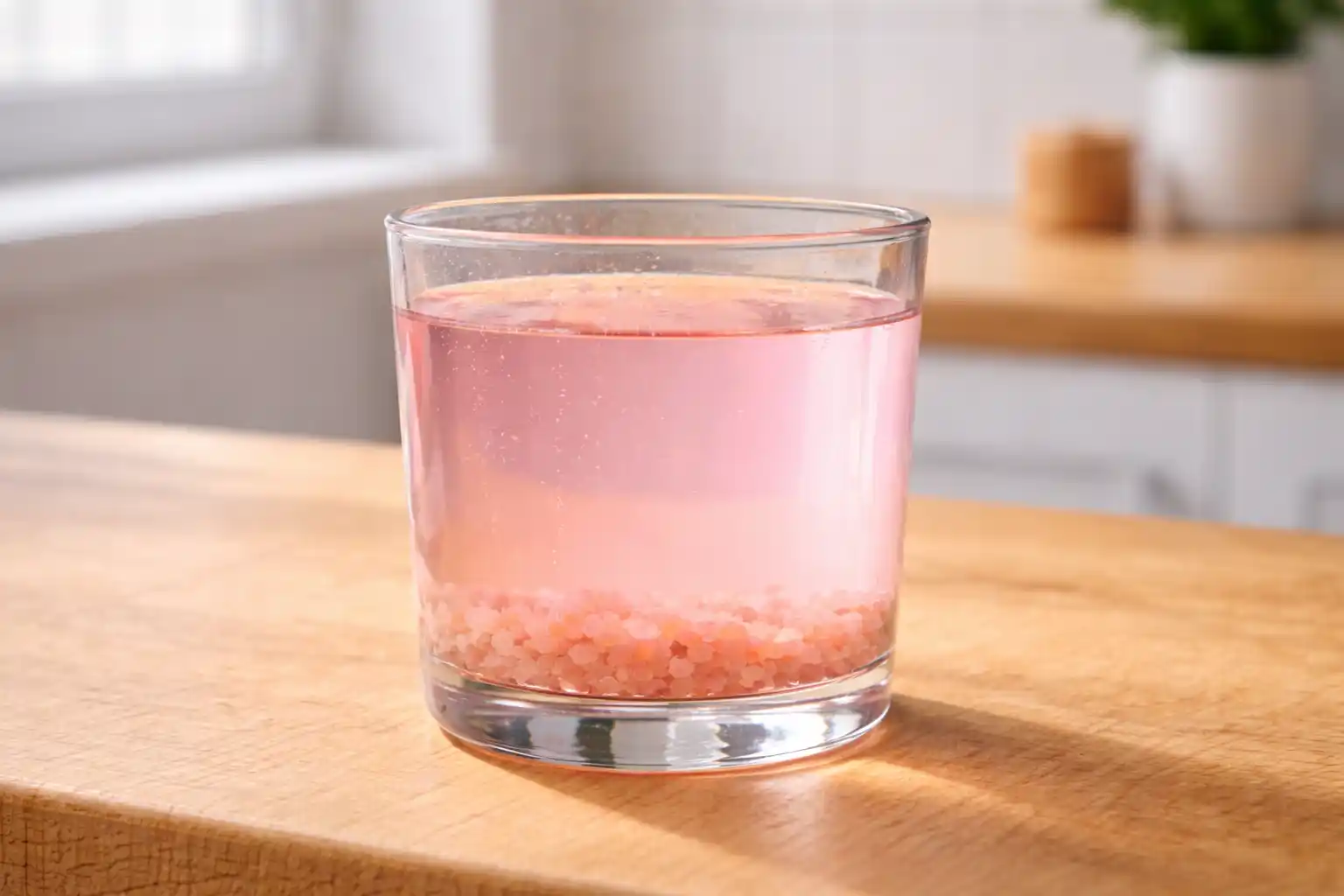
The pink salt weight loss trick is a popular morning drink trend made with pink Himalayan salt and water, sometimes with lemon or apple cider vinegar. While it may help some people feel lighter or more hydrated, there’s no scientific proof that it burns fat or speeds metabolism. Its main effect comes from improved hydration habits, not weight loss itself – as explained in this “pink salt weight loss guide”.
Key Takeaways
- No direct fat loss: Pink salt water doesn’t cause fat burning; it may reduce bloating through hydration.
- Hydration boost: Drinking water with or without salt can support fullness and reduce sugary drink intake.
- Trace minerals: Pink salt contains small amounts of minerals, but not enough to impact weight.
- Safety matters: Too much sodium can lead to bloating or blood pressure issues.
- Better rituals exist: Healthy hydration, balanced meals, and movement support real, lasting weight control.
- Check health needs: Anyone with kidney or heart conditions should consult a doctor before trying it.
- Learn responsibly: This guide explains what’s known, what’s hype, and how to stay safe with current trends.
Introduction
Few wellness trends spread as fast as the “pink salt weight loss trick.” Shared across social media as a supposed morning detox drink, it’s often praised as an easy fix for feeling lighter or more energized. But what’s actually happening inside the body when you sip salt water each morning?
In this guide, we’ll explore what pink salt really is, why it’s linked to weight loss myths, and what science says about its effects on hydration, metabolism, and safety. You’ll also find smarter alternatives that fit your morning routine without health risks or unrealistic promises.
What Is the Pink Salt Trick?
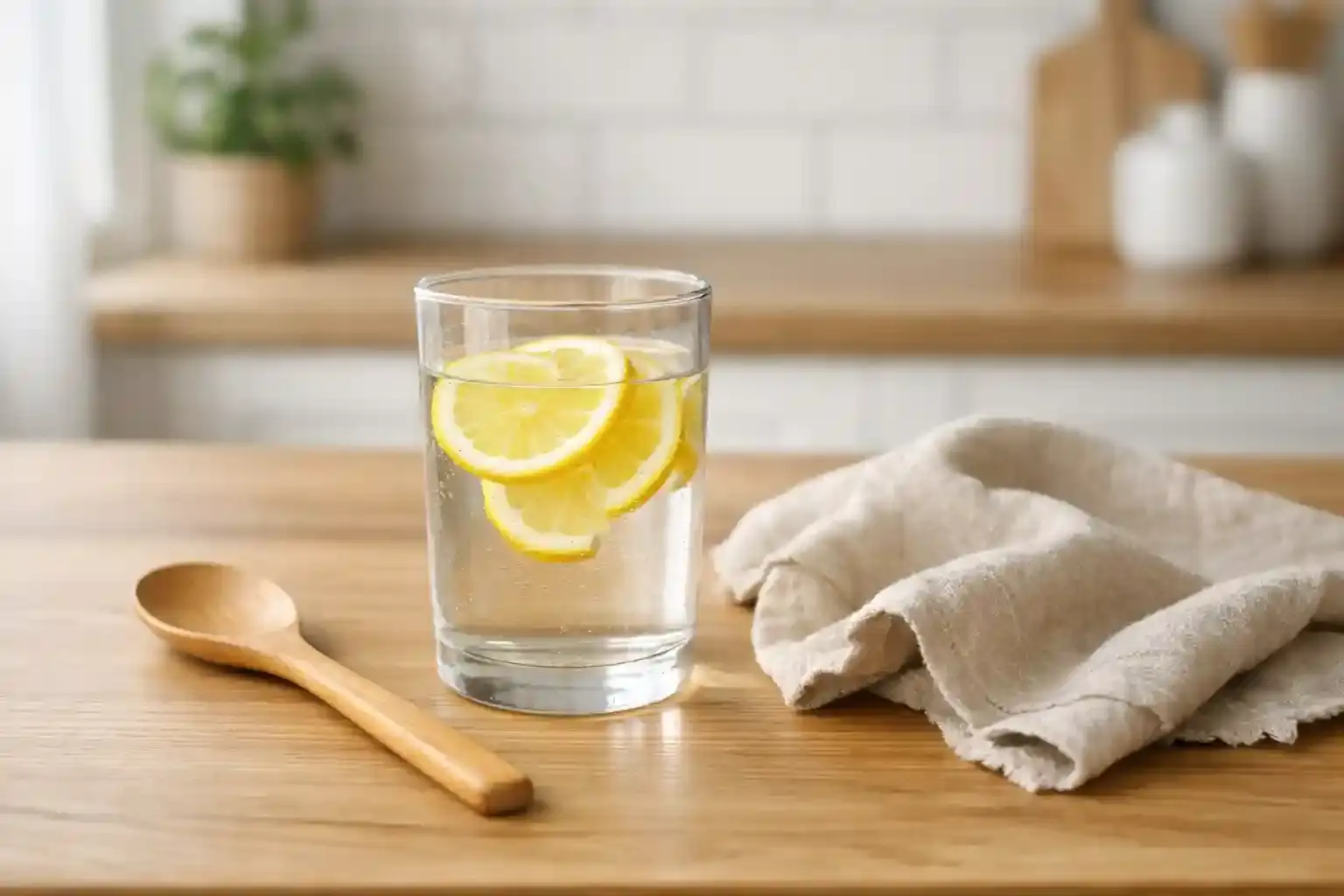
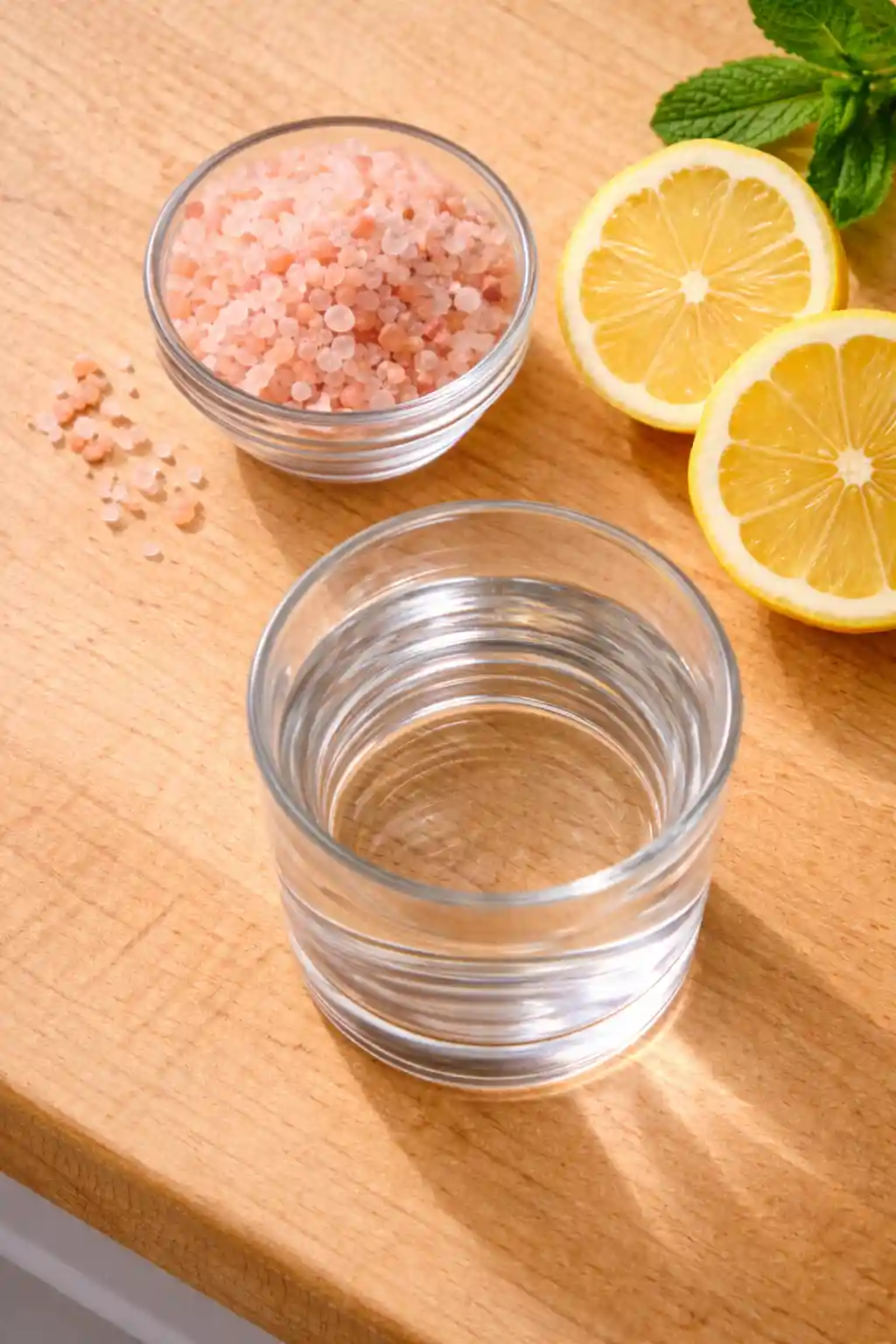
The pink salt weight loss trend involves drinking a blend of Himalayan pink salt dissolved in water, typically consumed in the morning as part of a hydration routine. Some versions include lemon juice or apple cider vinegar, claiming to improve metabolism, digestion, and “detox.” The drink is popular on social media because it feels like a quick, natural reset, but its effects are mostly due to hydration, not fat loss.
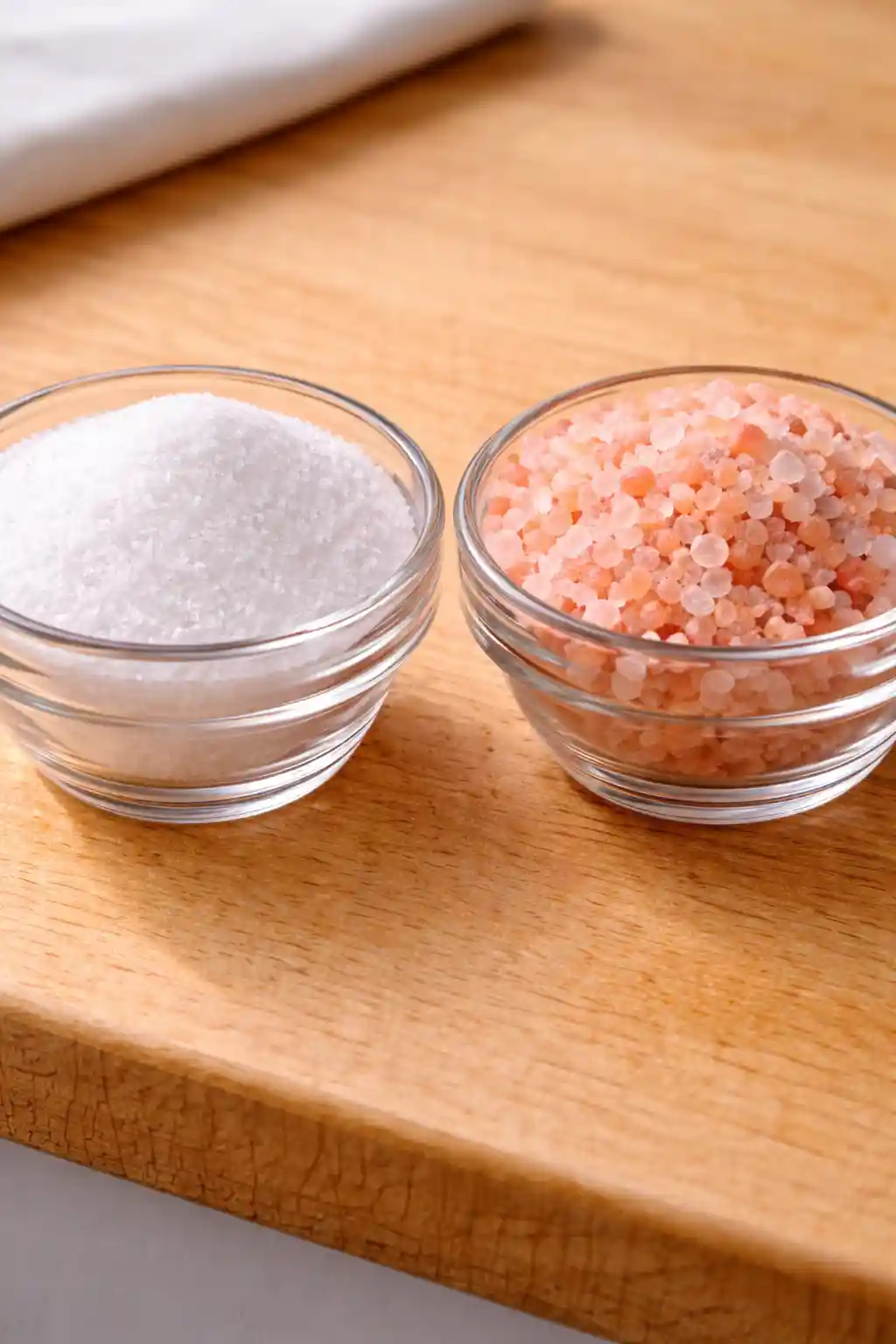
Pink salt itself is a type of mineral-rich rock salt, mined mostly in Pakistan. It contains trace amounts of calcium, potassium, and magnesium, but these are too minimal to change body weight or metabolism. Its pink color comes from iron oxide (a natural mineral pigment), not from any fat-burning property.
Why People Try It
People are drawn to the pink salt trick for several reasons:
- It’s marketed as a simple, natural habit that feels cleaner than supplements or diet pills.
- The act of mixing and drinking it creates a mindful morning ritual, a cue that the day has started in a healthy way.
- Many believe it reduces bloating or water retention; in reality, it may just help the body rebalance fluids after waking up.
- Online videos often pair it with “detox” or “flat belly” language, even though these claims aren’t supported by science.
Common Versions Online
You’ll find a few popular variations across wellness platforms:
- Basic pink salt water: a teaspoon of salt in warm water (sometimes called sole water).
- Lemon + salt drink: adds acidity for flavor and supposed “detox” benefits.
- Japanese pink salt drink: a regional variant mixing warm water, salt, and citrus; shared widely as a “morning metabolism drink.”
Learn more about this variation in the Japanese Pink Salt Weight Loss Drink explainer.
Each version relies on the same principle: drinking water with a small amount of pink salt. While it’s safe for most people in moderation, it does not trigger weight loss on its own, it simply supports hydration, which can help reduce feelings of bloating or fatigue.
Does Pink Salt Actually Help With Weight Loss?
There is no verified scientific evidence showing that pink salt alone leads to weight loss, regardless of what online claims suggest. Scientific analysis indicates that pink Himalayan salt behaves the same as ordinary table salt — it does not speed metabolism, burn fat, or cleanse the body. The small mineral differences between pink and table salt aren’t enough to affect weight, appetite, or energy levels.
Some people report feeling lighter after drinking pink salt water, a sensation likely related to improved hydration rather than fat loss. The effects people feel are largely due to better hydration practices, not to any chemical property of the salt. Drinking water, even when lightly salted, may ease the fluid buildup that occurs overnight, helping the body feel lighter in the morning. Replacing sugary drinks or coffee with water can lower daily calorie intake, which may lead to small, gradual weight changes over time.
Although the pink salt drink doesn’t directly burn fat, it can help maintain a steady hydration routine that supports mindful daily habits.
The Research So Far
- No scientific studies link pink Himalayan salt directly to fat loss.
- Claims about “boosted metabolism” or “detox” effects come mostly from social media, not clinical trials.
- Research on sodium levels shows that high salt intake makes the body hold onto water, resulting in short-term water weight rather than fat accumulation.
- Groups like the CDC and Harvard Health recommend limiting sodium intake to protect cardiovascular and kidney health — not increasing it for unproven detox claims.
To sum up, pink Himalayan salt may look and taste unique, but it functions the same as any other salt — moderation remains essential.
Why It Feels Effective
The quick results people report often stem from improved hydration habits or lifestyle adjustments, not from the salt component:
- More water intake: starting the day hydrated can reduce fatigue and mild bloating.
- Fewer sugary drinks: replacing sweet beverages cuts calories and stabilizes energy levels.
- Morning routine consistency: forming a ritual often creates a sense of control and progress.
- Digestive comfort: warm water can ease the stomach early in the day, which feels like “lightness.”
For most people, these habits, not the pink salt, drive the small changes they notice.
Learn how hydration supports metabolism in the Hydration and Weight Loss explainer.
What Pink Salt Can (and Can’t) Do
Like most wellness trends, the pink salt routine blends a few valid ideas with exaggerated claims. Its trace minerals give pink Himalayan salt a mild taste variation that can make water drinking feel more enjoyable for certain individuals. Scientifically, pink Himalayan salt performs like regular salt — it doesn’t trigger fat burning, boost metabolism, or purify the body.
Pink salt water’s main attraction is its soft flavor and morning ritual, which can motivate people to maintain better hydration habits. However, it does not cause measurable body composition changes or eliminate toxins from the system.
Real Effects
When used sparingly, pink salt may support healthy habits in indirect ways:
- Encourages regular hydration: people tend to drink more when water tastes slightly mineralized.
- Adds trace minerals: such as calcium, potassium, and magnesium, though in very small quantities.
- Supports electrolyte stability: for most individuals, normal sodium intake aids in maintaining fluid balance.
- Improves flavor perception: the color and mild taste make daily hydration routines more appealing.
Common Myths Explained
Online claims often stretch far beyond the facts. Here’s what’s true:
- “It melts fat.” No salt changes fat metabolism; calorie control and movement drive fat loss.
- Claims that pink salt water “detoxes” the body are inaccurate — natural detoxification already occurs through the liver and kidneys
- Claims that pink salt water “boosts metabolism” lack scientific support; at best, better hydration can mildly increase energy levels.
- “It’s superior to table salt.” They’re nearly identical in nutrition, differing mostly in texture and color.
Myth vs Reality Table
To make these differences easy to spot, here’s a quick side-by-side look at the most common claims about pink salt and what research actually shows. Use it as a reality check before assuming any “detox” or “fat-burning” promises.
| Claim | Reality |
|---|---|
| “Pink salt burns fat quickly.” | There’s no proof of fat reduction — any weight change mainly reflects shifts in body water. |
| “It detoxifies the body.” | Natural detoxification occurs through the liver and kidneys, not from drinking salt water. |
| “It speeds up metabolism.” | Unproven; hydration can aid alertness, not metabolic rate. |
| “It’s better than table salt.” | Only the color and taste differ; nutritionally they’re the same. |
For ingredient-level details, visit the Pink Salt Recipe Ingredients explainer to learn how different mineral types appear in common recipes.
Safety & Who Should Avoid It
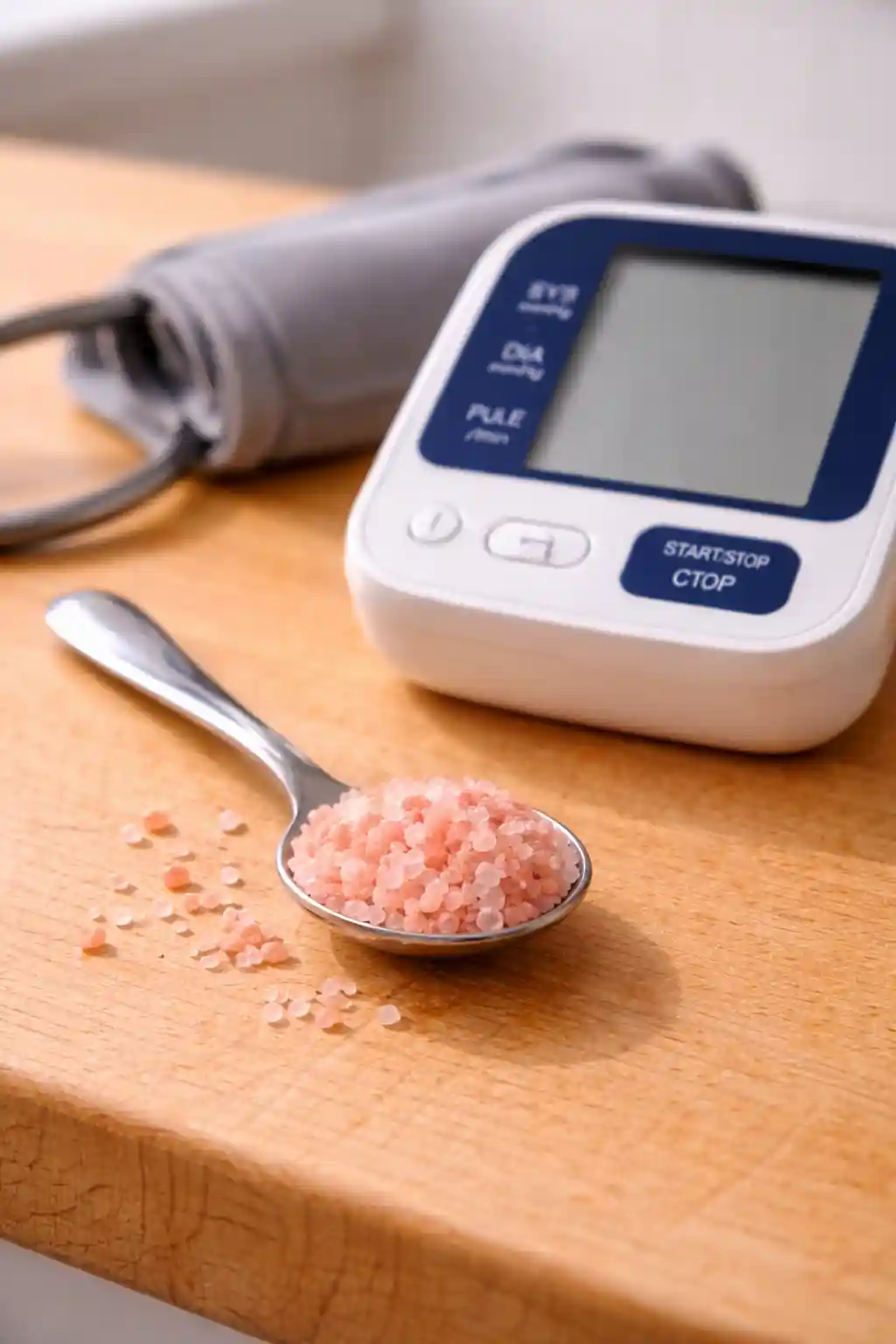
Even natural habits can become risky when misunderstood. While small amounts of pink salt water are safe for most healthy adults, some people should limit or skip this trend. Too much sodium can make the body retain water, raise blood pressure, or strain the kidneys. Understanding your own health needs is the best way to decide whether this routine fits you.
When It May Not Be Safe
Pink salt water contains roughly the same sodium content as table salt. Over time, that can add up quickly.
People who should use extra caution include:
- Anyone with high blood pressure: sodium can increase fluid retention and affect blood vessel health.
- Those with kidney conditions: the kidneys regulate sodium; extra salt can create unnecessary stress.
- Individuals on low-sodium diets: medical plans often limit salt intake for a reason.
- Children and teens: their daily sodium needs are much lower than adults’.
If any of these apply to you, it’s best to skip the pink salt drink and focus on plain or lightly flavored water instead.
Signs You’re Overdoing Sodium
The body gives early hints when salt intake is too high. Common, non-serious signs include:
- Feeling unusually thirsty or bloated after the drink.
- Puffiness in hands or ankles.
- Dry mouth or mild fatigue despite drinking water.
If these symptoms persist, reduce the salt or stop the routine altogether. In most cases, returning to balanced hydration resolves the issue.
Safer Ways to Stay Hydrated
If you like the ritual of a morning drink, there are safe, refreshing alternatives that don’t raise sodium levels:
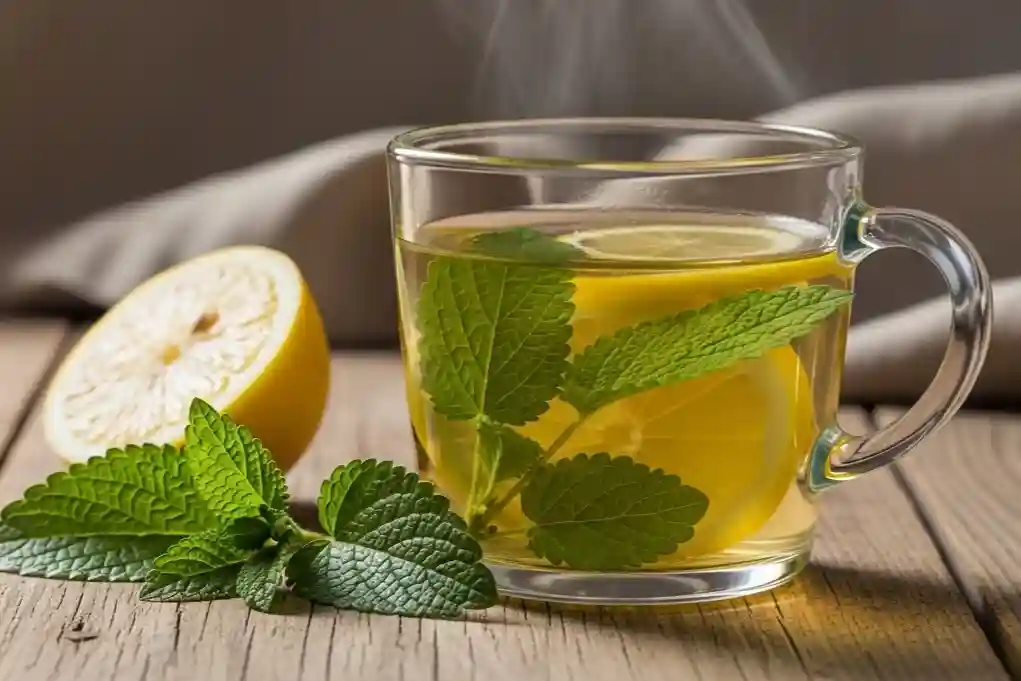
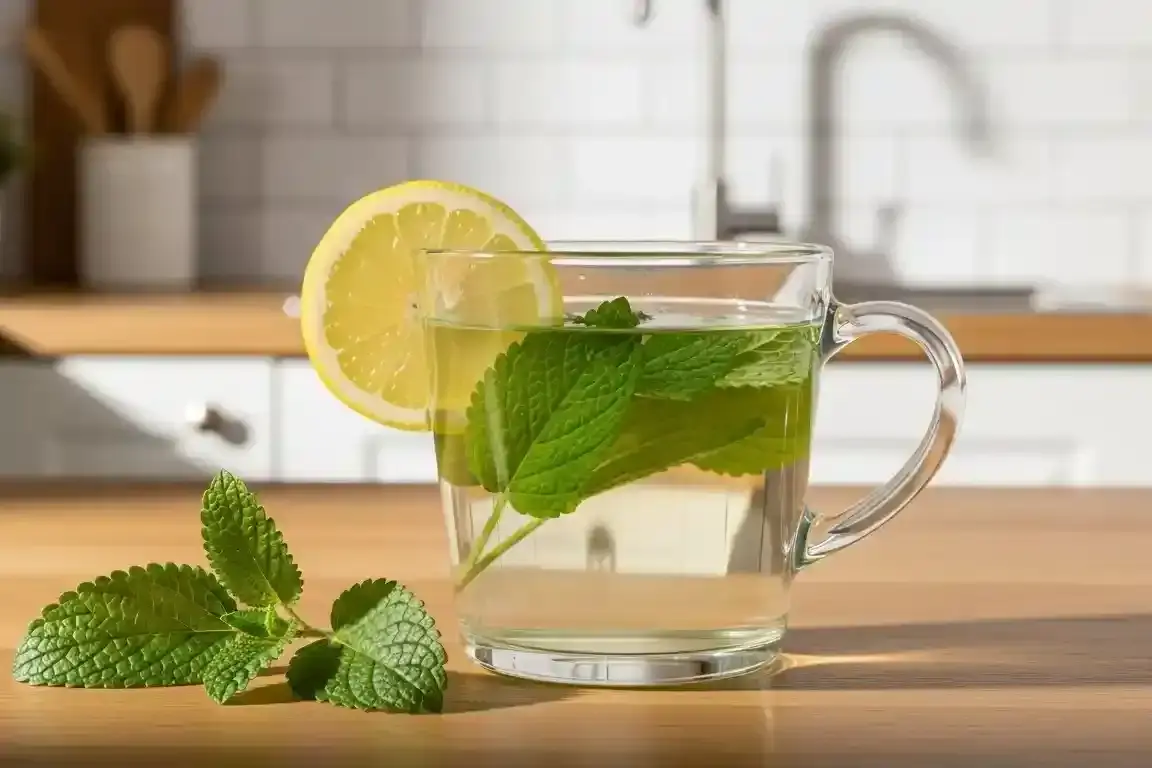
- Add flavor naturally: a squeeze of lemon, cucumber slices, or mint.
- Try mineral water: it provides electrolytes without added sodium.
- Use no-sodium electrolyte powders: ideal after workouts or hot weather.
- Stick with plain water first: the simplest option still works best for most people.
For a deeper look at how to choose effective drinks, explore the Are Weight Loss Drinks Effective explainer.
Morning Ritual Alternatives That Actually Support Weight Loss
The best morning routines aren’t about quick fixes, they’re about steady habits that keep you hydrated, energized, and balanced. If you enjoy the idea of starting your day with a simple drink, there are safer and more effective options than pink salt water. These alternatives support hydration and long-term wellness without unnecessary sodium.
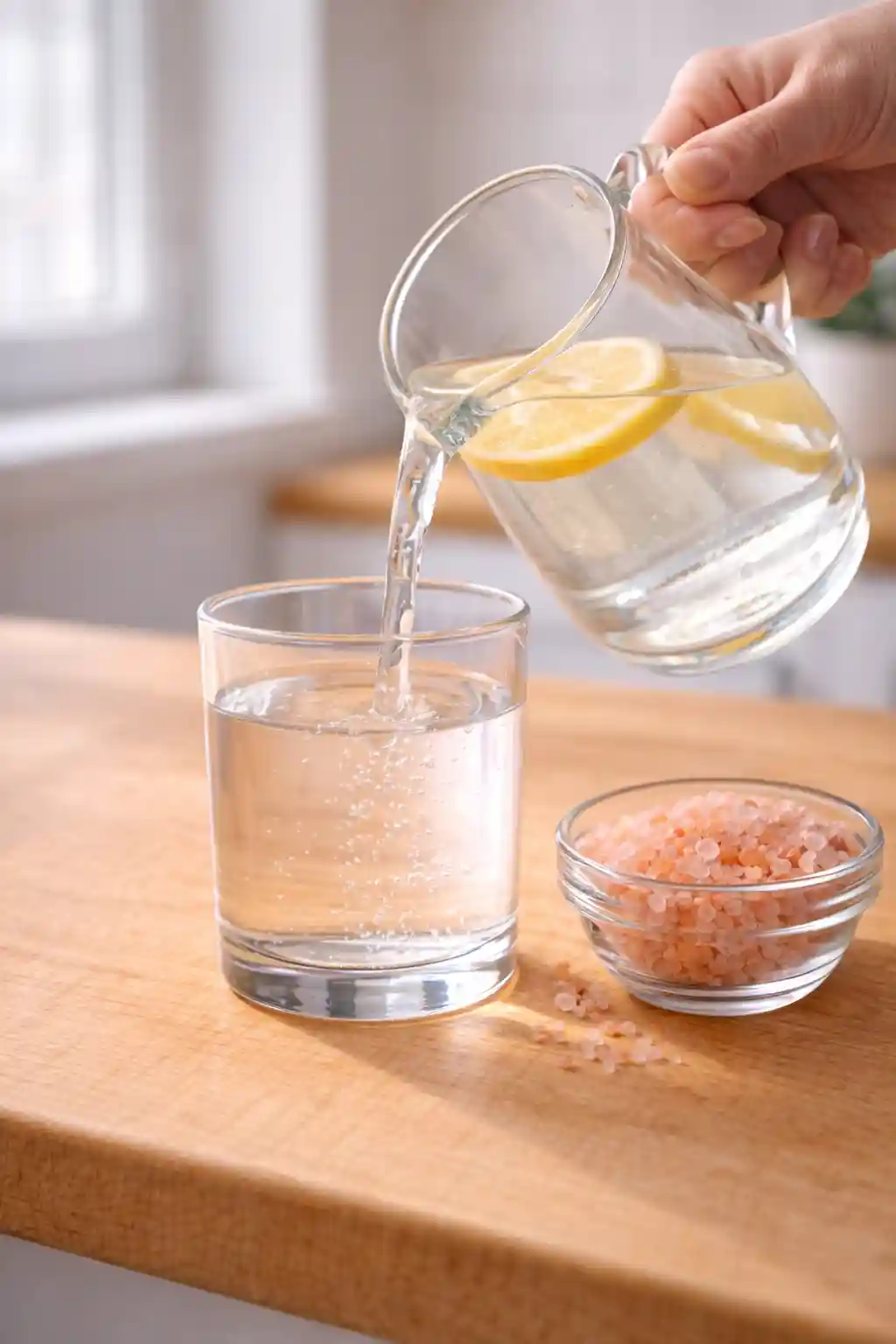
Hydration-First Habits
Starting the morning with water is always a smart move. Try:
- Plain or infused water: add lemon, mint, or cucumber for a light flavor boost.
- Warm water with citrus: soothing for digestion and easy on the stomach.
- Mineral or filtered water: delivers trace electrolytes naturally, no added salt needed.
- Unsweetened herbal tea: provides hydration along with mild warmth and plant-based antioxidants.
Simple hydration first thing in the day helps wake up your body and often curbs hunger, setting a calmer tone for breakfast.
Balanced Start
Instead of chasing quick “fat-burning” drinks, focus on foods that keep you full and steady:
- Protein at breakfast: eggs, Greek yogurt, or nut butter help regulate appetite.
- Fiber-rich choices: oats, fruit, or whole-grain toast add volume and steady energy.
- Avoid excess sugar: too much early sweetness can spike then crash energy levels.
Combining hydration with nutrient-dense foods is far more effective for sustainable weight goals than any salt-based drink.
Long-Term Habits That Work
Weight management depends on patterns, not tricks. Over time, these simple behaviors make the biggest difference:
- Consistent sleep: improves hunger hormones and decision-making.
- Regular movement: walking, stretching, or short strength sessions boost energy and metabolism naturally.
- Stress management: supports mindful eating habits and promotes overall hormonal stability.
- Mindful eating: slowing down supports portion awareness and satisfaction.
For a deeper look at everyday beverage choices, see the Natural Weight Loss Drinks Explained guide.
Hub Navigation
This guide connects to other in-depth pages that explore each part of the pink salt and weight loss conversation. Use these links to learn more about ingredients, hydration science, and safer drink alternatives. Each page opens in the same window for smooth navigation.
| Category | Linked Page | Description |
|---|---|---|
| Recipes & Variants | Pink Salt Weight Loss | Overview of how pink salt drinks are prepared and used for weight goals. |
| Recipes & Variants | Pink Salt Trick Recipe | Learn how people prepare the popular pink salt drink trend safely. |
| Ingredients | Pink Salt Recipe Ingredients | Explore which minerals and ingredients appear in pink salt recipes. |
| Global Version | Japanese Pink Salt Weight Loss Drink | Discover how this Japanese version of the pink salt drink differs from others. |
| Effectiveness Explainer | Are Weight Loss Drinks Effective | Understand how nutrition experts measure drink effectiveness for weight control. |
| Hydration Science | Hydration and Weight Loss | Learn how staying hydrated influences appetite, energy, and metabolism. |
| Natural Alternatives | Natural Weight Loss Drinks Explained | Compare pink salt water with other natural, low-sodium morning drink options. |
| Other Natural Guides | Lemon Balm Weight Loss Guide | Learn about another natural drink guide focused on calm metabolism support. |
| Pillar Home | Pink Salt Weight Loss Guide (current page) | Return to this main overview for safety notes and reliable science. |
7. FAQ – Pink Salt Weight Loss Questions Answered
Is pink salt healthier than regular salt?
Pink salt and table salt are nutritionally very similar. Both supply sodium, which the body needs in small amounts. Pink salt contains trace minerals that slightly change color and taste, but not its health value. The key difference is marketing, not nutrition. The healthiest choice is using any salt sparingly and focusing on whole foods for minerals.
Does pink Himalayan salt boost metabolism?
No clinical research confirms that pink Himalayan salt increases metabolism or burns fat. Its minerals are present in tiny amounts that don’t change energy use. Feeling more alert after drinking pink salt water usually comes from hydration, not metabolic effects.
Can pink salt water reduce bloating?
It might help some people feel less bloated, mainly because drinking more water supports digestion and fluid balance. However, too much sodium can cause the opposite effect: water retention and puffiness. The benefit depends on total daily salt intake and hydration habits.
Who should not consume pink salt?
People with high blood pressure, kidney disease, or heart problems should limit pink salt, just as they limit any sodium source. Those on low-sodium diets or taking certain medications should avoid it unless cleared by a healthcare provider. For everyone else, moderation is key.
Is the pink salt trick safe every day?
A small pinch in a large glass of water is generally safe for healthy adults, but daily use isn’t necessary. Regular water or mineral water offers the same hydration benefits. Anyone with blood pressure, kidney, or heart concerns should avoid adding salt to drinks altogether.
Why do people lose “weight” quickly at first?
Early weight changes after starting pink salt water are often due to shifts in body fluids, not fat loss. Improved hydration can reduce water retention and make the body feel lighter. Real fat loss happens only with sustained calorie balance, movement, and consistent habits.
What actually helps with sustainable weight loss?
Long-term results come from balanced meals, consistent movement, enough sleep, and stress management, not from any single drink or ingredient. Hydration plays a supportive role, but steady routines and realistic goals are what lead to lasting progress.
How We Research & Update
Every article on TastyMillions follows the same editorial process designed to keep our information reliable, neutral, and current.
1. Source selection:
We reference only reputable organizations such as the National Institutes of Health (NIH), Harvard Health Publishing, Mayo Clinic, Cleveland Clinic, and Centers for Disease Control and Prevention (CDC).
Commercial blogs, anecdotal sources, and unverified social content are excluded.
2. Evidence review:
Each claim about pink salt, hydration, or weight management is checked against peer-reviewed research or official dietary guidelines.
When direct studies are unavailable, we summarize the consensus among licensed nutritionists and registered dietitians.
3. Editorial oversight:
Articles are fact-checked and written in collaboration with Nicole [Last Name], our culinary wellness editor, who specializes in accessible nutrition writing for home cooks.
Content is reviewed at least every six months or sooner if new evidence emerges.
4. Transparency & updates:
The publication date and latest revision appear at the top of every article.
Readers can report outdated or unclear information through our contact form, and verified corrections are made within five business days.
References
- Harvard T.H. Chan School of Public Health – Salt and Sodium
Comprehensive review of sodium’s health effects, recommended limits, and current research. - Harvard Health – The Salts of the Earth
Explains that Himalayan and sea salts are not significantly healthier than regular table salt. - Mayo Clinic News Network – Is Himalayan Sea Salt a Healthy Alternative?
Mayo Clinic experts clarify that Himalayan salt is mainly sodium chloride and should be used in moderation. - Mayo Clinic – Sea Salt vs Table Salt
Educational guide comparing table salt and sea salt in composition and health impact. - American Heart Association – Sodium Sources & Health Impact
Details main dietary sodium sources, safe limits, and heart health implications. - Medical News Today – Pink Himalayan Salt: Health Overview
Evidence-based article explaining that pink salt has no proven health advantage over other salts. - Cleveland Clinic – Sole Water: What You Should Know
Clear explanation of what “sole water” is and why its supposed detox benefits lack scientific support.