
Lemon balm (Melissa officinalis) does not cause direct fat loss, but it can support weight-management habits by calming the nervous system, improving sleep, and easing digestion.
These indirect effects may help people reduce stress-related snacking, rest better, and feel lighter, all of which contribute to sustainable progress – as explained throughout this lemon balm weight loss guide.
Key Takeaways
- Lemon balm supports stress and sleep balance, not fat burning.
- Calmer moods and better rest can reduce late-night hunger.
- Gentle digestive support may lessen bloating and water retention.
- Works best alongside balanced diet and hydration.
- Avoid during pregnancy or with thyroid / sedative medication.
What Is Lemon Balm and How It Relates to Weight Loss
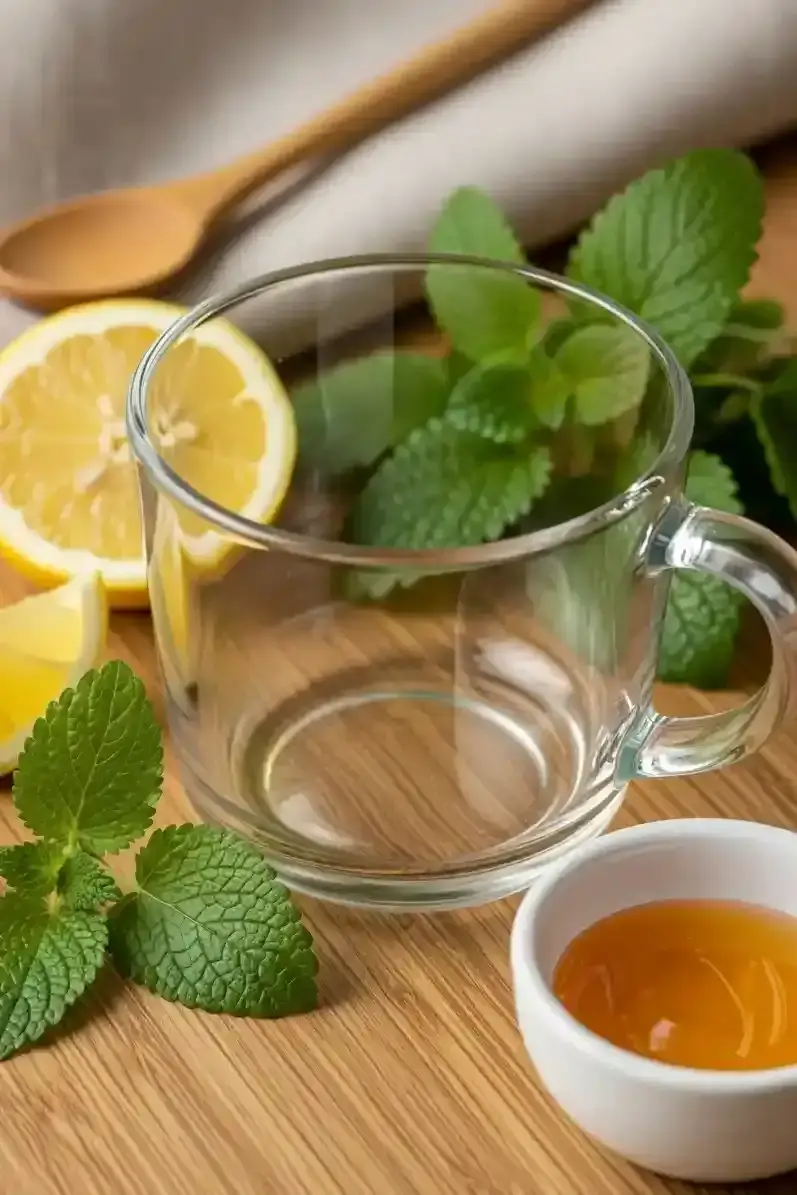
Lemon balm is a fragrant member of the mint family used for centuries in teas and herbal blends. In modern wellness routines, it’s valued for its calming and digestive properties, which can indirectly support weight goals.
Rather than acting as a “fat-burning” ingredient, it helps create a body state more conducive to mindful eating, better sleep, and improved digestion.
Evidence Snapshot
| Potential Effect | Typical Benefit | Evidence Type | Research Strength* |
|---|---|---|---|
| Stress reduction | May lower anxiety and promote calm | Human trials + traditional use | Moderate |
| Better sleep | May improve rest quality and duration | Human trials + traditional use | Moderate |
| Digestive comfort | May ease bloating and mild indigestion | Human trials + animal data | Moderate to Low |
| Direct fat loss | No scientific evidence | N/A | Low / Unsupported |
Based on publicly available summaries from reputable sources (e.g., NIH, Mayo Clinic, PubMed).
In short, lemon balm supports the lifestyle conditions that favor weight control, calmer mood, restful sleep, and gentle digestion, rather than triggering fat metabolism directly.
Does Lemon Balm Help You Lose Weight?
Current evidence shows no direct link between lemon balm and fat reduction.
Instead, its calming and digestive properties may help people manage habits, like stress eating or irregular sleep, that can indirectly affect body weight.
How Lemon Balm Can Support Healthy Weight Habits
Most available studies explore how Melissa officinalis influences mood, rest, and digestion, not metabolism.
When tension drops and rest improves, the body naturally regulates appetite more effectively. Lemon balm’s aromatic compounds, such as rosmarinic acid, may help the body relax and ease mild digestive upset, creating conditions that make balanced eating easier to sustain.
Summary of Research
- Human studies: Participants who consumed lemon balm tea or light extracts reported calmer moods and better sleep patterns, though no body-composition change was measured.
- Animal research: Some findings mention digestive enzyme activity, but these results have not been verified in humans.
- Conclusion: Lemon balm encourages comfort and calmness, which can complement but never replace healthy lifestyle practices.
Myth vs Fact
| Myth | Fact |
|---|---|
| “Lemon balm doesn’t directly reduce belly fat.” | Current research does not demonstrate that lemon balm affects fat storage or abdominal weight. Its known benefits relate mainly to relaxation and gentle digestive comfort. |
| “Lemon balm works like weight-loss medication.” | Some blogs make this comparison, but lemon balm does not act on GLP-1 or insulin systems. It simply helps the body unwind, which may reduce emotional snacking. |
| “Drinking lemon balm tea melts fat.” | Tea can aid hydration and stress control, yet lasting weight management still depends on balanced nutrition and regular activity. |
Key Insight
Lemon balm supports weight management indirectly by improving comfort, rest, and calm, not by altering metabolism. It can be a relaxing part of a broader, evidence-based routine for well-being.
How Lemon Balm Supports Weight Goals Indirectly
Lemon balm doesn’t change metabolism or burn calories.
Instead, it supports conditions that make healthy habits easier to maintain, such as lower stress, better sleep, and smoother digestion, three factors often linked to eating balance and comfort.
Stress and Cravings
Chronic stress can raise cortisol levels, increasing hunger and cravings for high-sugar foods. Lemon balm contains natural compounds like rosmarinic acid that appear to help calm the nervous system.
Its calming effect may help limit stress-related snacking.
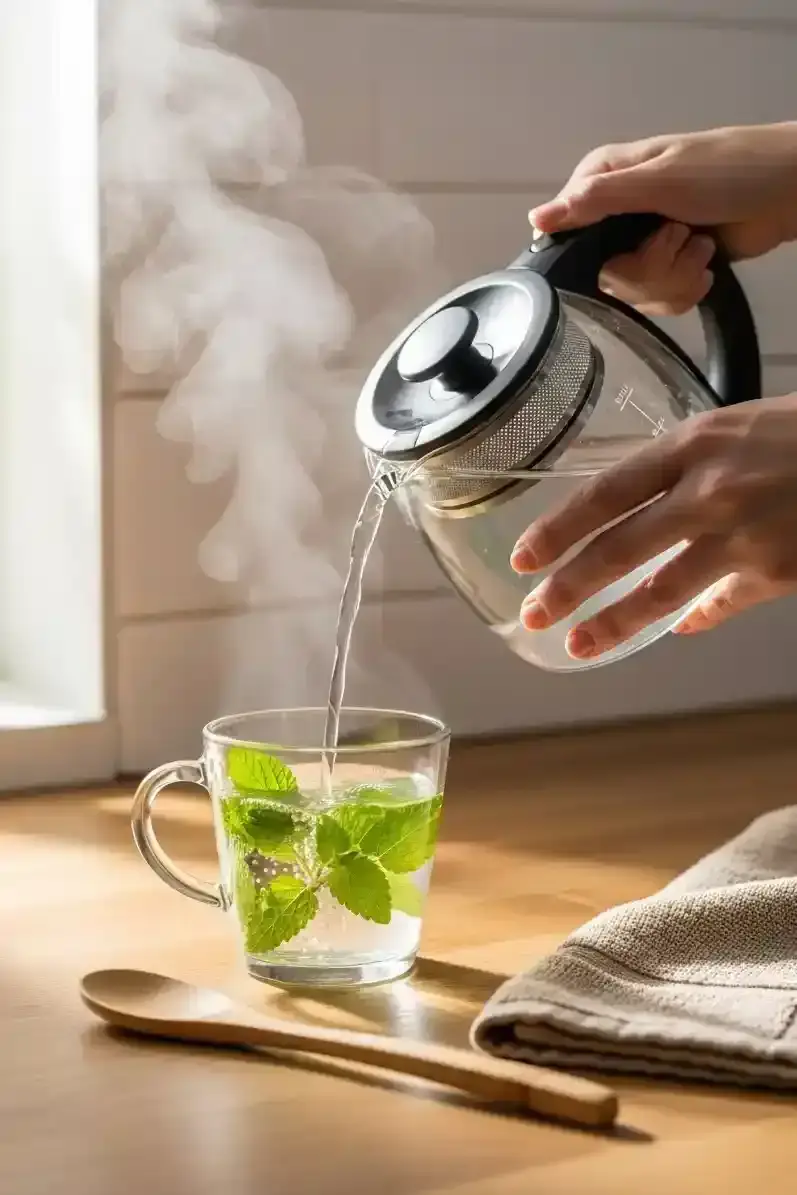
A warm lemon balm tea in the evening can become a mindful ritual, offering relaxation instead of reaching for snacks.
Sleep and Hunger Signals
Restful sleep plays a key role in appetite regulation. Poor sleep can disrupt hormones like ghrelin and leptin, which regulate appetite.
Several small studies suggest that lemon balm tea, especially when paired with herbs like chamomile, can improve relaxation and overall sleep quality.
Better sleep may help people maintain steadier hunger cues and avoid overeating the next day.
Digestion and Feeling Lighter
Lemon balm also acts as a gentle digestive aid. It can help relieve mild bloating or discomfort after meals, supporting a feeling of lightness.
Some users find that drinking lemon balm tea or infused water after eating encourages mindful digestion.
While this doesn’t cause measurable fat loss, it can reduce temporary water retention and improve overall well-being.
Quick Summary Table
| Support Area | How It Helps | Type of Evidence |
|---|---|---|
| Stress & Cravings | Helps support relaxation and may ease stress eating. | Human trials + traditional use |
| Sleep & Hormones | Improves sleep quality; supports balanced hunger cues. | Human studies + observational data |
| Digestion & Bloating | Eases mild digestive discomfort and supports overall gut comfort. | Human & animal studies |
Key Insight
The power of lemon balm lies not in metabolism change, but in its ability to help the body and mind stay balanced through a calmer mood, better rest, easier digestion.
These benefits make it a gentle companion to long-term, sustainable weight goals.
Best Ways to Use Lemon Balm
Lemon balm can be enjoyed as a tea, infused water, smoothie, or gentle supplement.
For most people, drinking it as a tea or infusion is the safest and simplest way to benefit from its calming and digestive effects.
Lemon Balm Tea (Daily Relaxation Ritual)
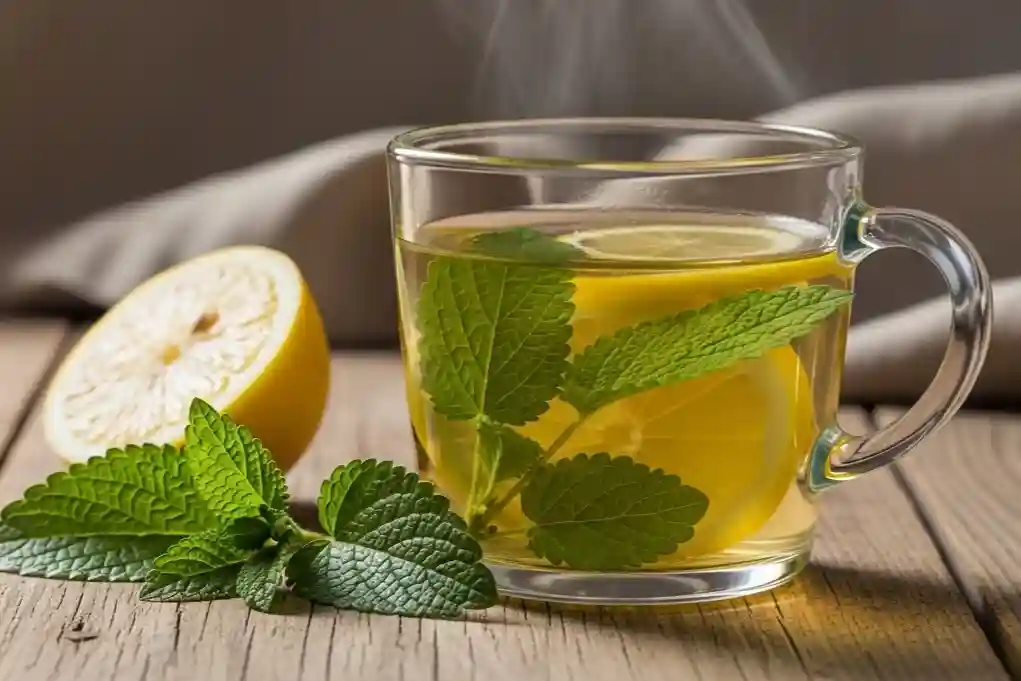
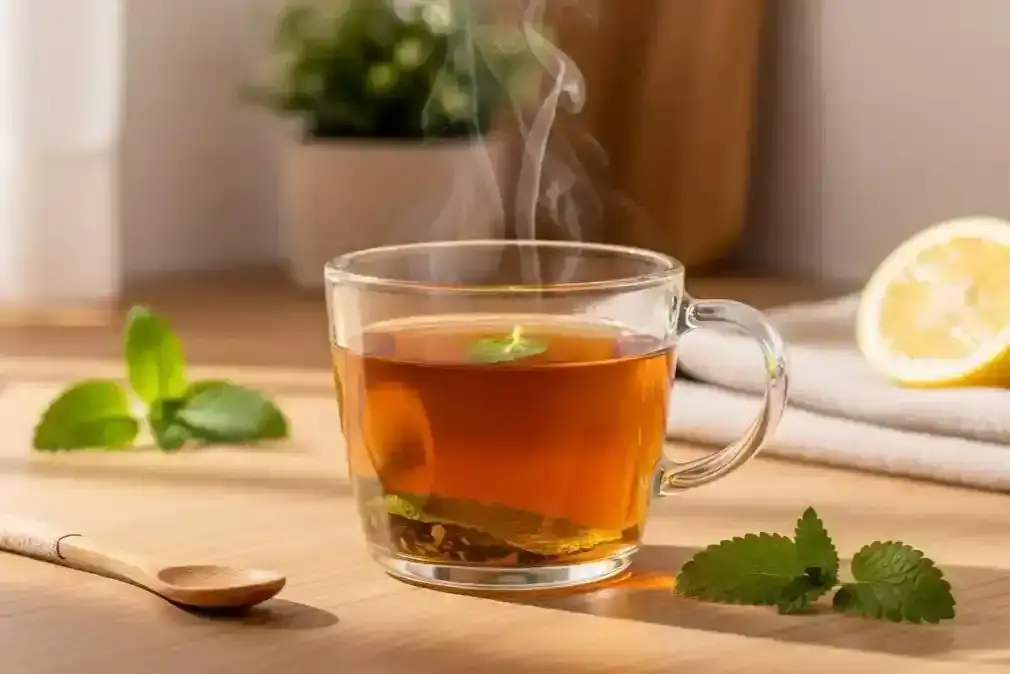
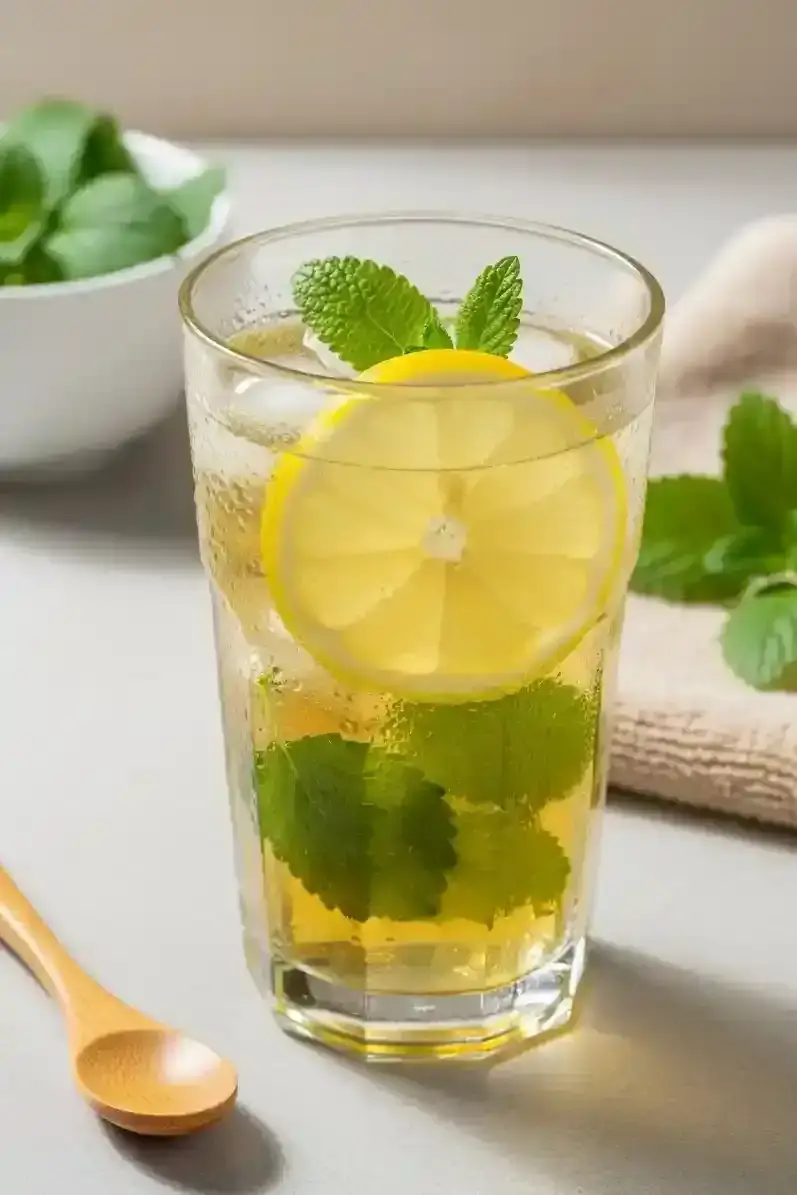
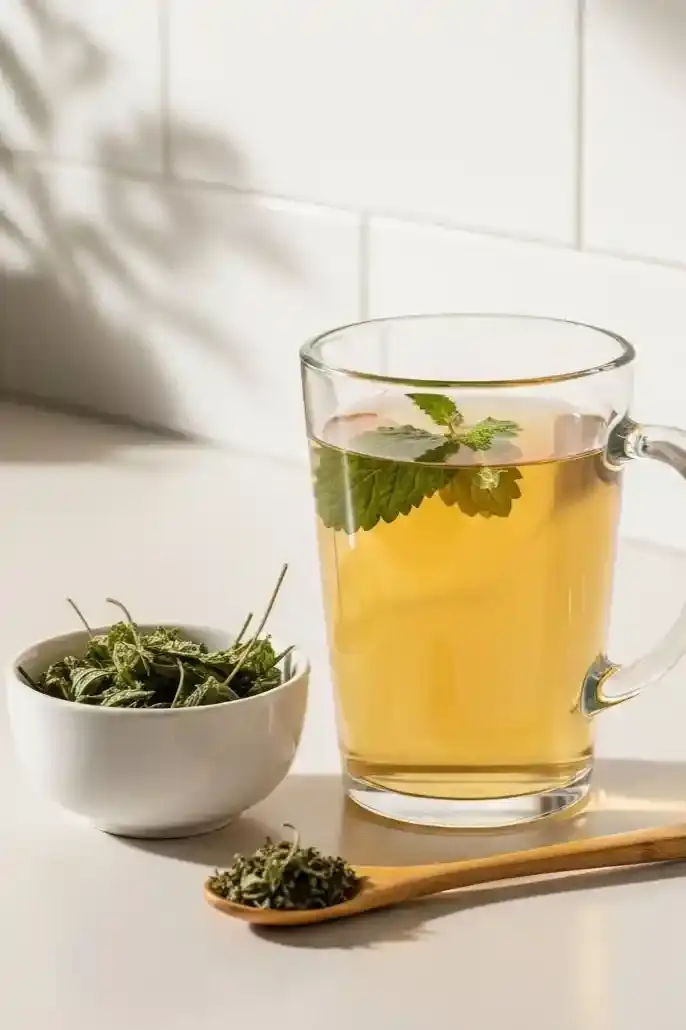
A classic way to use lemon balm is by steeping 1–2 grams of dried leaves per cup in hot water for about 10 minutes.
This gentle tea supports relaxation and can replace sugary evening drinks.
It’s best consumed warm, 1–3 times daily, especially before bedtime to encourage calm.
For full recipe details, visit the lemon balm drink recipe for weight loss page, which includes step-by-step guidance, preparation tips, and serving suggestions tested in the TastyMillions kitchen.
Lemon Balm Detox Water or Cold Infusion
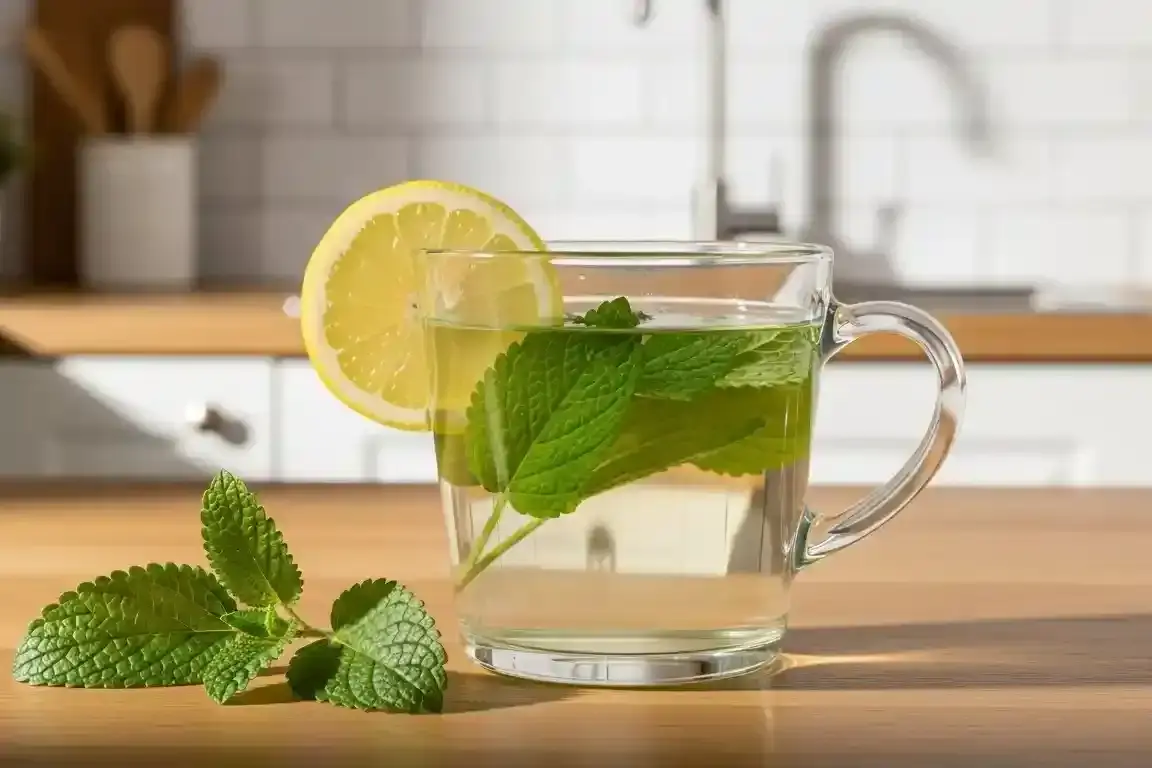
Infusing lemon balm leaves in cold water creates a refreshing drink that helps with hydration, a key element of weight balance.
Add a few fresh leaves or a small scoop of dried herb to a large water bottle and refrigerate overnight.
This method is calorie-free, easy to prepare, and supports hydration habits rather than promoting direct fat loss.
Smoothies or Mocktails
Lemon balm can add a mild citrus-mint note to homemade smoothies or non-alcoholic mocktails.
It blends well with refreshing ingredients like cucumber, mint, or green tea.
These blends help increase fluid intake and can be enjoyed in the morning or after workouts.
(See practical ideas in your dedicated recipe cluster.)
Supplements or Extracts
Lemon balm capsules and tinctures exist, but they should be used cautiously.
Some concentrated forms may interact with thyroid medications or sedatives.
Whenever possible, start with food-based forms such as teas or infusions.
For safety notes and possible interactions, see benefits of lemon balm for weight management, where you’ll find expert-reviewed insights and medical-source citations.
Quick Reference Table
| Form | How to Use | When to Use | Best For |
|---|---|---|---|
| Tea | 1–2 g leaves per cup; steep 10 min | Evening or mid-afternoon | Relaxation and calm appetite |
| Cold Infusion | Soak fresh leaves in cold water overnight | Throughout the day | Hydration and gentle refreshment |
| Smoothie / Mocktail | Blend with fruit or herbal teas | Morning or post-workout | Hydration and variety |
| Supplement / Extract | Use under professional guidance | As advised by a doctor | Convenient but higher interaction risk |
Key Insight
For most readers, tea and infusions remain the safest, simplest, and most natural way to include lemon balm in a weight-friendly routine.
Supplements should only be considered if recommended by a qualified health professional.
Safety and Precautions
Lemon balm is considered safe for most healthy adults when used in tea or food amounts.
However, people who are pregnant, breastfeeding, or taking specific medications, especially for thyroid or sleep, should consult a healthcare provider before use.
Who Should Avoid Lemon Balm (or Use Caution)
| Caution Group | Why It Matters | Safer Alternative or Tip |
|---|---|---|
| People on thyroid medication (e.g., hypothyroidism) | Lemon balm may reduce thyroid hormone activity in high doses. | Discuss with your doctor before adding frequent herbal teas. |
| People taking sedatives or sleep aids | Lemon balm has mild calming effects that could intensify drowsiness. | Try half portions of tea first; avoid combining with other relaxants. |
| Pregnant or breastfeeding individuals | There is not enough research to confirm safety during pregnancy or lactation. | Use only food-level amounts (small culinary infusions). |
| People with allergies to mint family plants | Lemon balm is part of the Lamiaceae family (mint, basil, oregano). | Test small amounts first or consult an allergist. |
Common Side Effects (Rare and Usually Mild)
- Drowsiness or calmness stronger than expected.
- Mild nausea or stomach discomfort if consumed in large amounts.
- Possible skin irritation when handling concentrated extracts.
Safe Daily Amounts
Most herbal sources indicate that 1–3 cups of lemon balm tea per day is well tolerated.
Avoid concentrated supplements unless recommended by a healthcare professional.
For more detailed information on lemon balm’s safety and interactions, see the research section of this guide or consult a licensed healthcare provider.
Key Insight
When enjoyed moderately, lemon balm is a safe and soothing addition to daily wellness habits.
As with any herb, balance and awareness matter more than frequency, especially if you take medications or have existing conditions.
Hub Navigation
To explore more about lemon balm and related wellness drinks, here’s the complete internal guide map.
Each resource focuses on a distinct intent, recipes, science, or explainers, to help you find the right information quickly.
| Intent Type | Cluster Link | What You’ll Find There |
|---|---|---|
| Recipe | Lemon balm drink recipe for weight loss | Step-by-step preparation, steeping time, and serving ideas tested by Nicole in the TastyMillions kitchen. |
| Trust / Research | Lemon balm weight loss benefits | Evidence-based insights, expert commentary, and safety facts on how lemon balm supports wellness. |
| Explainer | Are weight loss drinks effective? | A clear explanation of what science says about drink-based routines and sustainable expectations. |
| Explainer | Hydration and weight loss | How hydration affects digestion, metabolism, and overall weight balance. |
| Summary / Perspective | Natural weight loss drinks explained | Overview of herbal drinks like lemon balm, green tea, and ginger, showing how each fits into a balanced lifestyle. |
Navigation Tip
Each resource serves a distinct role: recipes for practice, research for credibility, and explainers for context.
Together, they create a clear, trustworthy learning path across the TastyMillions Weight Loss Drinks hub.
FAQs About Lemon Balm and Weight Loss
Does lemon balm help with weight loss?
There is no evidence that lemon balm directly burns fat or speeds up metabolism.
Still, it may help indirectly by promoting relaxation, better rest, and smoother digestion.
These effects can support healthy eating patterns and reduce habits linked to stress or fatigue.
Is lemon balm as effective as Ozempic for weight loss?
Lemon balm and GLP-1 medicines such as Ozempic work in completely different ways.
Lemon balm has natural calming properties that may ease cravings caused by stress, but it does not affect insulin or appetite hormones.
Anyone using prescription treatments should always follow medical guidance rather than replacing them with herbs.
What is the strongest herb for weight loss?
No herb alone can produce significant weight loss.
Some, like green tea, ginger, or lemon balm, may contribute to a balanced routine by supporting hydration, energy, or digestion.
Real and lasting progress depends on daily nutrition, movement, and consistency over time.
How do you make lemon balm tea for digestion or lightness?
Use one or two teaspoons of dried lemon balm leaves for each cup of hot water.
Let it steep for around ten minutes before drinking.
Enjoying this mild tea after meals can help you relax and feel comfortable, especially when paired with mindful eating habits.
When is the best time to drink lemon balm tea for weight balance?
Lemon balm tea can be enjoyed in the morning to replace sugary drinks or in the evening to encourage calm before sleep.
The exact time matters less than consistency and moderation.
Most people find one to three cups a day sufficient to enjoy its soothing effects.
Can any drink flatten the stomach in just a few days?
No single drink can change body shape within days.
The feeling of a flatter stomach often comes from good hydration, lighter meals, and steady digestion.
Herbal teas such as lemon balm or mint can help reduce bloating when part of a healthy lifestyle.
FAQ Summary
These responses reflect current research and safe wellness practices.
Lemon balm can be a relaxing part of a healthy daily routine, but true balance comes from sustainable habits, not quick fixes.
Safety & Responsibility
Lemon balm can be a safe and calming addition to daily habits when used moderately.
However, herbal drinks are not medical treatments, and their effects vary from person to person.
Anyone with health conditions, medication use, or pregnancy should always seek professional guidance before making regular use of herbal products.
Our Approach to Safe Wellness Content
At TastyMillions, every wellness article follows clear safety standards.
We prioritize evidence from recognized U.S. institutions such as the National Institutes of Health (NIH), the Mayo Clinic, and the U.S. Department of Agriculture (USDA).
Before any recipe or guide is published, it is reviewed to ensure claims are neutral, educational, and not positioned as medical advice.
This approach helps readers make informed, responsible choices.
When to Consult a Health Professional
Readers should consult a doctor, dietitian, or licensed herbalist if they:
- take prescription medication (especially thyroid or sedative drugs);
- are pregnant or breastfeeding;
- have chronic conditions such as diabetes or hypertension;
- experience unexpected symptoms after consuming herbal teas.
These steps are essential for adapting herbal wellness safely to personal needs.
Responsible Use Reminder
Wellness progress comes from steady, balanced habits, not from a single ingredient or drink.
Herbal remedies such as lemon balm can support comfort, rest, and calm, but long-term results depend on consistent lifestyle and nutrition patterns.
Key Insight
Responsibility in wellness means curiosity and caution go together.
Enjoy lemon balm as part of mindful living, always staying aware of your own body and seeking guidance when needed.
How We Research & Update
Editorial Process
Each article published on TastyMillions follows a structured editorial process.
Our research begins with verified information from academic databases, public health agencies, and major U.S. medical organizations such as the NIH, Harvard Health, and the Cleveland Clinic.
Every claim about herbs, drinks, or nutrition is reviewed to ensure it reflects the most recent scientific understanding.
No article is written using unverified social media trends or anecdotal claims.
Updating and Fact-Checking
All wellness and recipe guides are reviewed at least twice a year.
When new evidence or studies appear, our team updates the article to reflect the most accurate, neutral, and safe information.
Each update includes:
- review of new scientific publications or meta-analyses;
- verification of health-related terms and risk factors;
- confirmation that all links and references remain active and relevant.
If a section is updated, the publication date at the top of the article is refreshed for transparency.
About Our Editorial Voice
TastyMillions combines creative home cooking with practical wellness knowledge.
Nicole and the editorial team write from experience in recipe development and nutrition communication, not from medical authority.
Our goal is to explain ingredients and habits clearly, helping readers make confident, informed choices without overpromising results.
How Readers Can Engage
Readers are invited to share feedback through the contact form or comments on TastyMillions.
If you notice outdated information or unclear language, please let us know, your feedback helps us maintain accurate, trustworthy content for the community.
Key Insight
Transparency builds trust.
By showing how and why our content evolves, we help readers see wellness not as a quick trend but as an ongoing, evidence-informed lifestyle practice.
References
All sources listed below are from reputable medical, academic, or governmental organizations.
They were reviewed to ensure accuracy, accessibility, and compliance with the latest YMYL content standards.
- Lemon Balm – LiverTox (NCBI / NIH): A clinical profile on Melissa officinalis, covering safety, pharmacology, and traditional use.
- Herbal Treatment for Anxiety: Is It Effective? (Mayo Clinic): Explains how herbs such as lemon balm may support relaxation without replacing prescribed treatments.
- 6 Benefits of Lemon Balm (Cleveland Clinic): Reviews evidence-based benefits of lemon balm, including effects on digestion, stress, and sleep.
- Clinical Efficacy and Tolerability of Lemon Balm (PMC / NIH): Peer-reviewed study examining lemon balm’s role in reducing anxiety and improving sleep quality.
- Toxicological Safety Evaluation of Lemon Balm Extract (PubMed): Research assessing the safety and non-genotoxic nature of lemon balm extracts in experimental models.
- Lemon Balm: Uses, Benefits & Dosage (Drugs.com): Summary of general dosage information, safety notes, contraindications, and possible interactions.
- Lemon Balm (Wikipedia): General encyclopedic reference for botanical background and historical context.
Editorial Transparency Note
All references are cited for educational and informational purposes only.
They do not imply endorsement or replace individualized medical consultation.
Each source was last verified in January 2026 for accessibility and accuracy.