
Weight-loss drinks can be part of a healthy plan, but they’re not miracle solutions.
Their effectiveness depends on how they fit within your overall calorie balance and hydration habits. This relationship defines weight loss drinks effectiveness, which varies from person to person.
According to Harvard Health, drinking water before meals can modestly reduce calorie intake by promoting fullness.
Replacing sugary or high-calorie beverages with low- or zero-calorie options supports small but measurable changes in weight over time. Functional blends such as the drinks in our Pink Salt Weight Loss Guide and calming herbal infusions from the Lemon Balm Weight Loss Guide may help improve hydration and mindful habits, yet no drink alone causes fat loss. Sustainable progress comes from balanced eating, daily movement, and consistent hydration.
Key Takeaways
- “Weight-loss drinks” include water, tea, protein shakes, and smoothies, none directly burn fat.
- The main benefit is replacing sugary drinks with lower-calorie alternatives.
- Water remains the most reliable and affordable option for appetite control.
- “Detox” or “fat-burn” claims lack credible scientific support.
- Effectiveness depends on calorie control, hydration, and long-term consistency.
- Always check labels for added sugar, caffeine, and unnecessary ingredients.
- Combine evidence-based beverages with balanced meals for safe, lasting results.
What “Weight Loss Drinks“ Actually Means
The term “weight-loss drinks” is often used loosely, yet it covers very different beverages. Understanding what each type actually does can prevent confusion, and disappointment.
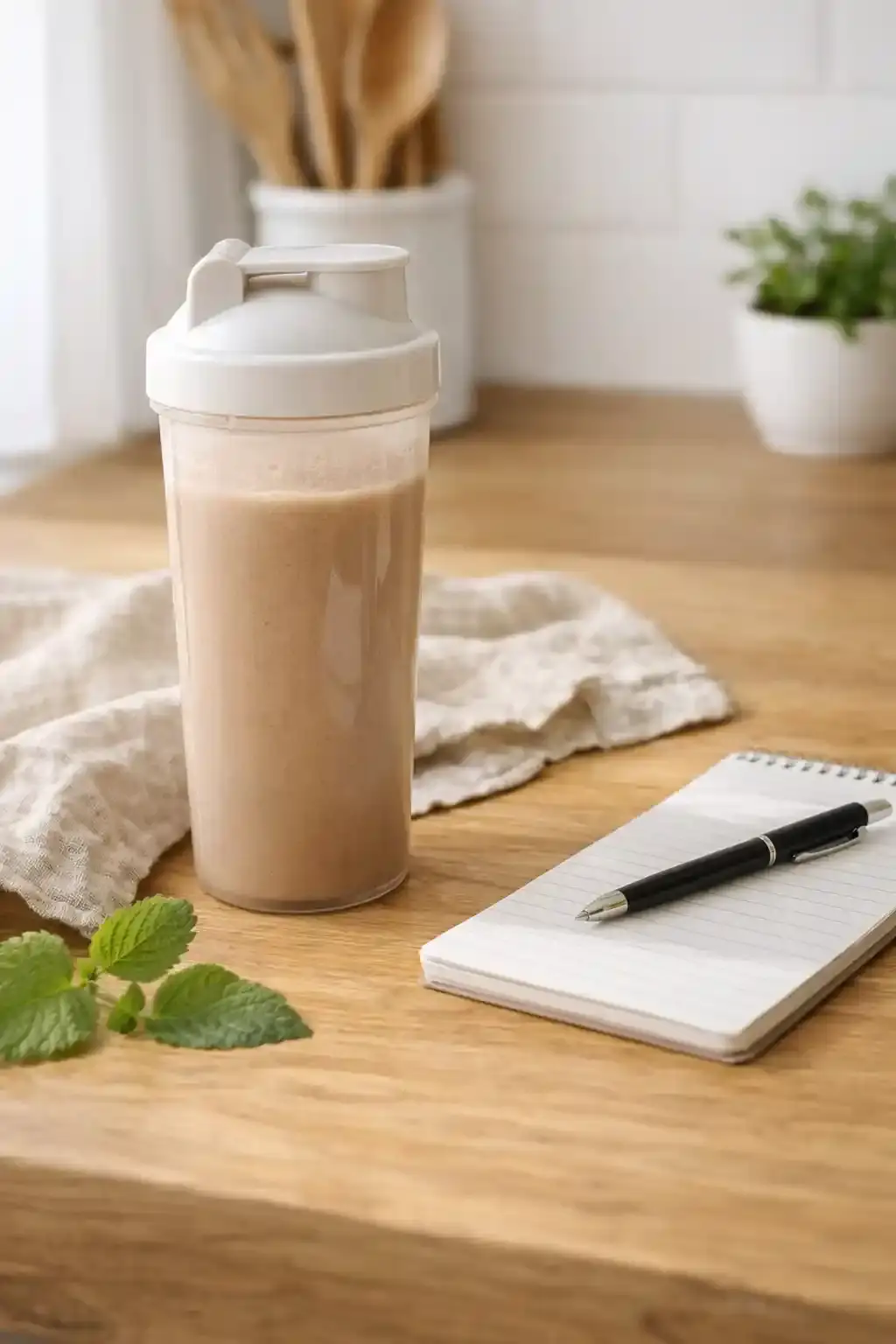
Meal-Replacement Shakes
These drinks substitute one meal and are designed to deliver protein, fiber, and key nutrients at controlled calories.
A clinical trial published in the American Journal of Clinical Nutrition found that replacing one daily meal with a calorie-controlled shake led to modest, sustainable weight loss over six months (National Library of Medicine summary).
Still, long-term success depends on portion awareness and maintaining total daily nutrition.
Low- or Zero-Calorie Drinks
This group includes water, sparkling water, unsweetened tea, black coffee, and diet beverages.
The Centers for Disease Control and Prevention (CDC) notes that replacing sugar-sweetened drinks with water or unsweetened options can meaningfully reduce calorie intake.
Hydration also supports digestion and satiety, helping control appetite naturally.
“Metabolism” or Detox Drinks
These products promise to burn fat or flush toxins.
No credible evidence supports those claims. The same CHOICE clinical trial above showed that the benefit of switching drinks comes solely from reducing calories, not from any “detox” mechanism.
In other words, a detox drink isn’t magic, it’s usually just lower in calories than soda.
Protein Smoothies
Homemade smoothies can support balanced nutrition when portioned properly.
Combining protein (such as yogurt or nut butter) with fiber (fruits or oats) promotes fullness, but over-loading them with syrups or sweetened powders turns them into calorie bombs.
They work best as part of an overall eating plan, not as a stand-alone “weight-loss trick.”
Defining “Effective“ in Real Terms
In evidence-based nutrition, effective means helping someone maintain a calorie deficit safely and sustainably.
That usually happens when a drink:
- replaces a higher-calorie option,
- increases fullness before meals, or
- improves hydration and reduces cravings.
The CDC emphasizes that water and unsweetened beverages remain the foundation of any healthy weight plan.
The goal isn’t to find a miracle liquid, it’s to make small, consistent swaps that reduce calories without sacrificing satisfaction.
Evidence Scoreboard – Do They Work?
Not all weight-loss drinks perform the same. Some have measurable evidence behind them, while others rely on marketing hype. The table below summarizes what the research shows about common types of drinks and their likely effects on weight management.
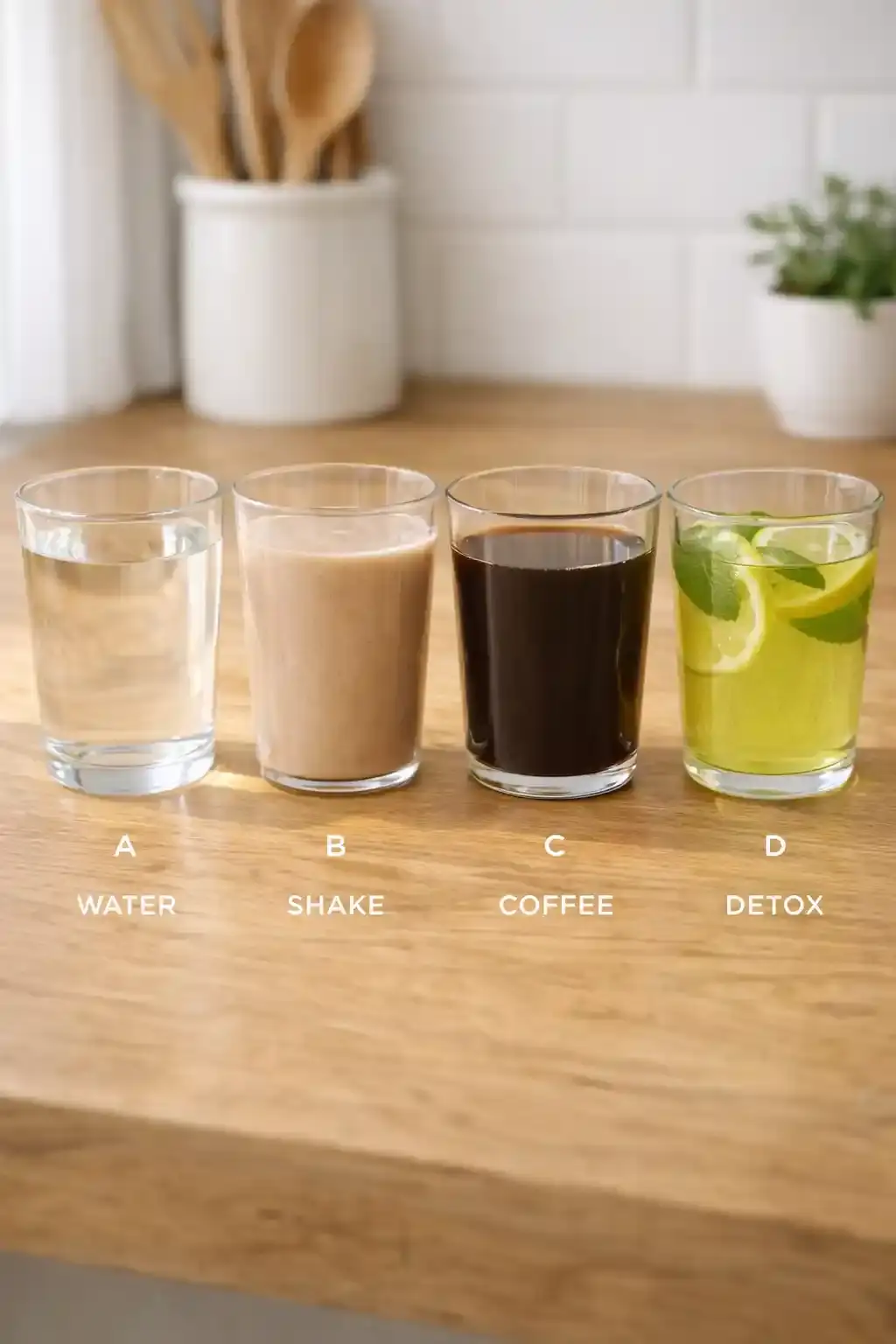
| Drink Type | Claimed Mechanism | Evidence Grade (A–D) | Typical Impact | Best For | Watch-Outs |
|---|---|---|---|---|---|
| Water | Increases fullness before meals; replaces sugary drinks | A | Modest calorie reduction (~1–2 lb in 8–12 weeks) | Everyone | None |
| Meal-replacement shakes | Control portions and reduce total calories | B | 3–4 % weight reduction over 6 months | Busy adults seeking structure | Over-restriction or skipping solid foods |
| Green tea / coffee / caffeine drinks | Mild thermogenic or appetite-suppressing effect | C | Tiny short-term calorie use increase; effect fades | Coffee & tea drinkers | Sleep disturbance; heart-rate sensitivity |
| Detox / “fat-burning” drinks | Marketed to flush toxins or burn fat | D | No proven benefit; sometimes harmful additives | None | Unregulated supplements; dehydration |
How to Read the Grades
- A = Strong evidence from multiple human studies showing measurable, safe effects.
- B = Moderate evidence, works for some when used correctly.
- C = Weak evidence, short-term or small effects only.
- D = No credible evidence, mostly marketing claims.
Key Insights
- Water remains the most evidence-supported choice for weight control, especially before meals (pre-meal water study).
- Meal-replacement shakes show moderate success when calories are monitored, but results fade without broader lifestyle change.
- Caffeinated drinks can give a minor metabolic boost, yet their impact is small and temporary.
- Detox beverages offer no clinical proof of fat loss; focus on hydration and balanced meals instead.
Marketing Myths and Red Flags
When it comes to weight-loss drinks, marketing often turns simple nutrition ideas into dramatic promises.
Understanding how to separate facts from fiction can help you make safer, smarter choices.
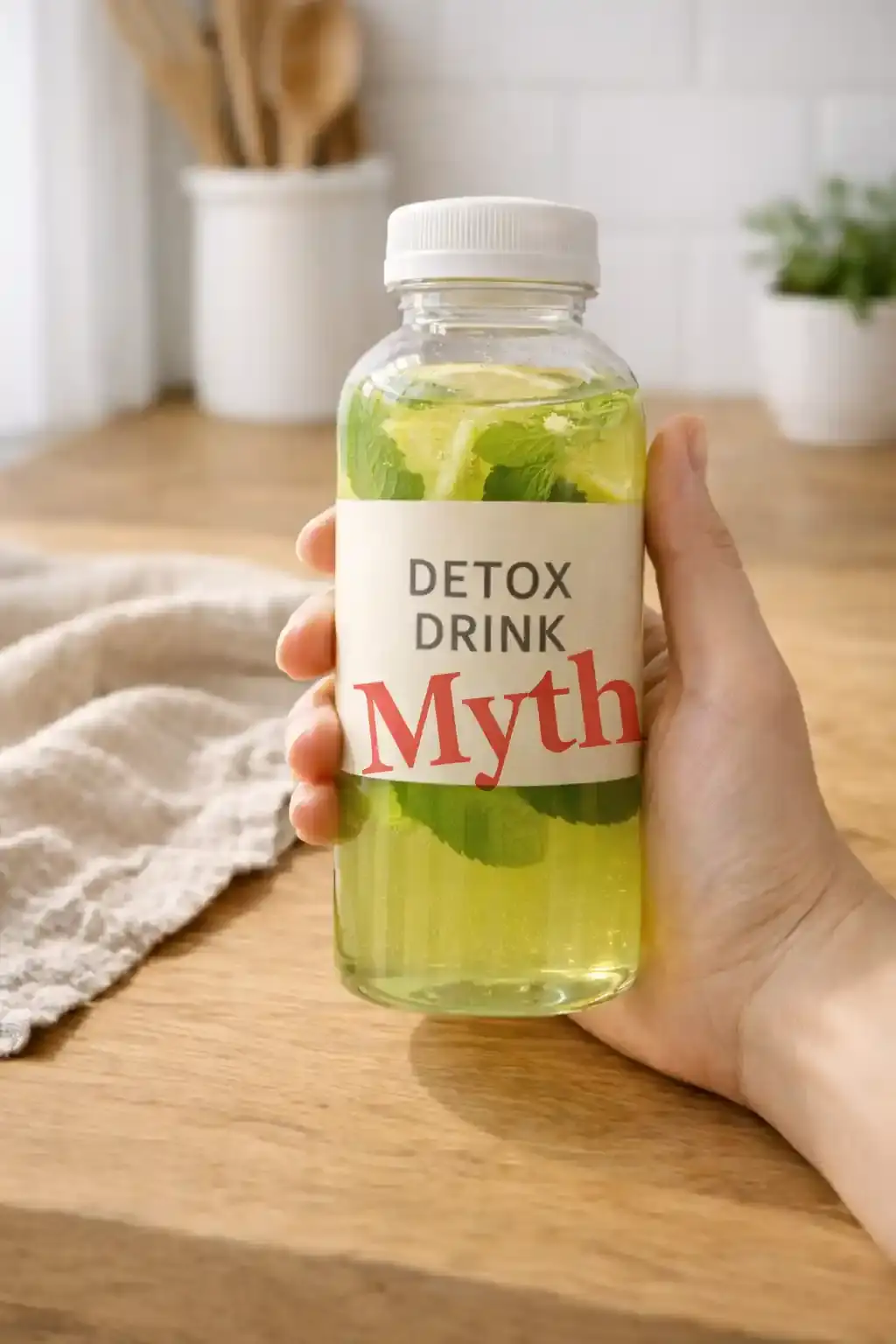
Myth 1: “Detox” Drinks Remove Toxins
Your body already detoxifies itself naturally through the liver and kidneys.
No beverage, even with fancy ingredients, can “flush out” fat or toxins.
Most so-called detox drinks only cause short-term water loss, not real fat reduction.
Myth 2: “Fat-Burning” Ingredients Melt Fat
Caffeine or green tea extracts can slightly raise energy expenditure, but the effect is minimal and temporary.
No drink directly melts fat cells.
If a product promises you’ll “burn fat while you sleep”, it’s using language meant to trigger emotion, not evidence.
Myth 3: “Natural” Means Safe
Some drinks labeled as “natural” contain herbal stimulants or unlisted additives that can raise heart rate or interact with medication.
The U.S. Food and Drug Administration (FDA) reminds consumers that dietary supplements, including many so-called detox or fat-burning drinks, are not pre-approved for safety or effectiveness before sale.
Learn more on the FDA official consumer page.
Myth 4: “Quick Fixes Work Faster”
Rapid results often mean temporary water loss or muscle depletion.
True fat loss takes time, consistency, and balanced eating.
Short-term fixes rarely deliver sustainable results.
Red Flags to Watch For
| Common Claim | Why It’s Misleading | Safer Alternative |
|---|---|---|
| “Lose 10 pounds in a week” | Mostly water loss or severe restriction; unsustainable | Aim for gradual change of 1–2 pounds per week |
| “Clinically proven fat-burn formula” | Usually no verified clinical trial behind the claim | Look for peer-reviewed or government-backed evidence |
| “Secret recipe / proprietary blend” | Hides ingredient amounts or potential stimulants | Choose products with full, transparent labeling |
| “Doctor approved” | Often vague or based on paid endorsements | Prefer references from recognized medical institutions |
What to Remember
Effective marketing doesn’t equal effective science.
If a drink promises dramatic or effortless fat loss, it’s likely overstating the facts.
Focus instead on beverages that promote hydration, provide nutrients, and fit comfortably into your lifestyle, not those that rely on hype or fear.
How to Choose a Drink That Actually Supports Weight Goals
Choosing the right drink doesn’t mean chasing trendy ingredients or miracle blends.
It’s about finding beverages that help you stay hydrated, manage hunger, and avoid unnecessary calories.
Here’s how to evaluate whether a drink truly supports your weight-management goals.
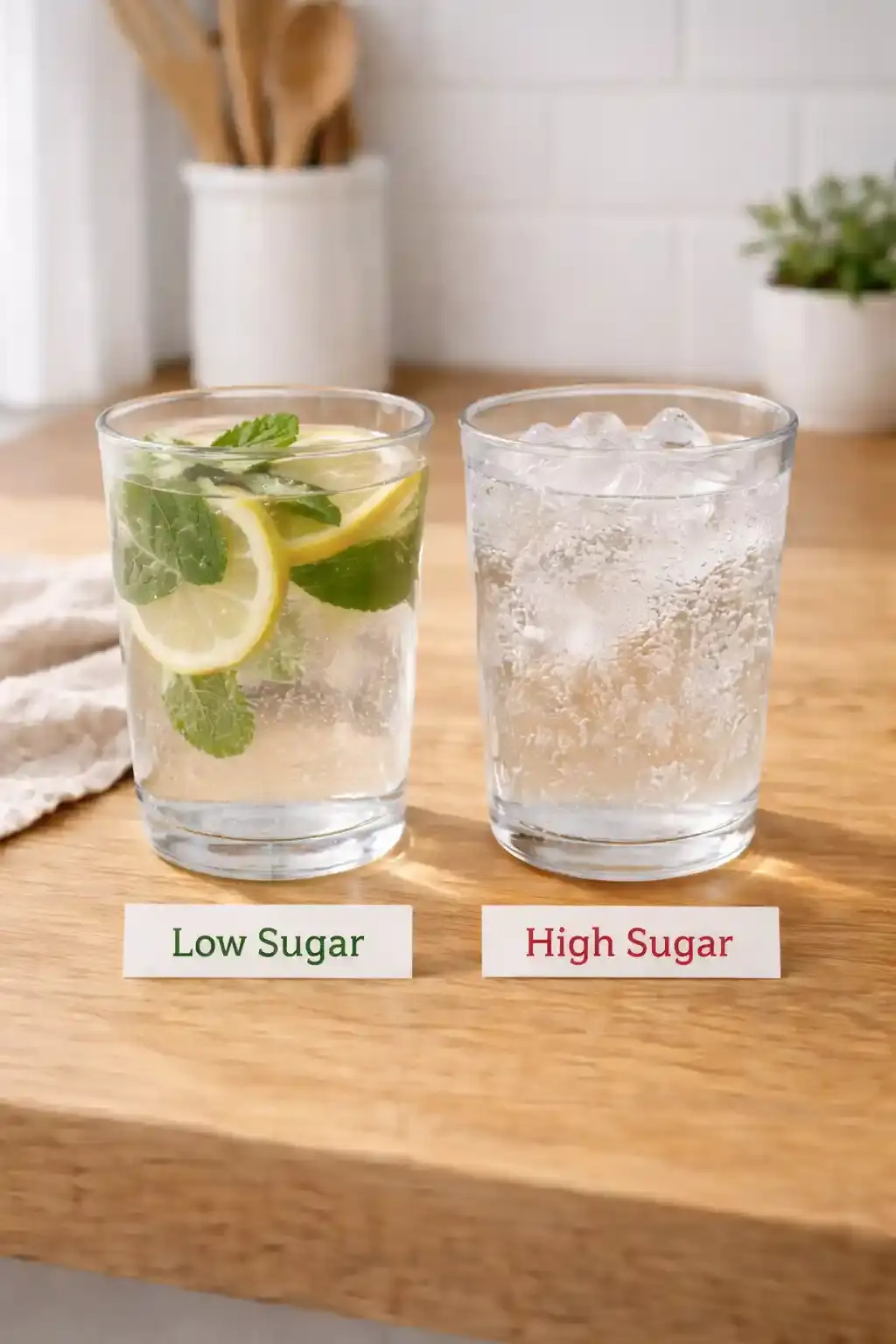
1. Start With Hydration, Not Hype
If a drink doesn’t improve hydration, it’s unlikely to help with weight control.
Water, sparkling water, and unsweetened teas are the safest base options.
Even flavored drinks should remain low in sugar and sodium.
2. Check the Calorie Density
Most weight-loss drinks are effective only when they help you consume fewer calories overall.
Aim for no more than 100 kcal per serving unless it’s a meal replacement.
If it’s meant as a snack or post-workout drink, check whether it replaces calories you would otherwise eat.
3. Prioritize Protein and Fiber
Protein and fiber increase satiety, helping you feel full longer.
Smoothies or shakes with at least 8 grams of protein or 3 grams of fiber per serving can help control appetite.
Avoid those overloaded with syrups, nut butters, or sweetened powders.
4. Watch the Added Sugars
Many “healthy” beverages contain more sugar than soda.
Check the label for “added sugars” and choose options with ≤ 5 grams per serving.
Natural fruit sugars are fine in moderation when the drink includes fiber.
5. Match the Drink to Your Routine
Choose drinks that support your lifestyle instead of disrupting it:
- Morning: coffee, tea, or a light protein shake.
- Before meals: a glass of water to reduce appetite.
- Post-workout: a balanced smoothie with protein.
- Evening: caffeine-free herbal infusions for relaxation.
Simple Checklist for Smarter Choices
| Goal | Best Drink Type |
|---|---|
| Hydration & calorie control | Water, sparkling water, unsweetened tea |
| Meal replacement or busy mornings | Protein shake (≤ 250 kcal, balanced macros) |
| Post-workout recovery | Protein smoothie with yogurt or milk alternative |
| Relaxation or evening craving control | Herbal tea or caffeine-free infusion |
Responsible Choice
The most effective drink is the one that fits your real habits, not an unrealistic plan.
If it keeps you hydrated, limits added sugar, and supports portion control, it can help you maintain a healthy calorie balance.
Everything else is marketing.
Safety & Responsibility
Even natural or low-calorie drinks can cause problems when misused.
Before adding any “weight-loss” beverage to your routine, it’s important to check ingredients, timing, and your personal health context.
The safest strategy is moderation and informed choice.

1. Know Your Health Background
Everyone’s metabolism, medication, and tolerance are different.
Caffeine, herbal blends, or added minerals can interact with prescriptions or raise blood pressure.
If you have diabetes, heart disease, or digestive issues, review new beverages with your doctor or dietitian before regular use.
2. Watch for Additives and Stimulants
Some drinks include hidden caffeine, laxatives, or unlisted herbal extracts.
These ingredients may lead to dehydration, anxiety, or digestive upset.
Avoid products with “proprietary blends” or ingredient lists that seem vague, transparency matters more than claims.
3. Stay Balanced and Hydrated
Drinks should support your nutrition, not replace it.
Relying only on shakes or teas can lead to nutrient gaps and fatigue.
Hydration with water, electrolyte drinks, or herbal teas is essential, especially during hot weather or exercise.
4. Recognize Warning Signs
Stop or limit a drink immediately if you experience:
- rapid heartbeat, dizziness, or nausea,
- digestive discomfort, or
- significant fatigue or mood swings.
Persistent symptoms warrant medical evaluation, not a stronger drink.
Bottom Line
Safe, effective weight management relies on consistency and evidence, not extremes.
The right drink will fit comfortably into your daily nutrition and support hydration without overpromising results.
When in doubt, consult a qualified health professional to ensure the drink aligns with your needs and medications.
FAQ – Evidence-Based Answers
We know weight-loss drinks raise a lot of questions, and some confusion.
Below are clear, evidence-based answers to the most common questions people search for online.
Each response summarizes current nutrition research and safe, realistic expectations, no hype, no myths, just facts that help you make informed choices.
Do any weight-loss drinks really work?
Some drinks can support weight management, but none directly burn fat.
Water, unsweetened tea, and calorie-controlled shakes can reduce total calorie intake when used consistently.
Their role is to help replace high-calorie beverages and improve hydration, not to cause rapid changes.
The most effective results come from combining balanced nutrition, movement, and hydration over time.
How did Kelly Clarkson really lose weight?
Public figures often mention “drinks” or “natural tricks,” but their results usually come from structured nutrition plans, calorie tracking, and lifestyle adjustments.
Kelly Clarkson has spoken about dietary changes and hormone balance, not any single beverage.
Celebrity routines are personal and may not reflect safe or sustainable strategies for others.
What is the most effective drink for weight loss?
Water remains the most consistently supported option.
It’s calorie-free, improves fullness before meals, and helps control appetite naturally.
Unsweetened teas and low-calorie shakes can complement that effect, but their success depends on portion awareness and regularity.
The best “weight-loss drink” is the one that fits your lifestyle and daily nutrition pattern.
Can you really drop 20 pounds fast with drinks?
No drink alone can safely produce large, rapid weight loss.
Losing 20 pounds quickly usually means water or muscle loss, not fat reduction.
Gradual, steady changes, about 1–2 pounds per week, are safer and easier to maintain.
Hydrating and replacing sugary beverages can help progress naturally without stressing your metabolism.
What’s the No. 1 “fat-burning” drink?
There isn’t one.
Caffeine and green tea may slightly raise metabolism, but the effect is too small to make a major difference.
No drink directly “burns” fat stores.
True fat loss happens through a calorie deficit from consistent, balanced nutrition and regular movement.
How to slim down your body in 7 days?
In one week, focus on hydration, balanced meals, and reducing added sugars.
Short-term improvements come from water balance and reduced bloating, not fat burning.
Drinking more water and fewer sugary beverages can make you feel lighter, but lasting change requires consistent habits beyond seven days.
How We Research & Update
Our team reviews every article with the same goal: to make health-related information clear, balanced, and up to date.
Before publishing, each guide is built from peer-reviewed studies, trusted health organizations, and official data sources such as the Centers for Disease Control and Prevention (CDC), the National Institutes of Health (NIH), and the U.S. Food and Drug Administration (FDA).
Every section is fact-checked for scientific accuracy, plain-language clarity, and neutrality.
We avoid promises, exaggerated results, or unsupported claims, especially on topics that affect your wellbeing.
If new research or dietary guidance changes, this page will be updated to reflect the latest consensus.
Editorial Transparency
TastyMillions follows a continuous update cycle.
Articles are periodically re-reviewed by editors trained in evidence-based nutrition communication.
Sources are checked for reliability, publication date, and U.S. relevance before inclusion.
Our commitment is to give readers realistic, safe, and easy-to-understand information, so you can make your own informed choices.