

Lemon balm doesn’t directly make you lose weight, it’s not a fat-burning herb.
But research suggests it can support healthy weight management indirectly by helping the body handle stress, sleep better, and improve digestion. When those areas are in balance, it becomes easier to manage cravings, avoid emotional eating, and maintain steady habits that contribute to long-term wellness, the real lemon balm weight loss benefits.
Key Takeaways
- No direct fat-burning: lemon balm doesn’t increase metabolism or burn calories.
- Indirect support only: it may help with sleep quality, stress management, and digestion, which all play a role in weight balance.
- Tea over pills: drinking lemon balm tea regularly offers gentle, steady benefits with fewer risks than supplements.
- Evidence still limited: early studies show potential, but large human trials are lacking.
- Safety first: avoid if you’re taking sedatives, thyroid medication, or are pregnant.
- Part of a healthy routine: use lemon balm as a calming ritual, not a shortcut to weight loss.
If you’ve ever seen lemon balm listed as a “natural weight loss booster,” it’s worth taking a closer look. The truth is that this soothing herb doesn’t melt fat, but it can help calm your system, support better sleep, and make healthy choices feel easier. In this guide, you’ll learn how lemon balm really interacts with weight, what science supports, and how to use it safely as part of your everyday wellness routine.
Quick Answer: Does Lemon Balm Help With Weight Loss?
Lemon balm doesn’t cause weight loss on its own, but it can play a gentle, supportive role. Its natural calming compounds, particularly rosmarinic acid, may help reduce stress and promote better sleep, both of which are linked to healthier eating habits and improved weight control over time.
In simple terms:
- It helps you feel calmer, not lighter overnight.
- It supports habits (like sleeping well and managing cravings) that make weight balance easier.
So, if you’re adding lemon balm tea to your day, think of it as a wellness ally, not a “fat-burning solution.” The best results come when it’s part of a balanced lifestyle, including nourishing meals, movement, and mindful rest.
5 Indirect Benefits of Lemon Balm for Weight Management
Lemon balm may not directly change your body weight, but it can support several biological and behavioral factors that influence how we manage it. Here’s what research, and real-world experience, suggest about its indirect benefits.
1. Better Sleep Supports Appetite Regulation
Getting enough quality sleep helps balance hormones that control hunger and fullness, such as ghrelin and leptin. Lemon balm’s calming compounds may make it easier to fall asleep and stay asleep. When you’re well-rested, you’re less likely to crave sugary or high-calorie foods to boost energy. Over time, better sleep supports a steadier appetite and more mindful eating patterns.

Studies have found that lemon balm’s calming compounds may improve sleep quality and relaxation, supporting better appetite regulation and overall balance.
2. Stress Relief Can Curb Emotional Eating
When stress levels rise, so does the urge to eat for comfort. Lemon balm has long been used as a natural calming herb. Studies show it can reduce stress and anxiety, helping the body relax. A simple cup of lemon balm tea in the evening or during tense moments may replace the habit of snacking for relief. Managing stress in this way can make weight management feel more sustainable and less reactive.

Clinical evidence suggests that Melissa officinalis extract may reduce anxiety and stress levels, which can indirectly help curb emotional eating.
3. Digestive Comfort May Reduce Confused Cravings
Digestive discomfort, such as bloating or tension in the stomach, can sometimes be mistaken for hunger. Lemon balm’s gentle carminative (gas-relieving) effects help soothe the digestive system and ease discomfort. When digestion feels balanced, it’s easier to recognize true hunger and stop eating when satisfied, two small but meaningful habits that support weight balance.
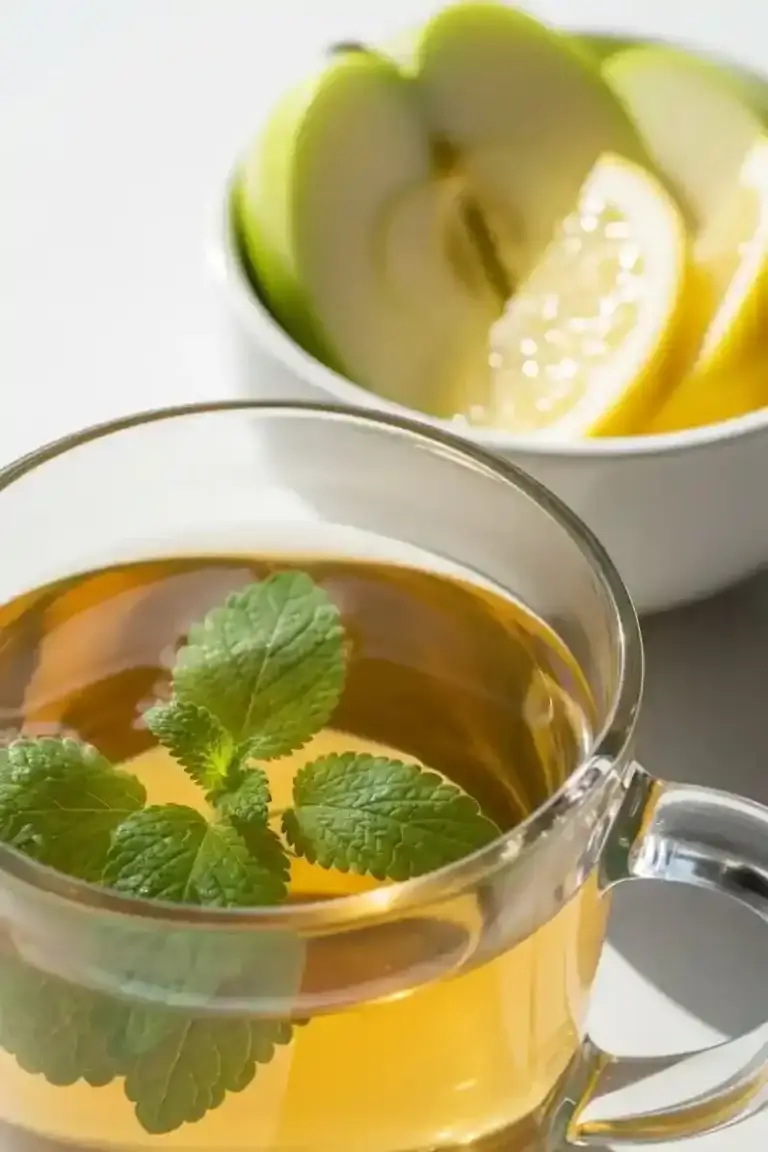
According to the NIH’s herbal database, lemon balm has long been used to soothe mild digestive discomfort and support gastrointestinal balance.
4. Gentle Support for Blood Sugar Balance (Evidence: Limited)
Some early research suggests that lemon balm may help with glucose and insulin regulation, though evidence is still limited. These potential effects could support steadier energy levels throughout the day, which in turn helps reduce sudden hunger spikes. However, current studies are small, and lemon balm should be viewed as supportive, not a substitute for medical care or a balanced diet.
Early animal studies show that lemon balm essential oil may influence enzymes involved in glucose and lipid regulation, though human research remains limited.
5. Possible Help With Lipid and Metabolic Markers (Early Findings)
Preliminary studies, mostly in animals, indicate that lemon balm extracts might improve certain lipid profiles, such as cholesterol and triglycerides. While these results are promising, they haven’t been confirmed in human trials. For now, it’s safest to enjoy lemon balm for its calming and digestive benefits rather than expect measurable metabolic changes.
Together, these gentle effects, better sleep, reduced stress, and improved digestive comfort, can make it easier to maintain balance. Lemon balm won’t cause weight loss directly, but it can support the routines and feelings of well-being that make healthy living more sustainable.
Lemon Balm Tea vs Capsules vs Tincture: Which Fits Your Routine?
Each form of lemon balm offers similar calming properties, but the way you take it can change how it feels and fits into your day. The goal isn’t to find the strongest version, it’s to choose what works best for your lifestyle, comfort, and health needs.
A warm cup of tea may help you relax naturally, while capsules or tinctures offer convenience if you’re short on time. Understanding the differences helps you use lemon balm safely and effectively.
| Form | Typical Use | Pros | Cons | Who Should Avoid |
|---|---|---|---|---|
| Tea | Enjoyed hot or iced, often in the evening or after meals | Calming, hydrating, caffeine-free, easy to prepare | Mild flavor may not appeal to everyone; slower onset | Avoid if taking sedatives or preparing for surgery |
| Capsules | Daily supplement, often taken with water | Convenient, consistent dosage, no taste | Can be too concentrated for sensitive users | Avoid during pregnancy, breastfeeding, or thyroid treatment |
| Tincture | Concentrated liquid drops, often diluted in water | Fast-acting, portable, customizable dosage | Strong taste, may contain alcohol | Not recommended for children or alcohol-sensitive users |
When deciding which form to use, think about your daily rhythm.
If you enjoy slow, mindful moments, tea offers both relaxation and hydration. Capsules are practical for travel or structured routines. Tinctures, while stronger, should be used with care and professional guidance.
If you’d like a deeper overview of how lemon balm supports digestion, rest, and balanced habits, explore this complete guide: Lemon Balm Weight Loss Guide 2026: Facts & Safe Uses
How to Use Lemon Balm as a Wind-Down Routine
Lemon balm works best when used as part of a calming daily ritual, not as a quick fix. Adding it to moments of relaxation can help your body unwind and create steady, restorative habits that indirectly support weight balance. Whether you prefer a warm cup of tea, a midday reset, or a few mindful pairings, the goal is to turn lemon balm into something simple and enjoyable, not clinical or restrictive.
Evening Tea Routine
An evening lemon balm tea can be the perfect signal for your body to slow down. Its gentle aroma and warmth help ease tension after a busy day and prepare you for sleep. Try sipping it 30–60 minutes before bedtime in a quiet setting, away from screens or snacks. This small ritual helps calm your nervous system and reduces the urge for late-night grazing.
Midday Reset
A midday cup can act as a stress reset between tasks. Replacing coffee or sweetened drinks with lemon balm tea during your work break provides gentle hydration and calm focus without caffeine. Many people find that pausing for this ritual also helps them listen to real hunger cues rather than stress cravings.
Pairings That Amplify Benefits
You can combine lemon balm with other light, health-supporting habits:
- Take a short walk after meals to support digestion.
- Pair it with hydration habits, alternate tea and water to stay balanced.
- Combine with sleep hygiene practices such as low light and gentle breathing before bed.
These routines help you reconnect with natural cues of rest and appetite. Lemon balm becomes most effective when it’s part of a larger pattern of calm consistency.
Safety, Side Effects, and Who Should Avoid Lemon Balm
Lemon balm is considered safe for most healthy adults when used in moderate amounts, especially as a tea or culinary herb.
However, like any natural supplement, it’s important to understand where caution applies. Lemon balm’s relaxing properties can interact with certain medications or health conditions, so a little awareness goes a long way.

The Cleveland Clinic notes that while lemon balm is generally safe, it may interact with sedatives, thyroid medication, or pregnancy-related conditions.
Common Mild Effects
Most people tolerate lemon balm well, but some may experience:
- Drowsiness or mild fatigue
- Digestive upset (rare and temporary)
- Allergic reactions in very sensitive individuals
If any discomfort occurs, reduce the amount or take a break for a few days.
Who Should Avoid Lemon Balm
Avoid or limit use if you:
- Take sedatives, sleep aids, or anti-anxiety medication, as lemon balm may increase drowsiness
- Are on thyroid medication, since the herb can mildly influence thyroid activity
- Are pregnant or breastfeeding, due to limited safety data
- Have a scheduled surgery, as lemon balm may enhance sedation effects
When in doubt, always talk with a healthcare provider before using herbal products regularly, especially if you take prescription medicine or manage a medical condition.
Important: Use It as Support, Not Treatment
Lemon balm is best viewed as a gentle support for stress and digestion, not as a treatment for any disease or metabolic issue.
It complements healthy routines but should never replace professional medical advice, prescribed medication, or nutritional care.
⚠️ Safety Reminder:
Always check with your doctor or pharmacist before adding lemon balm to your routine if you take any daily medication. Natural does not always mean risk-free, especially for thyroid or sedative interactions.
Used wisely, lemon balm can be a gentle companion in your daily routine, especially when paired with rest, hydration, and mindfulness.
To understand what science really says about its benefits, let’s take a quick look at the current research.
Evidence Snapshot: What Research Actually Says
Research on lemon balm and weight management is still limited but growing. Most studies focus on its calming, sleep-promoting, and digestive effects, all of which can indirectly influence habits that affect weight.
Reviews published on PubMed and the NIH databases highlight lemon balm’s main benefits in relaxation, sleep, and digestive comfort, while noting that evidence for metabolism or fat loss remains weak. So far, evidence suggests potential benefits for relaxation, sleep quality, and mild metabolic balance, though direct proof of weight loss is lacking.
Here’s a simple summary of what current research tells us:
| Claim | Evidence Type | Confidence Level |
|---|---|---|
| Supports relaxation and stress reduction | Multiple human studies | High |
| Improves sleep quality | Human + animal studies | Moderate |
| Supports digestion and reduces bloating | Traditional use + small clinical data | Moderate |
| Helps balance blood sugar | Laboratory + early human research | Low |
| Improves lipid or metabolic markers | Animal studies only | Very Low |
The bottom line:
Lemon balm shows reliable support for stress and sleep, both key elements in healthy weight balance. Evidence for blood sugar or metabolic effects exists but remains weak and preliminary.
Future research may confirm stronger benefits, but for now, its best role is as a gentle, supportive herb within a healthy lifestyle.
FAQ: Lemon Balm and Weight Management
Below are some of the most common questions readers ask about lemon balm and healthy weight balance.
Do lemon balm weight loss benefits really work?
Lemon balm doesn’t directly make you lose weight, but it may support your body in ways that help maintain balance. Studies suggest that its calming and sleep-promoting effects can indirectly reduce emotional eating and late-night snacking. It’s most effective when used as part of a balanced lifestyle, alongside nutritious meals, regular movement, and stress management, rather than as a quick weight-loss solution.
Can lemon balm tea curb cravings or stress eating?
Yes, indirectly. Lemon balm’s natural calming properties can help lower stress levels, which often drive emotional eating or sugar cravings. Drinking a cup during tense moments, or after dinner, may help signal to your body that it’s time to relax instead of snack. Over time, this small shift can support more mindful eating habits and reduce unnecessary calorie intake.
Does lemon balm affect metabolism or blood sugar?
Research shows only early and limited results. Some studies suggest lemon balm may influence insulin sensitivity or glucose levels, but the evidence is still weak. It’s best to view lemon balm as a supportive herb that promotes calm and balance, not as something that actively boosts metabolism. For blood sugar management, it should never replace medical treatment or dietary guidance from a healthcare professional.
Early animal studies in the British Journal of Nutrition also report mild effects on glucose and lipid regulation, but these findings have not been confirmed in humans.
Best time for lemon balm tea: morning or night?
Nighttime is ideal for most people. Lemon balm tea can help calm the mind and body before bed, supporting deeper sleep and more stable eating patterns. However, if you enjoy a calming start to your day, a morning cup works too. Just note that lemon balm’s mild relaxing effects might make you feel a little drowsy, so it’s best avoided right before activities that require full alertness.
Lemon balm tea vs supplements: which works better?
Both can provide benefits, but tea is often gentler and easier to tolerate. Lemon balm tea hydrates and soothes, offering a slow, calming effect. Supplements and tinctures may act faster, but their concentration can increase side effects for sensitive users. For everyday use, tea is the safer and more balanced option, especially if your goal is relaxation and wellness rather than immediate results.
Is lemon balm safe daily, and who should avoid it?
For most adults, daily use in moderate amounts is safe, especially as tea. However, people who take sedatives, thyroid medication, or are pregnant or breastfeeding should avoid it unless advised by a healthcare professional. Lemon balm’s natural relaxation effects can amplify certain medications, so it’s always wise to check with your doctor before using it regularly.
How We Research & Update
At TastyMillions, every wellness article is built on verified information from trusted scientific and medical sources.
This page was reviewed and updated in January 2026 by our editorial team to ensure all statements reflect the most recent and reliable research.
We regularly consult data from the U.S. Department of Agriculture and the National Institutes of Health (NIH) to confirm ingredient safety, traditional use, and scientific accuracy.
Our editorial goal is to translate credible research into calm, practical guidance that helps readers make confident, balanced wellness choices, without hype or overpromises.