

Hydration supports weight loss indirectly, by helping your body function efficiently, not by “melting fat”. Replacing high-calorie drinks with water can reduce total calorie intake and make it easier to recognize fullness before meals. Staying hydrated also supports digestion, energy levels, and body temperature, which helps maintain an active lifestyle.
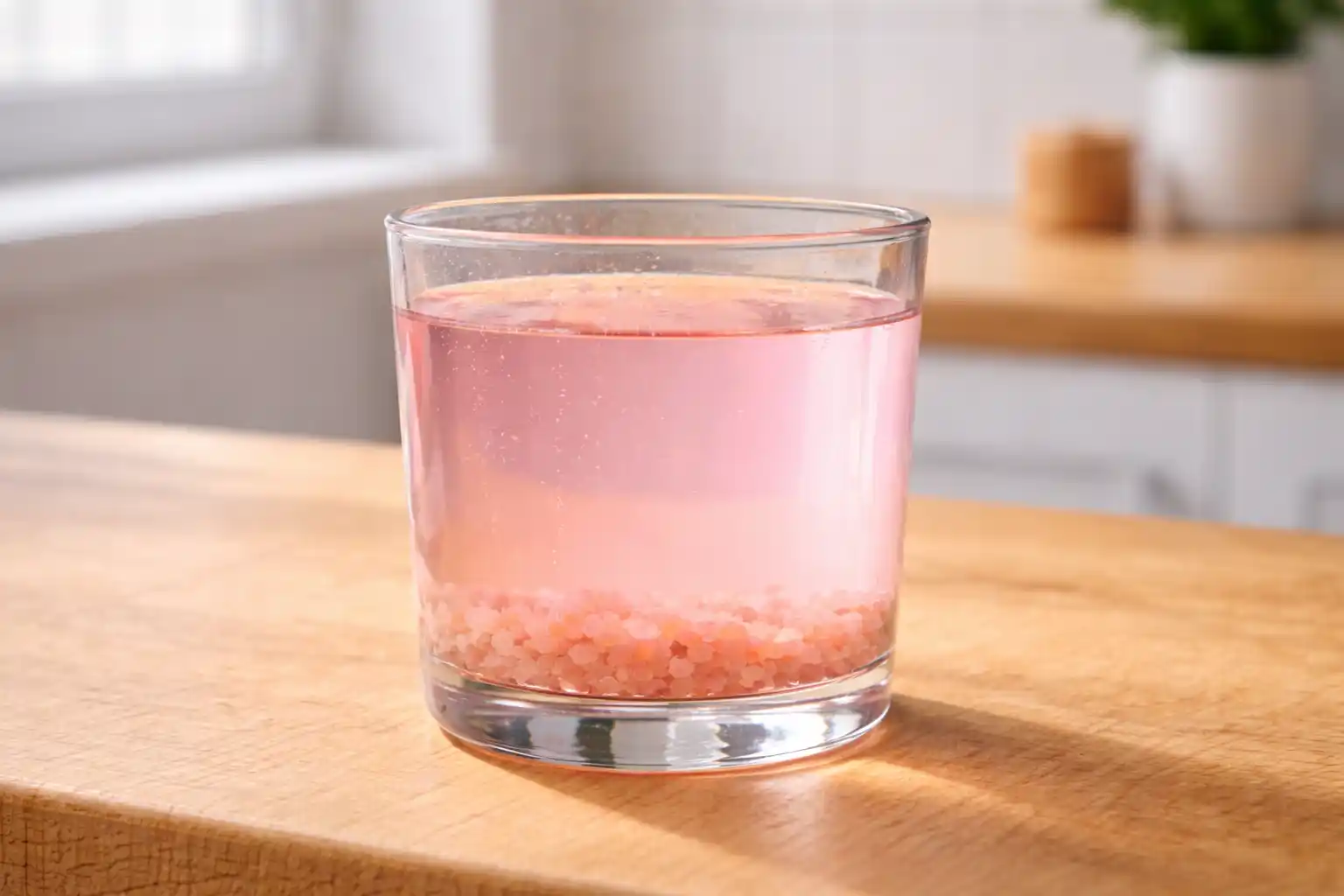
If you’re exploring simple ways to stay hydrated naturally, the Pink Salt Weight Loss Guide and the Lemon Balm Weight Loss Guide both explain how mineral balance and herbal infusions can complement daily hydration goals.
In short, hydration and weight loss are connected not because water directly causes fat loss, but because it supports the healthy habits that make it easier to maintain.
Key Takeaways
- Water helps replace sugary drinks, reducing overall calorie intake.
- Drinking water before meals can gently improve fullness and appetite control.
- Hydration supports energy, focus, and exercise recovery, key factors for staying active.
- Dehydration may increase hunger signals and reduce daily calorie burn.
- Water-rich foods (like cucumbers, berries, or soups) count toward daily hydration.
- Overhydration is possible, electrolyte balance is important too.
- There’s no magic “water hack” for fat loss, only steady daily habits that add up over time.
What Evidence Shows vs Doesn’t Show
| What Evidence Supports | What Evidence Doesn’t Support |
|---|---|
| Many foods contain water and contribute meaningfully to daily hydration needs (Healthline – Water-Rich Foods) | Eating these foods alone produces substantial fat loss without overall dietary balance. |
| Electrolytes help regulate fluid balance in the body and are essential to hydration status (Cleveland Clinic – Electrolytes Overview) | Excessive electrolyte supplementation (not under medical advice) enhances weight loss independently. |
| Eating water-rich foods can help you stay hydrated because fluid from foods counts toward total hydration (Harvard Health – Using Food to Stay Hydrated) | A specific “hydration food list” guarantees weight loss on its own. |
| Drinking enough water helps maintain fluid balance and energy levels, especially during exercise or heat exposure (Mayo Clinic Health System – Tips for Drinking Water) | Simply drinking very large amounts of water will speed up metabolism dramatically. |
How Hydration Can Support Weight Loss
Hydration doesn’t directly cause weight loss, but it supports many body functions that make it easier to build healthy, lasting habits. When you stay hydrated, your body regulates appetite better, maintains energy for movement, and digests food efficiently. These effects, though modest on their own, create the foundation for consistent weight management.

1. Water as a Swap
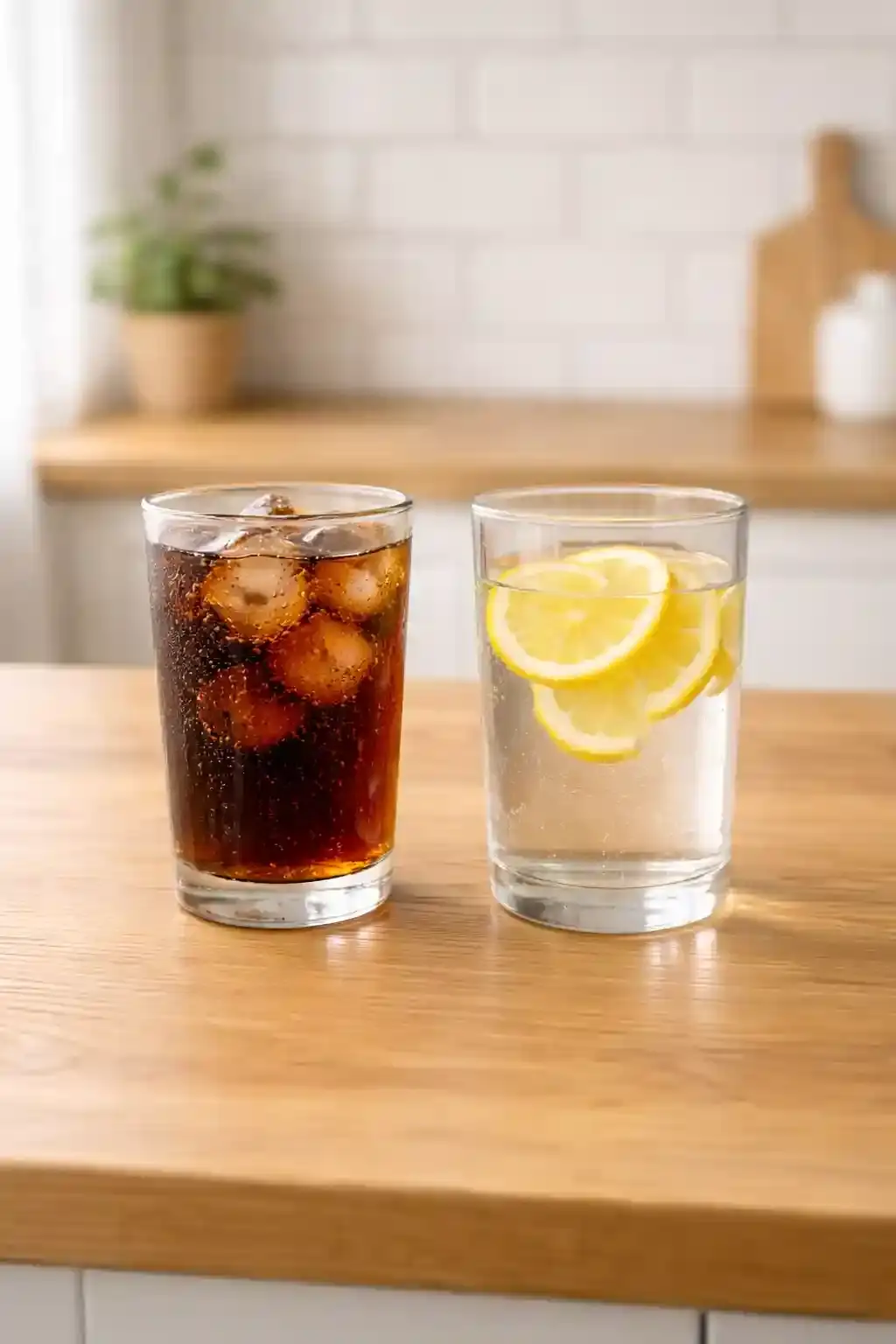
One of the simplest and most effective hydration habits is using water as a swap for sugary drinks. According to the CDC’s guide on Water and Healthier Drinks, plain water has zero calories and helps reduce daily sugar intake when it replaces sodas or flavored beverages. This change alone can lower overall calorie intake without feeling restrictive, a small but steady win for weight balance.
2. Appetite and Fullness
Hydration also plays a role in appetite regulation. The Harvard Health Blog reports that drinking water before meals can slightly increase feelings of fullness, which may lead to smaller portions for some people. It’s not a guaranteed method for everyone, but a simple way to pause and check whether you’re truly hungry or just thirsty.

3. Energy Levels and Activity
Even mild dehydration can affect how energized and focused you feel. The U.S. Nutrition.gov Hydration and Health page explains that fluids help transport nutrients, regulate body temperature, and keep muscles working efficiently. Staying hydrated throughout the day supports physical activity, a key part of sustainable weight control.
4. Digestion and Metabolic Efficiency
Water helps your digestive system process food smoothly. It assists with nutrient absorption, prevents constipation, and supports natural metabolic processes. The Mayo Clinic highlights that proper hydration allows your body to absorb vitamins and minerals more effectively, helping you feel comfortable and nourished, essential for staying consistent with healthy eating.
When “More“ Isn’t Better
While water is essential, drinking too much without also replacing electrolytes can upset your body’s natural balance. Electrolytes such as sodium and potassium help regulate hydration inside and outside cells, supporting muscle and nerve function. Overhydration can dilute these minerals, especially during intense workouts or in hot weather. The safest approach is steady, balanced hydration, enough to feel comfortable and alert, but never forced.
The Bottom Line
Hydration supports weight management by making daily habits more efficient, not by melting fat. Choosing water over sugary drinks, staying alert to thirst cues, and keeping electrolyte balance all contribute to energy, comfort, and consistency, the real keys to long-term success.
How Much Water Do You Need?
There isn’t one fixed amount of water that works for everyone. Hydration needs depend on age, body size, activity level, and environment. While the classic “eight glasses a day” rule is easy to remember, experts now agree that the best approach is to listen to your body and drink according to thirst.

Total water intake includes all beverages and the moisture naturally present in foods. For most adults, average fluid needs are about 13 cups (roughly 3 liters) for men and 9 cups (around 2 liters) for women, depending on lifestyle, diet, and climate. These numbers are flexible, not strict targets.
Quick Method to Estimate Your Needs
A practical method many people use is to drink about half their body weight (in pounds) in ounces of water daily. For example, a 150-pound person might aim for roughly 75 ounces, about 2.2 liters, of total fluid from both drinks and foods. Water doesn’t only come from beverages; fruits, vegetables, soups, and dairy-based foods can provide around one-fifth of your total daily hydration.
Signs You Might Be Under-Hydrated
Your body gives clear signs when it needs more fluids. Common cues include thirst, dry mouth or lips, darker urine, fatigue, headache, or trouble focusing. Mild dehydration can cause these symptoms and should be corrected gradually throughout the day rather than by drinking large amounts all at once.
When “More” Isn’t Better
Too much water without replacing electrolytes can lead to low sodium levels in the blood, also known as hyponatremia. This can happen to athletes or people who drink excessive amounts of plain water in a short time. Staying balanced means pairing hydration with foods that naturally contain minerals, especially during heat, exercise, or illness.
Simple Habits That Help
Start your morning with a glass of water, sip fluids during meals, and increase intake before and after exercise. Flavoring your water with citrus or herbs can make it more enjoyable, and checking urine color, pale yellow being ideal, is one of the easiest ways to monitor hydration naturally.
Summary:
Hydration is personal, not formulaic. The best indicator of your ideal intake is how you feel, energized, clear-headed, and comfortable. Let thirst, not fixed rules, guide your rhythm of hydration.
Safety & Responsibility
Hydration supports well-being, but more isn’t always better. Every person’s needs depend on age, body size, health status, and daily activity. If you have a medical condition that affects fluid balance, such as kidney disease, heart issues, or taking water-regulating medications, your hydration targets may differ from general guidelines.

It’s also important to adjust your water intake gradually. Drinking too much in a short period can overwhelm your body’s ability to process fluids. Instead, focus on consistent sipping through the day, and pair your water with balanced meals that include minerals and electrolytes naturally found in whole foods.
If you notice ongoing fatigue, dizziness, swelling, or confusion, it’s best to talk with a qualified healthcare professional. These can be signs of dehydration or overhydration, both of which deserve proper attention.
Hydration and weight management work best when combined with balanced nutrition, physical activity, and adequate rest, not through extreme or one-size-fits-all methods. Listen to your body and aim for balance, not perfection.
Summary:
Safe hydration means paying attention, not pushing limits. Drinking enough to stay comfortable and alert is healthy; forcing excessive water intake is not. When in doubt, seek medical guidance, especially if you have conditions that affect water or electrolyte balance.
FAQ: Hydration and Weight Loss
Curious about how hydration really connects to weight management? These quick answers clear up the most common questions, from how much water you actually need to whether “water hacks” or hydration rules really make a difference.
Does being hydrated help with weight loss?
Being hydrated doesn’t directly make you lose fat, but it supports the body systems that influence healthy weight management. Water helps your body regulate hunger, maintain energy, and digest food efficiently. Replacing sugary drinks with water can also reduce daily calorie intake, small choices that add up over time.
What is the 30/30/30 rule for weight loss?
The 30/30/30 method suggests eating 30 grams of protein within 30 minutes of waking up, then moving for 30 minutes. It isn’t based on hydration but highlights the benefits of early nourishment and activity. Drinking water alongside this habit can help with focus, digestion, and steady energy throughout the morning.
How much water should you drink a day to lose weight?
There’s no magic amount that leads to weight loss, since hydration needs differ for everyone. Most adults do well aiming for about 2–3 liters of total fluids daily, including water, other drinks, and water-rich foods. The most reliable guide is your body itself: sip whenever you’re thirsty, and aim for urine that’s light yellow rather than dark.
Can drinking water help lose tummy fat?
Water can’t melt or target belly fat, but staying hydrated helps your digestive system run smoothly and reduces bloating. It also prevents water retention, which can make your midsection feel puffy. Fat loss happens when you maintain an overall energy balance, hydration simply supports that process.
What is the water hack for losing weight?
There’s no secret or “hack” that makes water alone cause fat loss. What really works is replacing sugary beverages with water, staying hydrated during exercise, and being consistent over time. Fad trends about extreme water routines aren’t effective, balanced, steady habits are.
What are the signs of overhydration?
Overhydration occurs when you drink far more water than your body can handle, which can dilute sodium levels in your blood. Early signs include headache, confusion, nausea, or swelling. It’s rare but can happen if large amounts of plain water are consumed too quickly without electrolytes or food.
Key Takeaway:
Hydration makes healthy habits easier, not automatic. Drinking enough water supports digestion, energy, and comfort, but it’s one part of a balanced lifestyle that includes movement, nourishment, and rest.
How We Research & Update
All content on TastyMillions is written and reviewed with care to ensure it’s accurate, neutral, and easy to understand. For every nutrition or wellness topic, we rely on data from reputable health organizations, scientific publications, and public nutrition databases.
Before publishing, each guide is reviewed for clarity, accuracy, and neutrality, no hype, no exaggerated promises. When new research or dietary guidance becomes available, our team updates this page to reflect the latest evidence in a clear, accessible way.
We prioritize transparent, educational writing that helps readers make informed, balanced choices about food, hydration, and wellness. Our goal isn’t to prescribe, but to explain, so you can make decisions that fit your own health context.
Editorial Note:
This page was written and reviewed by the TastyMillions editorial team, drawing on publicly available data from recognized sources such as health institutions, nutrition authorities, and scientific journals.