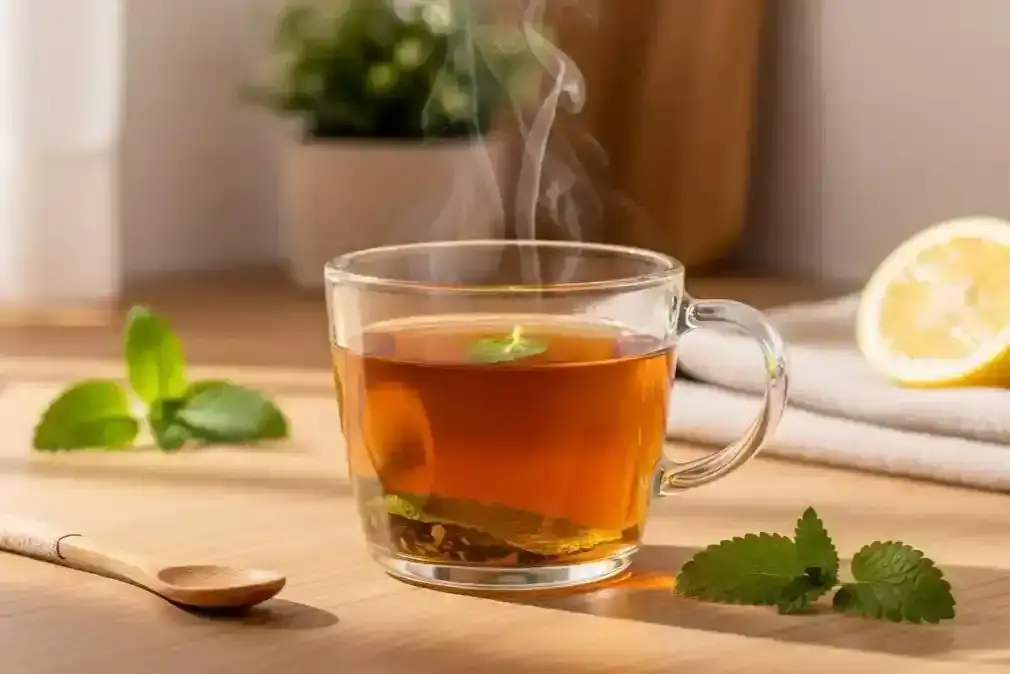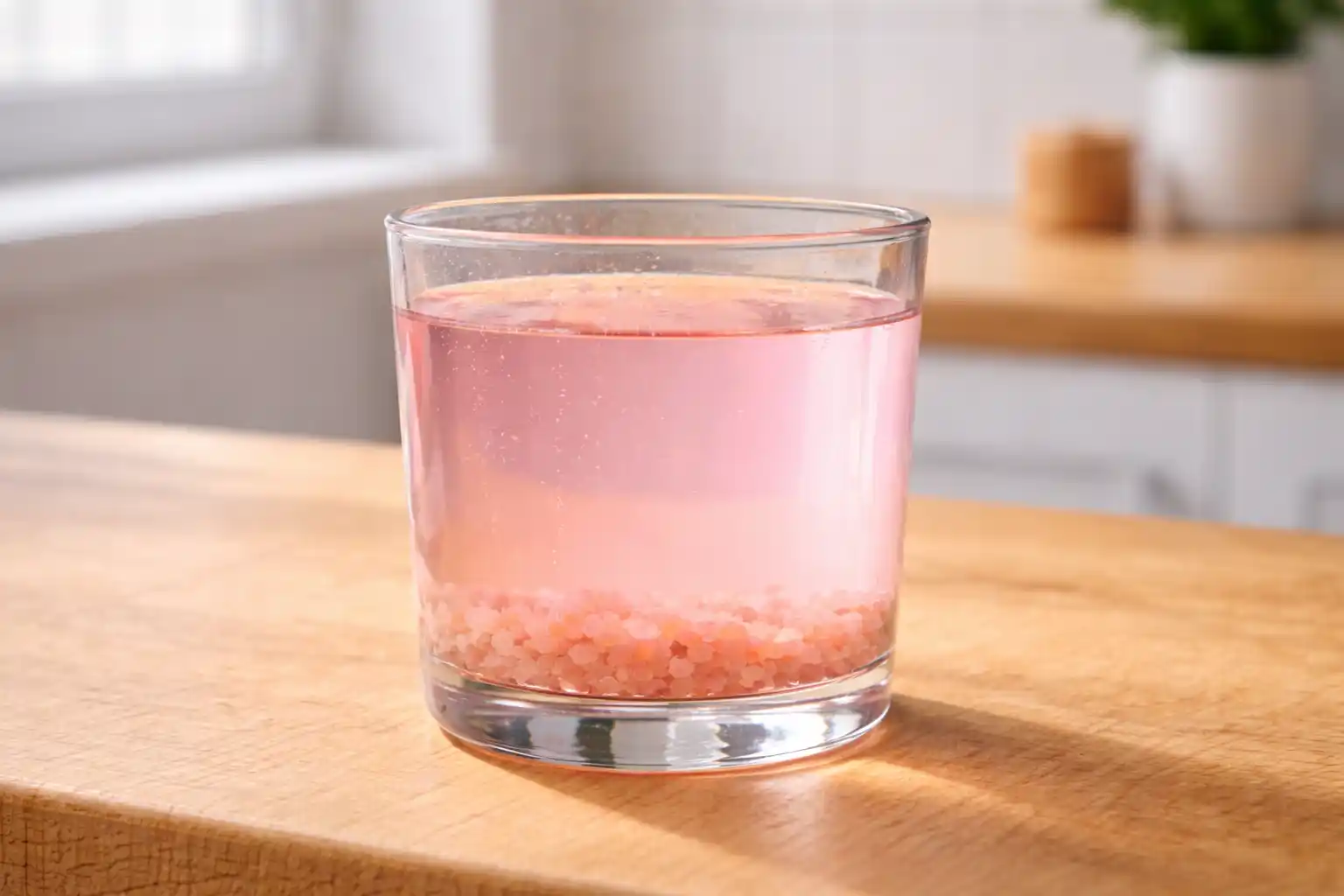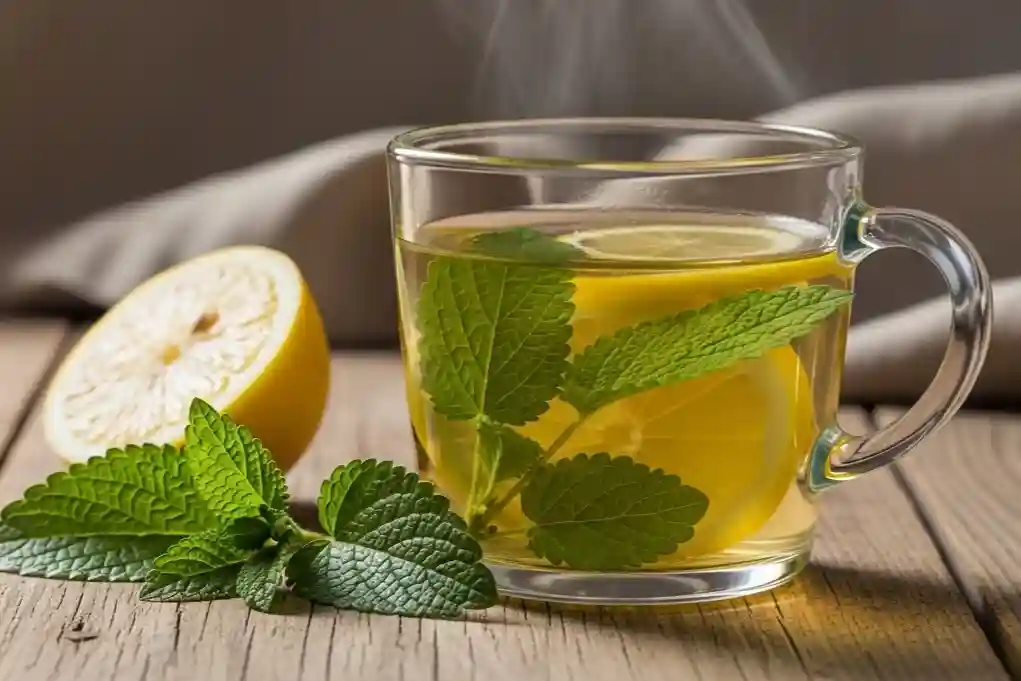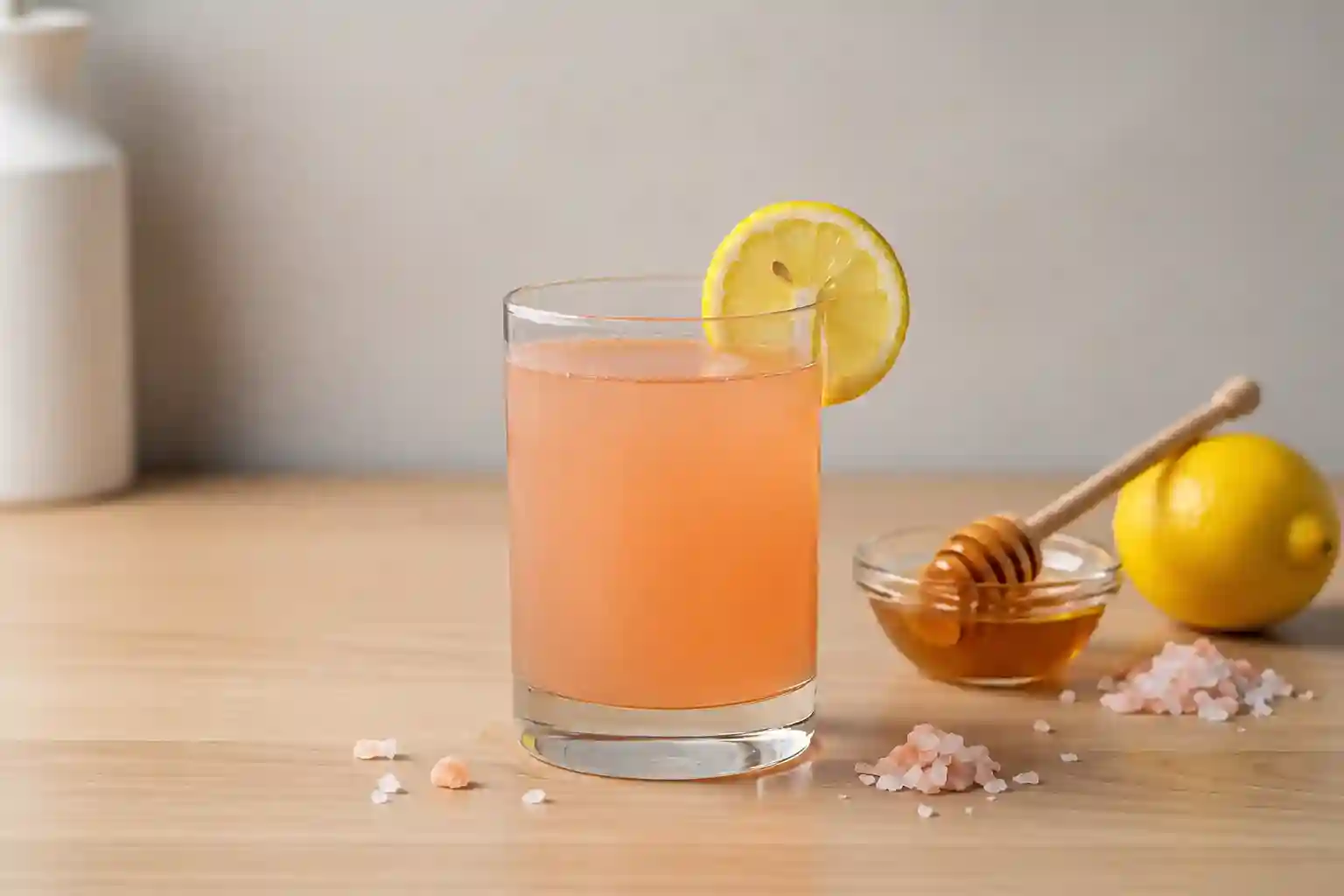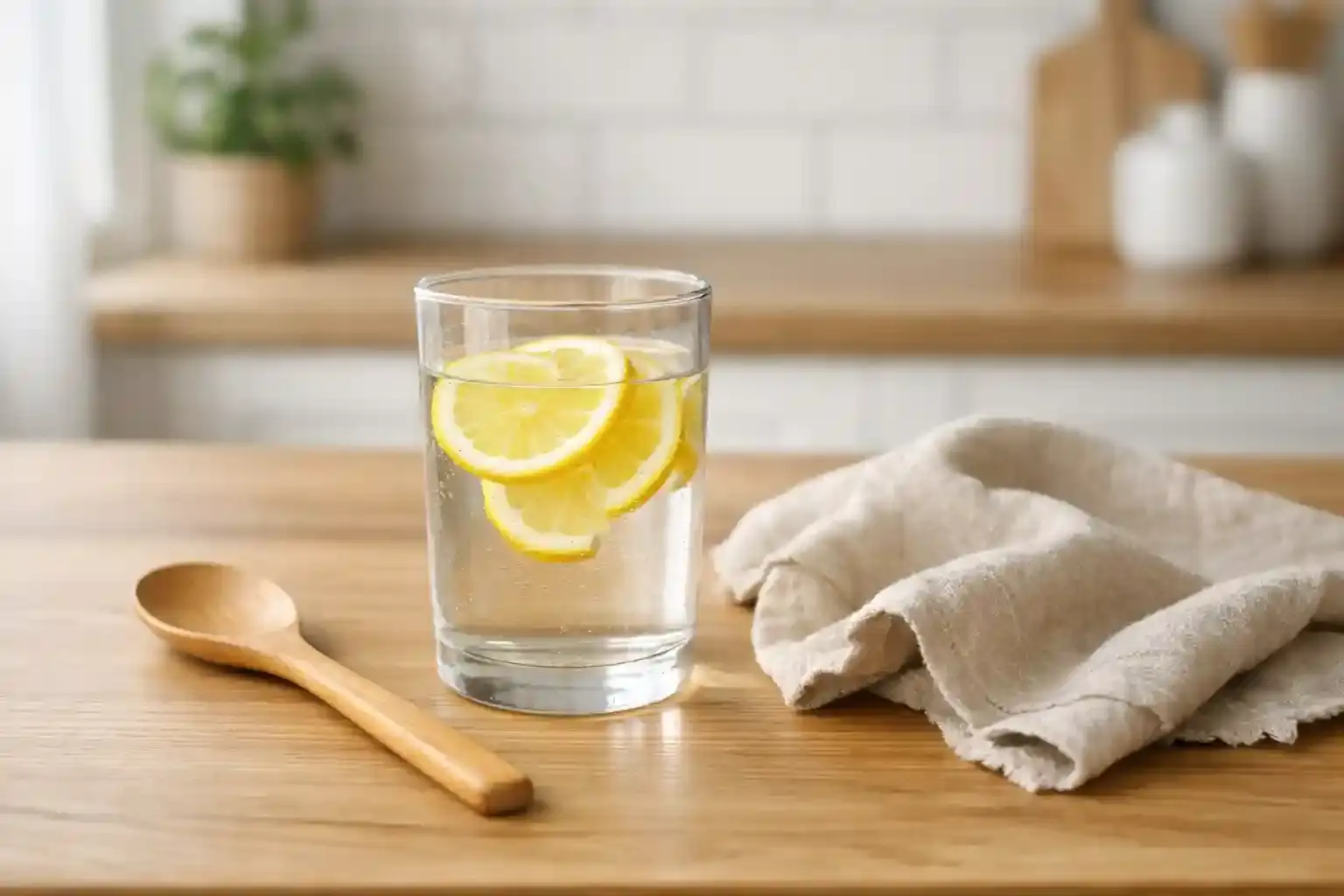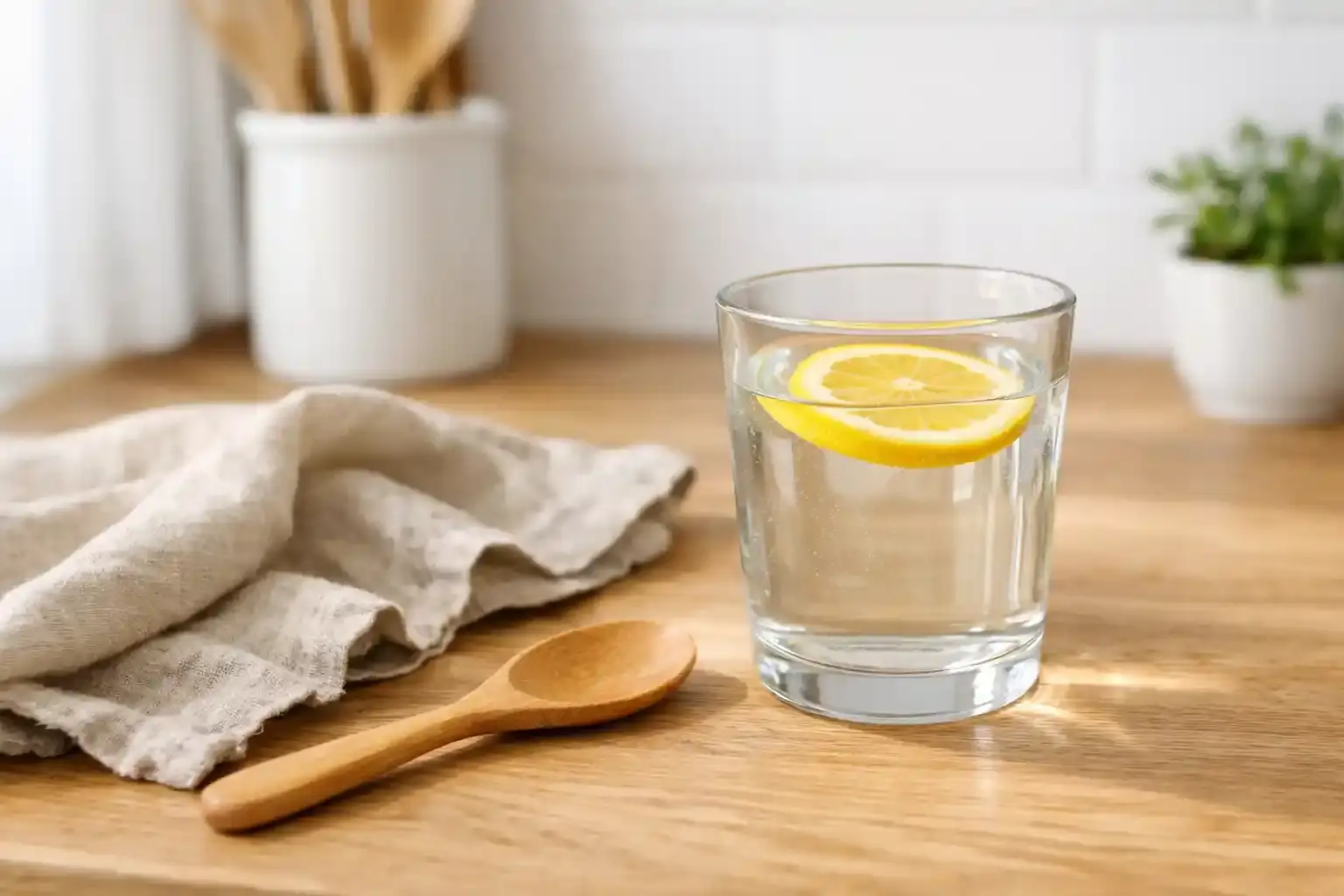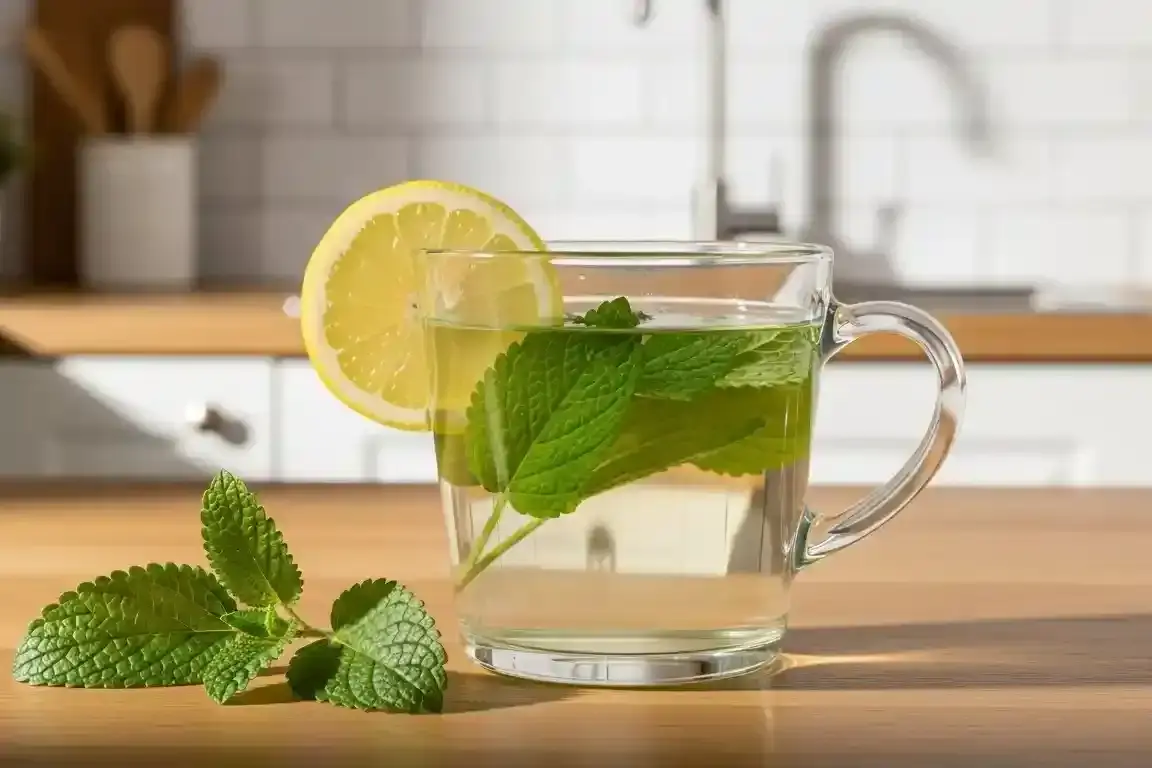


The pink salt recipe ingredients are far simpler than many online posts make them seem. At its most basic, the pink salt drink uses only a small number of common ingredients that are easy to identify and understand. However, as the drink gained popularity on social media-especially TikTok-new versions started circulating, often described as “3-ingredient” or “4-ingredient” tricks.
Because of this, many people are now unsure whether they’re looking at a basic ingredient list or a version connected to broader wellness or weight-loss discussions. If you’re interested in how those claims are explained and where they come from, this topic is covered in more detail in our dedicated guide on pink salt and weight loss.
This article stays focused on one thing only: the ingredients themselves. Each section below breaks down what is actually used in the pink salt recipe, which ingredients are essential, and which ones are optional additions based on personal preference or online trends.
Pink Salt Recipe Ingredients (Exact List)
The pink salt recipe is built around two core ingredients. Everything else you may see mentioned online is optional and comes from variations, not from the original base mixture.
Here is the exact ingredient breakdown:
- Himalayan pink salt
This is the defining ingredient. It’s a natural salt mined from rock deposits and is mainly composed of sodium chloride, with trace minerals that give it its pink color. - Water (usually warm)
Water is used to dissolve the salt and dilute its intensity. Warm water is commonly mentioned because it helps the salt dissolve more easily, not because it changes the ingredients themselves.
Optional ingredients often added (not required):
- Lemon juice
- Raw honey
- Apple cider vinegar
- Cayenne pepper (very small amounts)
These additions change the flavor or acidity, not the fundamental makeup of the pink salt recipe. When people talk about “different versions”, they are usually referring to which optional ingredient is added-or left out.
The 3-Ingredient Pink Salt Trick (TikTok Version)
The 3-ingredient pink salt trick is the version most commonly shared on TikTok and short-form videos. It simplifies the drink to just three items, which makes it easy to remember and quick to mix.
The three ingredients are:
- Water
- Himalayan pink salt
- Fresh lemon juice
This version became popular because it looks simple, feels routine-friendly, and has a strong visual appeal on social media. Lemon juice is usually added for taste and acidity, which balances the saltiness of the drink.
It’s important to understand that this TikTok version doesn’t introduce new core ingredients-it simply adds lemon juice to the basic salt-and-water combination. The ingredient list stays short, even if the claims around it sometimes expand online.
What Is the Main Ingredient of Pink Salt?
The main ingredient of pink salt is Himalayan pink salt itself. Despite the name and color, it is still a form of salt, made up mostly of sodium chloride, just like regular table salt.
What makes Himalayan pink salt different in appearance is the presence of trace minerals, such as:
- potassium
- magnesium
- calcium
- iron
These minerals occur naturally in small amounts within salt deposits and are responsible for the pink or reddish tone. Geological background on natural mineral salts and their composition is documented by the U.S. Geological Survey. However, these trace minerals do not change the basic role of salt as a seasoning or mineral salt.
In pink salt drinks, this ingredient is used because it dissolves easily in water and has a milder, less sharp taste than some refined salts. The drink’s identity comes from this ingredient-without it, it’s no longer considered a pink salt recipe.
Pink Salt Recipe Ingredients and Weight Loss Claims (Clarified)
Pink salt recipe ingredients are often discussed online alongside weight loss claims, especially on social media. This connection usually comes from how the drink is framed, not from the ingredients themselves.
From an ingredient perspective, the drink is still made from the same basic components: salt, water, and sometimes lemon or another add-in. None of these ingredients directly cause weight loss on their own. The claims you may see are typically based on routines, habits, or personal anecdotes rather than on the ingredient list itself.
This is why it’s important to separate what’s in the drink from what people say it does. If you want a deeper, context-focused explanation of where these claims come from and how to interpret them responsibly, you can refer to the dedicated pillar that explains this topic in detail (linked earlier).
In this article, the focus remains strictly on ingredients-what is included, what is optional, and how different versions are formed-without assigning outcomes to them.
Ingredient Variations and Substitutions
While the base pink salt recipe ingredients stay consistent, many people adjust the drink slightly based on taste preferences or availability. These changes don’t alter the core ingredient list-they simply modify how the drink tastes or feels.
Common ingredient variations include:
- Water temperature
Warm water is often used because it dissolves salt more easily, but room-temperature water works the same from an ingredient standpoint. - Citrus substitutions
Lemon juice is the most common addition, but lime juice is sometimes used as an alternative for a slightly different flavor profile. - Sweetener or no sweetener
Some versions include raw honey, while others skip sweeteners entirely. This choice affects taste, not the structure of the recipe. - Optional acidity boosters
Apple cider vinegar occasionally replaces lemon juice in certain versions, though it remains optional and not part of the base recipe.
These variations explain why ingredient lists can look different across videos and articles, even though the foundation remains the same.
Where Himalayan Pink Salt Is Commonly Available in the U.S.
Himalayan pink salt is widely available across the United States and is generally easy to find. It is commonly sold in mainstream grocery stores, health food stores, and specialty food shops, usually alongside other cooking salts. Many retailers offer it in different forms, such as fine-ground or coarse crystals, labeled for everyday culinary use.
It is also commonly available through large online retailers that sell pantry staples. When choosing Himalayan pink salt for recipes or drinks, it’s generally recommended to look for food-grade labeling and clear ingredient information, indicating that the product is intended for consumption rather than for decorative or non-food purposes.
Availability may vary slightly by region, but Himalayan pink salt is no longer considered a specialty item and is widely stocked in most U.S. markets.
Safety Notes and Considerations
Even though the ingredient list is short, pink salt is still salt, which means sodium intake matters. The pink salt recipe ingredients don’t make the drink harmful by default, but they may not be suitable for everyone in the same way.
A few points to keep in mind from an ingredient perspective:
- Sodium content
Himalayan pink salt contains sodium just like any other salt. People who monitor sodium intake should be mindful of how often salted drinks fit into their routine. General, non-prescriptive information about dietary sodium is provided by U.S. public health authorities such as the Centers for Disease Control and Prevention and the U.S. Food and Drug Administration. - Individual sensitivity
Some people may notice discomfort when consuming salty drinks, especially on an empty stomach. This comes down to personal tolerance rather than the ingredients being unusual. - Not interchangeable with curing salts
Himalayan pink salt should not be confused with curing salts used in meat and poultry processing, which are chemically different products designed for food preservation. In the United States, curing salts containing sodium nitrite are used to preserve color and safety in certain meats, as explained by the USDA’s Food Safety and Inspection Service (.
This section isn’t meant to discourage use, but to clarify how the ingredients should be viewed realistically and responsibly.
Pink Salt Recipe Ingredients & Equipment
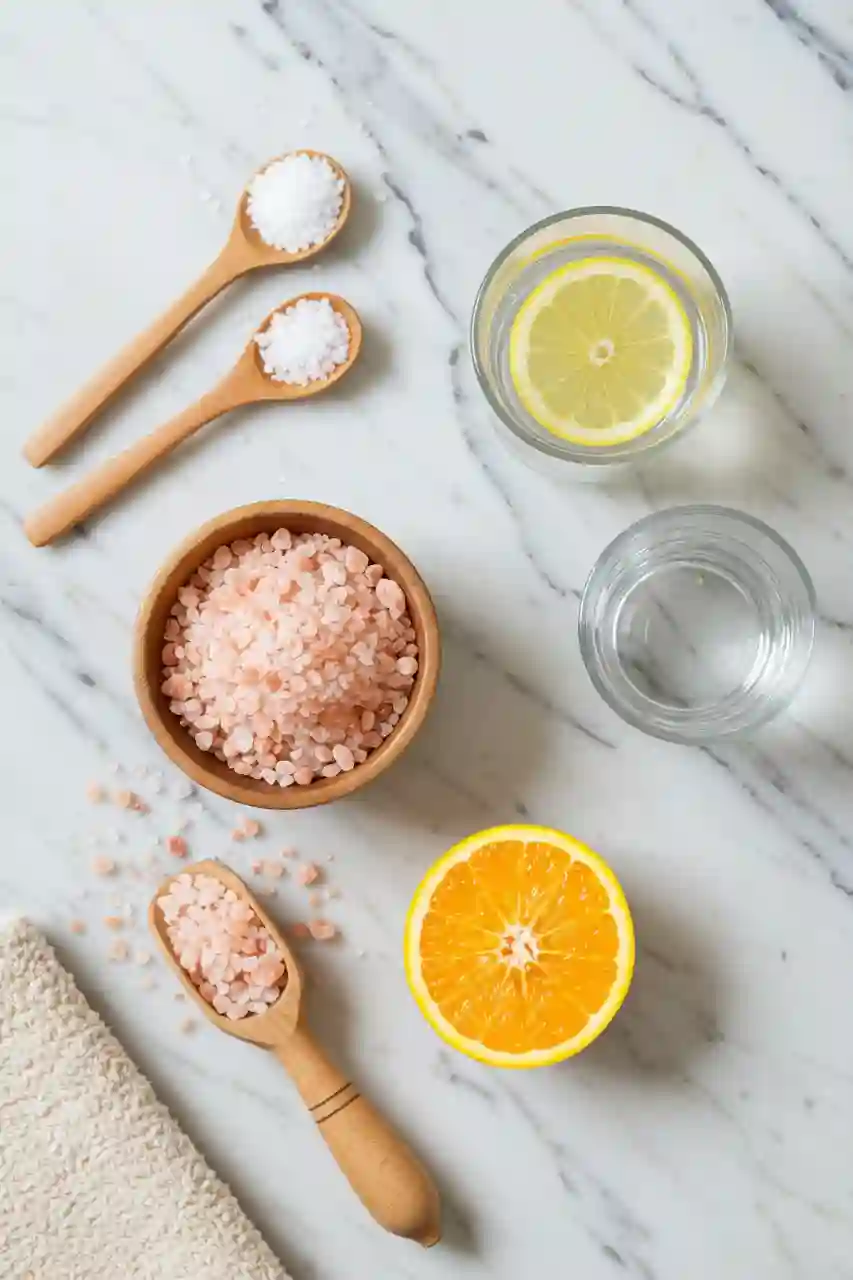
Once the ingredients are clearly understood, this section brings them together in practical amounts for a single serving. The quantities below reflect the most commonly used version of the pink salt drink.
| Ingredients | Amount |
|---|---|
| Himalayan pink salt (fine-ground) | ¼ tsp |
| Warm filtered water (~120 °F / 49 °C) | 8 oz (240 ml) |
| Fresh lemon juice (about ½ lemon) | 1 tbsp |
Equipment Needed
| Equipment | Purpose |
|---|---|
| Heat-safe glass or mug (10–12 oz) | Holds the warm water safely without cracking |
| Measuring spoons | Ensures accurate salt and lemon quantities |
| Teaspoon or small whisk | Helps dissolve the salt evenly in water |
Estimated Cost
| Item | Approximate Cost per Serving |
|---|---|
| Himalayan pink salt (¼ tsp) | ~$0.05 |
| Fresh lemon (½ lemon) | ~$0.20 |
| Water | Negligible |
| Estimated total per serving | $0.25–$0.50 |
How to Make the Pink Salt Drink (Step-by-Step)
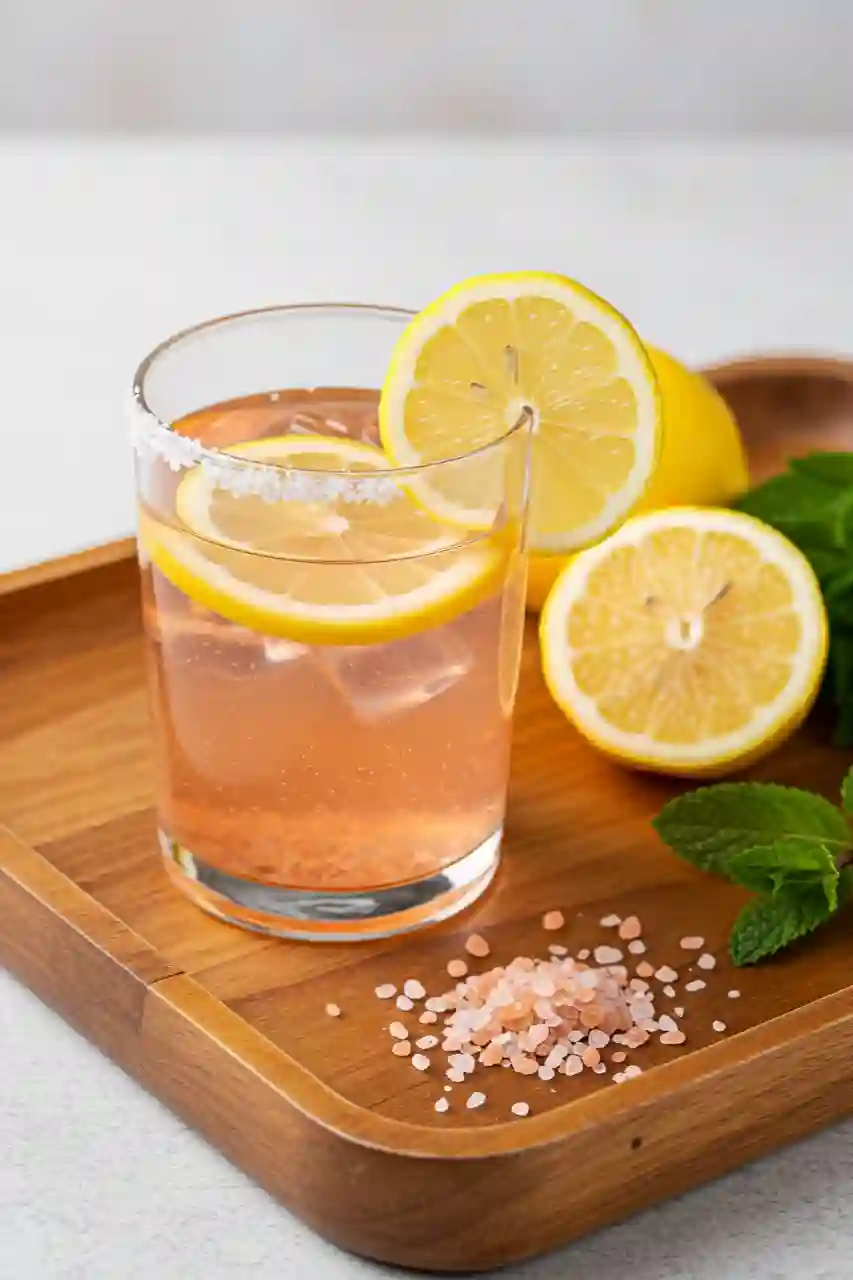
A quick wellness drink made with Himalayan pink salt, warm water, and lemon juice. Supports hydration and digestion in just 2 minutes.
Warm the Water
Pour 8 oz (240 ml) of warm filtered water into a heat-safe glass or mug. Aim for about 120 °F (49 °C), warm but not boiling.
Dissolve the Salt
Add ¼ teaspoon of fine-ground Himalayan pink salt. Stir with a spoon or small whisk until no crystals remain.
Add the Lemon
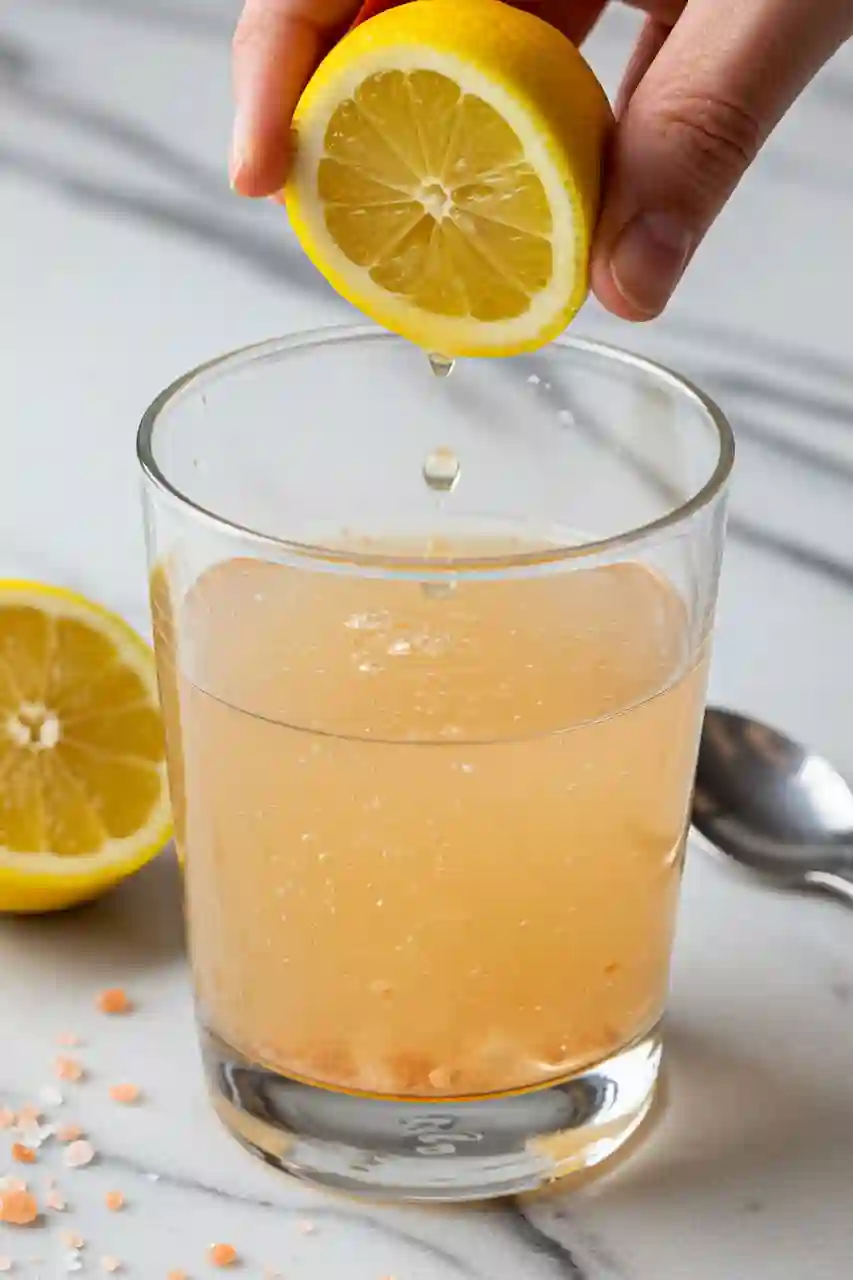
Mix in 1 tablespoon of freshly squeezed lemon juice. For extra flavor or health boosts, try a drizzle of raw honey or a pinch of cayenne.
Sip and Enjoy
Drink slowly over 2–3 minutes. For best results, wait at least 15 minutes before coffee or food to let the blend support digestion.
Practical tip
Using a wooden or silicone utensil for stirring is sometimes preferred, as some people notice a slight metallic taste when using stainless steel.
Safety note
Because this drink contains salt, moderation matters. Individuals managing sodium intake or specific health conditions should consider whether salted drinks fit their routine.
Estimated Cost: 0.50 USD
Supply:
- Himalayan pink salt (fine-ground)
- Warm filtered water
- Fresh lemon juice (optional)
- Raw honey or apple cider vinegar (optional)
Tools:
- Heat-safe glass or mug
- Measuring spoons
- Teaspoon or small whisk
Materials: Clean drinking water Fresh lemon Himalayan pink salt
PrintPink Salt Recipe Ingredients Proven Guide 2025
A simple wellness drink made with Himalayan pink salt, warm water, and lemon juice. Refreshing, mineral-rich, and perfect as a mindful morning ritual.
- Prep Time: 2 minutes
- Cook Time: 0 minutes
- Total Time: 2 minutes
- Yield: 1 serving 1x
- Category: Drink
- Method: Stirred
- Cuisine: Wellness / Functional Drink
- Diet: Vegetarian
Ingredients
- ¼ tsp Himalayan pink salt (fine-ground)
- 8 oz warm filtered water (240 ml) (~120 °F / 49 °C)
- 1 tbsp fresh lemon juice (about ½ lemon)
Instructions
- Pour the warm filtered water into a heat-safe glass or mug.
- Sprinkle in the Himalayan pink salt and stir until the crystals fully dissolve.
- Add the lemon juice and mix well. Optional: whisk in raw honey or a pinch of cayenne.
- Sip slowly over 2–3 minutes. For best results, wait at least 15 minutes before food or coffee.
Notes
- Use a wooden spoon for stirring to avoid metallic taste.
- Optional boosters include honey, cayenne, or ginger for extra flavor.
- Best enjoyed in the morning on an empty stomach.
- Consult a doctor before daily use if you have high blood pressure, kidney, or heart conditions.
Nutrition
- Serving Size: 1 glass (8 oz)
- Calories: 10 kcal
- Sugar: 1 g
- Sodium: 600 mg
- Fat: 0 g
- Saturated Fat: 0 g
- Unsaturated Fat: 0 g
- Trans Fat: 0 g
- Carbohydrates: 2 g
- Fiber: 0 g
- Protein: 0 g
- Cholesterol: 0 mg
FAQ – Pink Salt Recipe Ingredients
The answers below clarify what is actually used in the drink, how common versions differ, and how the ingredients are typically described across popular variations-without assumptions or claims.
What are the four ingredients in a pink salt trick?
A four-ingredient pink salt drink usually starts with water and Himalayan pink salt, then includes lemon juice and one additional optional ingredient. That last addition varies depending on the source and may be honey, apple cider vinegar, or another flavor enhancer. There is no single standard fourth ingredient, which is why lists differ across articles and videos.
How do you make pink salt at home?
Himalayan pink salt itself is a natural mineral salt that comes from mining, not home preparation. What people make at home is a pink salt drink by dissolving a small amount of the salt in water. Optional ingredients such as lemon juice can be added, but the salt remains the same purchased ingredient.
What are the three ingredients in the pink salt trick on TikTok?
The TikTok version usually combines water, Himalayan pink salt, and freshly squeezed lemon juice. This simplified combination is popular because it uses only three easily available ingredients. It’s often presented as a quick routine rather than a different recipe.
What is the main ingredient of pink salt?
The primary component of Himalayan pink salt is sodium chloride, the same compound found in other edible salts. Its pink color comes from naturally occurring trace minerals, which are present in small amounts and do not change the salt’s basic composition.
Pink Salt Recipe Ingredients Summary
The pink salt recipe is defined by its ingredients, not by online claims. At its simplest, it relies on Himalayan pink salt and water, with optional additions like lemon or honey depending on the version. Variations shared on social media change the flavor or presentation, but they do not change the core ingredient makeup. Understanding this distinction helps separate the ingredient list from trends or interpretations built around it.
Recipe Update Notes
This page has been reviewed and updated to ensure the information reflects current usage of pink salt recipe ingredients. The structure now prioritizes ingredient clarity, followed by variations and preparation context, in line with user search intent. References were checked for accuracy, and unnecessary or unclear claims were removed. The ingredient list itself has not been altered.
Last updated: January 2026